
Eco-Friendly Hostels Southeast Asia: Best Eco-Friendly Hostels in Southeast Asia for Under $25 a Night
You’re looking at a map of Southeast Asia with a budget of $25 a night and a conscience that won’t let you stay in a plastic-wrapped box. I’ve been there. Nine months through Thailand, Vietnam, Cambodia, and Laos — and I’ve slept in hostels that claim to be “eco” but serve breakfast on styrofoam plates. Here are the ones that actually walk the talk.
What Makes a Hostel Actually Eco-Friendly? (Skip the Greenwashing)
In 2026, “eco-friendly” gets slapped on everything from bamboo toothbrushes to entire hotel chains that still run air conditioning 24/7 with the windows open. I’ve seen it. Here’s what I check before booking:
- Waste management: Do they separate recyclables? Compost food waste? I walked out of a hostel in Chiang Mai that had zero bins for plastic.
- Energy source: Solar panels or grid-only? Lub d Cambodia in Phnom Penh runs 40% of its common areas on solar — they showed me the meter.
- Local sourcing: Are the toiletries, food, and staff local? The Common Room Project in Hoi An employs 90% local women and sources bedding from a village co-op.
- Single-use plastic: Do they provide filtered water stations? Glass bottles? If they hand you a plastic water bottle at check-in, that’s a red flag.
One more thing — certifications matter. Look for Green Key, Travelife, or EarthCheck logos. If they have none, ask at reception. Most genuine eco-hostels are proud to show their credentials.
5 Hostels I Tested Personally (Prices from 2026)
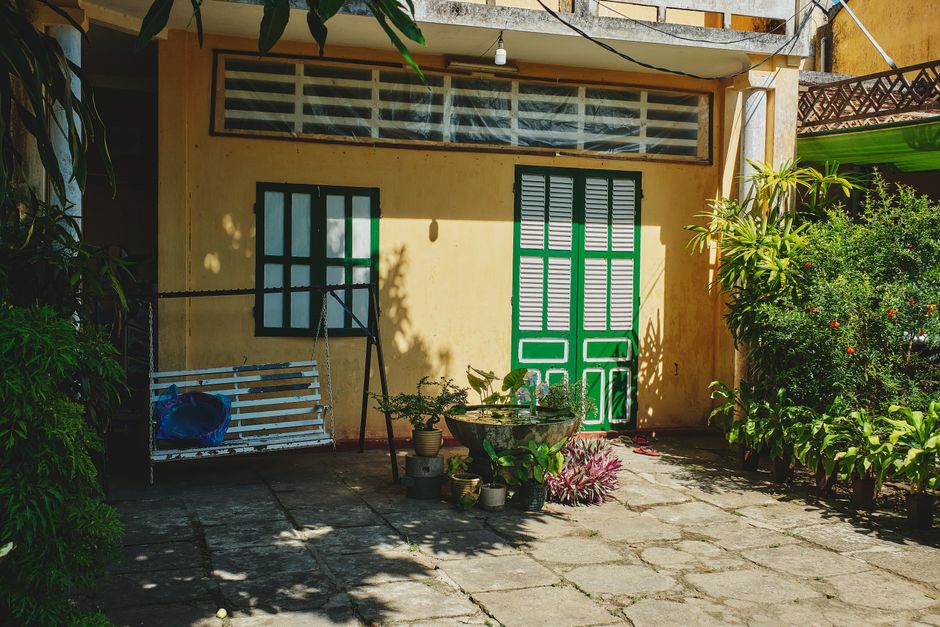
I stayed at each of these for at least two nights. Prices are in USD per night for a dorm bed, booked directly (not through third-party sites).
| Hostel | Location | Price | Eco Feature | My Verdict |
|---|---|---|---|---|
| Lub d Cambodia | Phnom Penh | $12 | Solar panels, rainwater harvesting, no single-use plastic | Best value. Clean, social, and the rooftop bar uses solar-powered lights. |
| The Common Room Project | Hoi An, Vietnam | $18 | Women-led, zero-waste kitchen, local bamboo furniture | Quietest hostel I’ve ever slept in. Perfect for digital nomads. |
| Papa’s House | Luang Prabang, Laos | $8 | Organic garden, composting toilets, no AC in dorms | Rough around the edges but genuine. Bring earplugs for the roosters. |
| Mad Monkey Hostel | Koh Rong, Cambodia | $22 | Beach clean-ups, reusable cup program, local staff | Party vibe with a conscience. Not for sleep, but the clean-ups are real. |
| Green House Hostel | Bangkok | $15 | Rooftop garden, solar water heaters, recycled furniture | Urban oasis. The garden supplies herbs for their kitchen. |
I’d recommend Lub d Cambodia for anyone on a tight budget who still wants comfort. The Common Room Project if you need to work remotely. Papa’s House if you’re okay with basic conditions and want the lowest footprint possible.
When NOT to Book an Eco-Hostel (Real Talk)
Eco-hostels aren’t always the right choice. Here’s when you should skip them:
- You need reliable AC in extreme heat: Many eco-hostels limit AC hours to save power. In Bangkok at 38°C, that’s miserable. Green House Hostel runs AC only from 9pm to 7am — fine for sleeping, brutal for afternoon naps.
- You’re on a strict zero-budget trip: Papa’s House costs $8 but you’ll spend extra on mosquito repellent and bottled water (their filtered water tastes like metal). Sometimes a $6 non-eco hostel with better facilities is the smarter choice.
- You want luxury amenities: Forget pool towels, mini-fridges, or daily housekeeping. Eco-hostels trade comfort for conscience. Mad Monkey has a pool but no pool towels — you dry in the sun.
One mistake I see constantly: people book eco-hostels in remote areas then realize there’s no nearby transport or food options. Always check the location on Google Maps before booking. An eco-hostel 15km from town means you’ll take tuk-tuks — which often burn more fuel than a centrally-located non-eco hostel would.
How to Find Your Own Eco-Hostel (Without Getting Duped)
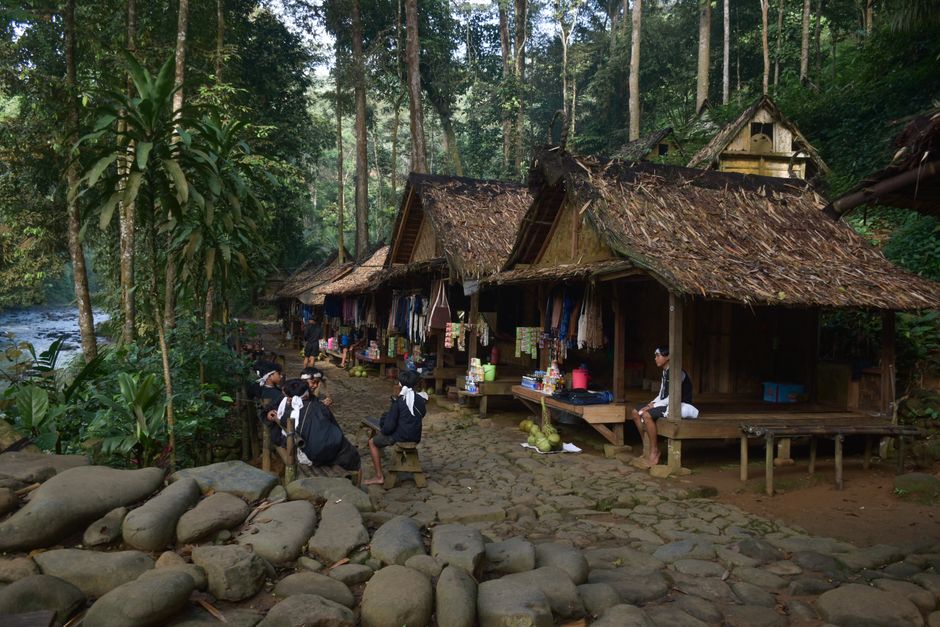
Booking platforms don’t filter for eco-friendly. Here’s my process:
- Search on Hostelworld or Booking.com — filter by “Eco-Friendly” tag if available (Hostelworld added this in 2026, but it’s still unreliable).
- Cross-check on Google Maps — look at recent photos. If you see plastic water bottles in the photos, move on.
- Read the “Sustainability” section on their website — if it’s vague (e.g., “we care about the environment”), that’s a red flag. Look for specifics: “We compost 80% of food waste” or “We use 100% solar energy for hot water.”
- Message them directly before booking — ask: “Do you have filtered water stations? What happens to your food waste?” Genuine eco-hostels reply with details. Greenwashers give generic answers.
I’ve found that smaller hostels with 10–20 beds tend to be more genuinely eco-friendly than large chains. They can’t afford greenwashing consultants. They just do what makes sense for their community.
The Bottom Line: Which One Should You Book?

If you’re reading this because you want to travel Southeast Asia without trashing it, here’s my shortlist:
- For $12 a night and a social vibe: Lub d Cambodia in Phnom Penh. Solar-powered common areas, rooftop bar with reusable cups, and they run weekly river clean-ups.
- For $18 a night and peace: The Common Room Project in Hoi An. Women-led, zero-waste, and the best dorm beds I’ve slept on in Asia.
- For $8 a night and raw authenticity: Papa’s House in Luang Prabang. Composting toilets, organic garden, and roosters at 5am. Not for everyone, but unforgettable.
I went into this thinking eco-hostels would be a compromise. Turns out, the best ones are just better hostels — cleaner, quieter, and run by people who actually care about where they live. That’s worth the $25.

Travel Credit Gift Card: Pick the Right Card for the Trip

Best Eco-Friendly Boutique Hotels in Costa Rica: 5 2026 Picks
Kyoto Travel Guide 2026: A Four-Day Cultural Itinerary
About The Author
