
Kyoto Travel Guide 2026: 4 Days of Real Culture
Kyoto has 17 UNESCO World Cultural Heritage sites, yet the fastest way to ruin a four-day visit is to treat the city like a checklist. The smart route follows Kyoto’s geography: east first, south second, west third, and the central districts last. That cuts backtracking and leaves room for quiet streets, proper meals, and the details that make Kyoto worth visiting.
This itinerary suits first-time visitors who want temples, gardens, tea, food, craft, and older neighborhoods without spending every hour in a traffic queue. It also works in 2026, when crowd control and respectful sightseeing matter more than ever.
Plan Kyoto by district, not by bucket list
The route logic
Kyoto is wider than many visitors expect. Kiyomizu-dera sits in the southeast, Fushimi Inari lies farther south, Arashiyama occupies the western edge, and the Imperial Palace, Nishiki Market, and Nijo-jo Castle sit closer to the center. Crossing the whole city twice in one day is a waste of time. Build each day around one district and walk between nearby sights.
Keep mornings for major temples. Their atmosphere is better before tour groups arrive, and some sites open early. Put food, shopping, gardens, and neighborhood walks after lunch. That rhythm gives the trip texture instead of four straight days of gates and stone paths.
Where to base yourself
For this itinerary, stay near Kyoto Station, Shijo-Karasuma, or Sanjo. Kyoto Station wins for rail access and luggage handling. Shijo-Karasuma wins for restaurants and central evening walks. Sanjo gives the best balance of Gion, the Kamo River, Nishiki, and easy train connections. Do not stay in Arashiyama for a first visit unless you specifically want quiet nights; it is beautiful, but inconvenient for the southern and central sights.
Book a room with luggage storage before arrival. Kyoto’s narrow streets become miserable when you drag a large suitcase through them. The best planning decision is simple: sleep centrally, start early, and move once per day.
Day 1: Start at Kiyomizu-dera before 8 a.m.
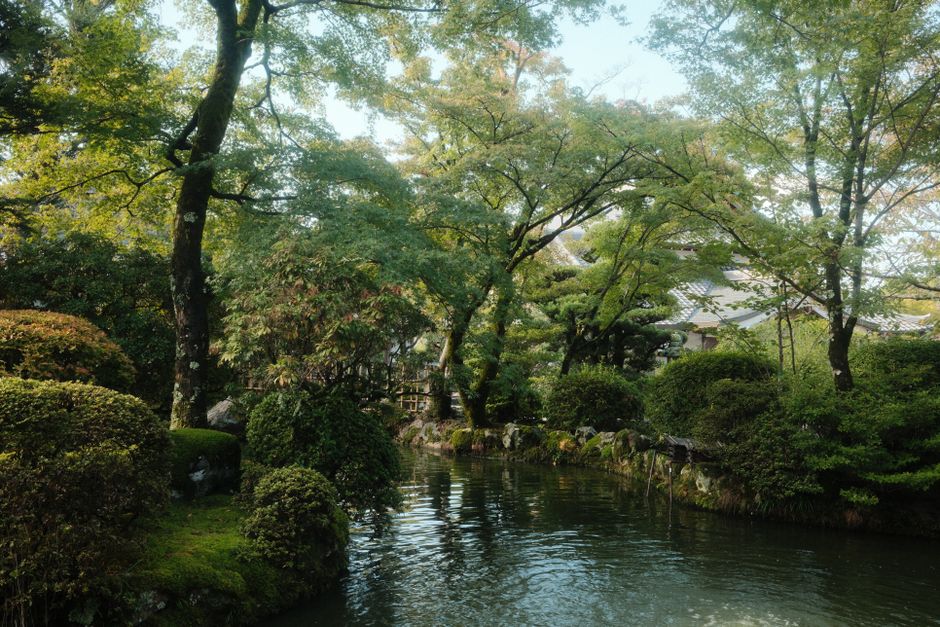
Morning: Kiyomizu-dera and the hillside lanes
Start at Kiyomizu-dera at opening time. The temple opens at 6:00 a.m., although seasonal closing times and special night openings change, so check the official 2026 visitor schedule before you go. Arrive early, walk through the main hall, and look across the wooden stage toward the eastern hills. The view matters, but so does the temple’s relationship with the spring and the mountain below.
Afterward, walk downhill through Ninenzaka and Sannenzaka. Take your time with ceramics, incense, sweets, and small craft shops. Avoid treating these lanes as a photo set. They are working streets with private homes, not a theme park.
Afternoon: Kennin-ji, Yasaka Shrine, and Gion
Have lunch before the crowds peak, then continue west to Kennin-ji. Its painted screens, raked gardens, and broad tatami rooms provide a calmer counterpoint to Kiyomizu-dera. From there, walk to Yasaka Shrine and enter Gion from the shrine side.
Use two practical rules. First, wear shoes you can remove easily because temple interiors may require it. Second, carry a small amount of cash for temple admission, small eateries, and local purchases. Kyoto’s main attractions accept modern payments, but every side street does not.
Evening verdict
End beside the Kamo River or in Pontocho. Skip the temptation to hunt for a geiko or maiko. Kyoto’s official guidance asks visitors not to follow, touch, or photograph them without permission. For culture lovers, this first day is the strongest opening because it combines architecture, religion, neighborhood life, and a proper evening walk without crossing the city.
Day 2: Pair Fushimi Inari with Kyoto’s sake quarter
Morning: Fushimi Inari Taisha
Take the JR Nara Line from Kyoto Station to Inari Station. The ride takes about nine minutes, and the large torii at the station exit puts you directly at the shrine approach. Kyoto’s official Fushimi Inari access advice recommends the train because bus times can vary sharply in traffic.
Walk beyond the first gates. The lower shrine is busy, but the trail becomes quieter as it climbs through the mountain. You do not need to complete the entire loop. Reach at least Yotsutsuji for a city view, then descend when the heat, humidity, or crowds start to work against you. Give yourself two to three hours, not a rushed forty-minute photo stop.
Afternoon: Tofuku-ji and Fushimi’s brewing history
Walk or take one stop to Tofukuji. Its bridges, moss, and large temple grounds are especially rewarding during foliage season, but the layout still works outside autumn. Keep the visit focused; Kyoto rewards attention more than speed.
Continue to central Fushimi for canals, old shopfronts, and sake history. The district has more than 20 breweries, and the Gekkeikan Okura Sake Museum is the obvious paid stop for visitors who want context. Check its current opening days before setting out, since museum hours can change.
What to eat
Choose a simple lunch around Fushimi rather than returning to Kyoto Station. Look for seasonal vegetables, grilled fish, udon, or a small sake pairing. The point of this day is not collecting shrines. It is understanding how mountain water, rice, transport, and brewing shaped southern Kyoto.
Verdict: this is the best day for travelers who want a cultural story instead of another famous viewpoint. Fushimi Inari supplies the visual drama; Fushimi supplies the local history.
Day 3: See Arashiyama beyond the bamboo grove
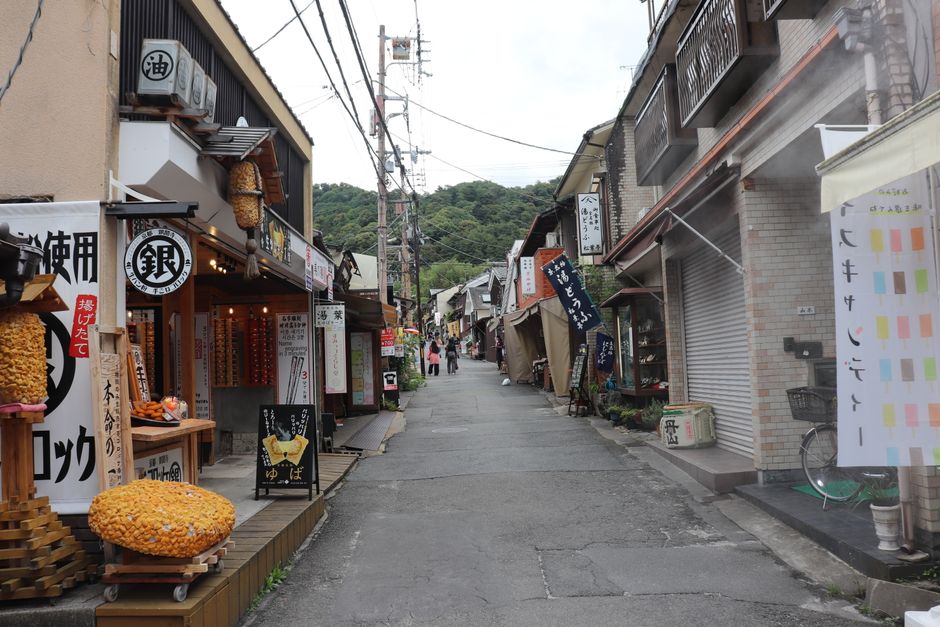
Morning route
Take the JR Sagano Line from Kyoto Station to Saga-Arashiyama. The ride takes roughly 11 minutes before walking time. Go first to Tenryu-ji, then enter the bamboo grove from the temple side. This order matters. The grove is most crowded after breakfast, and arriving late turns a serene path into a slow-moving queue.
Do not spend the whole morning inside the bamboo. It is short. Walk toward Okochi Sanso Garden, where the paths, tea stop, and hillside views offer more substance. The entrance costs more than a quick photo stop, but it gives the district a stronger sense of place.
Choose your second anchor
| Choice | Best for | Time needed | Verdict |
|---|---|---|---|
| Gio-ji | Moss, quiet paths, intimate scale | 45–60 minutes | Best for garden lovers |
| Daikaku-ji | Imperial history, pond scenery, spacious grounds | 90 minutes | Best for serious culture |
| Hozugawa riverside walk | Open views and a slower afternoon | 60–90 minutes | Best when temples feel repetitive |
Pick one. Adding all three creates a tiring day with shallow visits. Have lunch away from the immediate station area if possible; prices rise and seats disappear around the central tourist strip. A short walk toward Saga usually improves the meal.
Evening decision
Return by train before the evening rush. The Randen 1-Day Free Ticket costs ¥700 when a full day of tram travel suits your route, but it is not automatically better than paying individual fares. Use it for several Randen journeys or choose the JR train for the fastest return. Verdict: Arashiyama wins when you treat it as a landscape and temple district, not a bamboo selfie location.
Day 4: Finish with central Kyoto’s living culture
Is Nijo-jo Castle worth the morning?
Yes. Nijo-jo Castle is the right final-day anchor because it explains political power, craftsmanship, and controlled movement inside a historic residence. Walk through the Ninomaru Palace and listen for the famous nightingale floors, then give yourself time in the gardens. Check the current admission and opening details before leaving your hotel; Kyoto attractions adjust hours for events and maintenance.
Should you choose Nishiki Market or the Imperial Palace?
Choose both, but do not confuse their roles. The Kyoto Imperial Palace gives you scale, ceremony, and broad landscaped space. Nishiki Market gives you food culture and crowded commercial energy. Visit the palace first, then walk or take local transport toward Nishiki for lunch. Do not block the narrow market lane while eating, and do not photograph stall workers without permission.
What makes the final evening memorable?
Reserve a tea ceremony, craft workshop, or small traditional performance for the evening. A short experience with an informed host beats another anonymous restaurant reservation. For transport, the Kyoto City Subway & Bus 1-Day Pass costs ¥1,100 for adults and covers the subway, city buses, and selected partner services, but some routes are excluded. Buy it only on a day with several covered rides. An ICOCA IC card is simpler for light travel and avoids unused pass value.
Verdict: central Kyoto is the best ending because it connects the grand history of the city with food, craft, and current daily life. That is a stronger final memory than squeezing in one more distant temple.
How to avoid Kyoto’s worst crowd and etiquette problems
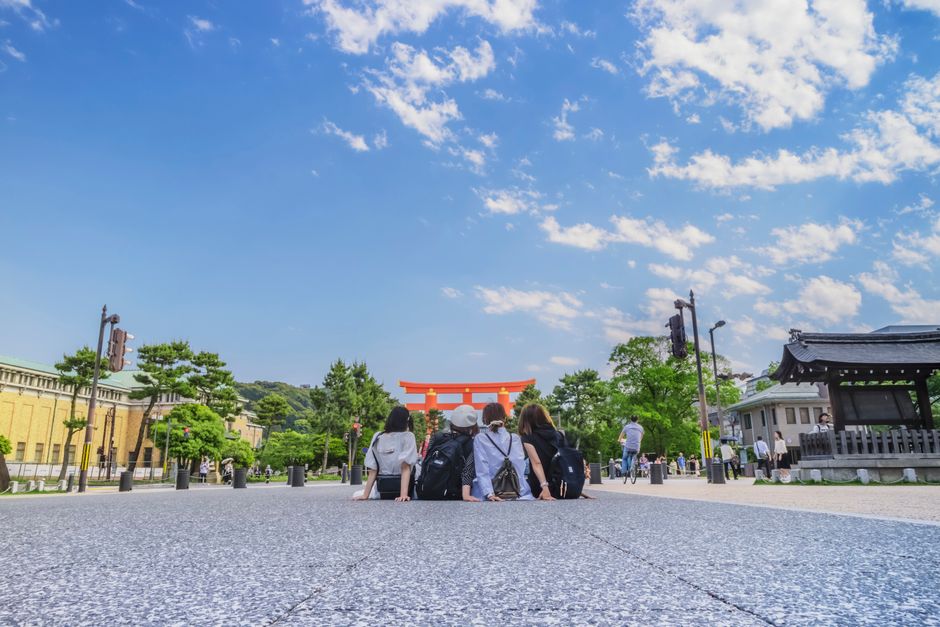
Move before the city fills
Leave your hotel by 6:30 or 7:00 a.m. for Kiyomizu-dera, Fushimi Inari, and Arashiyama. The first hour changes the experience more than a premium ticket. Use trains for long cross-city moves, walk between nearby sights, and reserve buses for the gaps that trains cannot cover. Kyoto’s two subway lines do not reach every major temple, so perfect rail-only travel is impossible; smart travel means combining modes without making the bus your default.
Respect streets, homes, and sacred spaces
Keep luggage out of busy lanes, stand to one side on narrow paths, and follow signs about photography. Never enter a private alley because it looks picturesque. Never touch shrine objects, ring bells repeatedly, or treat bamboo as a writing surface. Kyoto’s 2026 guidance warns that carving bamboo can count as property damage and may bring penalties of up to ¥300,000. Use authorized taxis with green license plates or official ride-hailing apps. These rules are not decorative advice; they prevent the exact behavior that makes residents resent tourism.
Verdict: early starts and small acts of restraint will improve your trip more than any luxury upgrade. Kyoto feels generous when visitors stop acting entitled to every view.
Seven mistakes that waste a four-day Kyoto trip
The mistakes to cut immediately
- Trying to visit Kinkaku-ji, Fushimi Inari, and Arashiyama on one day.
- Relying on city buses for every journey during peak traffic.
- Arriving at major temples after 10:00 a.m. and blaming the city for crowds.
- Booking a distant hotel because the room is cheaper, then losing hours in transfers.
- Planning every meal around Nishiki Market or Gion and missing ordinary neighborhood restaurants.
- Assuming a rail pass saves money without counting actual rides.
- Leaving luggage beside a temple entrance or dragging it through a packed market.
Which transport choice wins?
Use the Tokaido Shinkansen Nozomi for the Tokyo–Kyoto journey; the trip takes about 130 minutes. Inside Kyoto, use an ICOCA card for flexible one-off rides. Choose the ¥1,100 Subway & Bus 1-Day Pass when you will make several covered journeys in one day. Choose the ¥700 Randen pass only for a genuine tram-heavy Arashiyama route. The right ticket follows the itinerary, not the other way around.
Final comparison
| Day | Main area | Best start | Best for |
|---|---|---|---|
| 1 | Higashiyama and Gion | 6:00–7:30 a.m. | Historic streets and temple atmosphere |
| 2 | Fushimi and Tofuku-ji | 7:00 a.m. | Shrine history, sake, and local texture |
| 3 | Arashiyama | 7:30 a.m. | Gardens, bamboo, and western Kyoto |
| 4 | Central Kyoto | 8:30 a.m. | Palaces, markets, craft, and food |
About The Author
