
Solo Female Travel Southeast Asia: Solo Female Travel in Southeast Asia: Your 2026 Safety & Route Guide
The biggest myth about solo female travel in Southeast Asia is that you need to be fearless. You don’t. You just need a system for making smart calls when jet lag hits and your phone battery is at 12%. I spent 14 months traveling through Thailand, Vietnam, Laos, and Cambodia alone, and the difference between a great trip and a stressful one came down to three things: route timing, accommodation strategy, and knowing exactly how to handle the sketchy moments before they happen.
This guide covers the practical side of going solo in 2026 — where the infrastructure has improved, where it hasn’t, and how to stack the odds in your favor. No sugar-coating. Just the stuff that actually matters.
Why 2026 Changes the Game for Solo Female Travelers
Southeast Asia in 2026 isn’t the same region it was five years ago. Three specific shifts make solo travel safer and easier right now.
First, digital infrastructure. Ride-hailing apps like Grab and Gojek now operate in nearly every mid-sized city across Thailand, Vietnam, Indonesia, and the Philippines. You can book a car from the airport in Chiang Mai for ฿180 ($5 USD) and track the entire route on your phone. No more haggling with tuktuk drivers at 11 PM.
Second, female-only dorms and hostels. Hostelworld data shows a 40% increase in female-only accommodation listings since 2026. Chains like Lub d (Bangkok, Phuket, Siem Reap) and Mad Monkey (Cambodia, Vietnam, Philippines) now offer dedicated female floors with keycard access and lockers big enough for a 40L backpack.
Third, real-time safety sharing. The Facebook group “Solo Female Travelers – Southeast Asia” has 280,000 active members. You can post “Anyone in Hoi An right now?” and get three replies within 10 minutes. This network didn’t exist at scale five years ago.
The trade-off? Overtourism in hotspots like Bali, Chiang Mai, and Hanoi means you need to book accommodation at least two weeks ahead during peak season (November to February). Last-minute walk-ins in 2026 often mean paying double or sleeping in a mixed dorm with no AC.
The 3 Most Common Mistakes Solo Women Make (and How to Avoid Them)
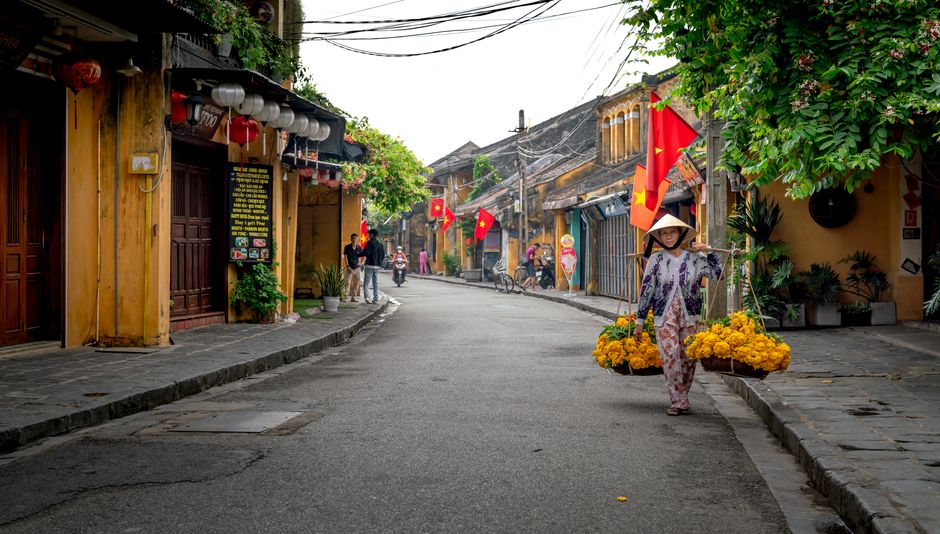
These aren’t theoretical. I watched every single one happen to someone I met on the road.
Mistake 1: Arriving in Bangkok at midnight on your first day
You land at Suvarnabhumi Airport at 11 PM after a 12-hour flight. You’re exhausted. A taxi driver quotes you ฿600 ($17) for a ride to Khao San Road. You take it. He takes the “scenic route” and asks for another ฿200 at the end. This happens constantly.
Fix it: Book a hotel near the airport for your first night. The Novotel Suvarnabhumi Airport has rooms from $65 and a free shuttle. Sleep 8 hours. Start fresh at 8 AM. Your decision-making at midnight after travel is terrible — don’t trust it with your safety.
Mistake 2: Trusting Google Maps walking directions after dark
Google Maps doesn’t know which streets in Hanoi’s Old Quarter have no streetlights. It doesn’t know that the alley behind your hostel in Phnom Penh is a known spot for bag snatchings. I learned this the hard way in Luang Prabang when Maps sent me down a dark dirt path with dogs barking at me from both sides.
Fix it: Use Grab or Gojek for any trip after 8 PM, even if it’s 500 meters. The average ride costs $2. Not worth the risk.
Mistake 3: Telling everyone your exact itinerary
In hostels, people ask “Where are you going next?” It’s friendly. But if you say “I’m catching the 7 AM bus to Chiang Rai tomorrow and staying at Baan Bua Homestay,” that information is now public. Someone could follow you.
Fix it: Say “I haven’t decided yet” or “I’m thinking about heading north at some point.” Keep the specifics for your WhatsApp chat with your friend back home. Share your live location with one trusted person for the entire trip.
Your 4-Week Solo Route: Thailand, Vietnam, and Cambodia
This route prioritizes safety, reliable transport, and places where solo women are common enough that you won’t feel like the only one.
| Week | Location | Base | Key Safety Note |
|---|---|---|---|
| 1 | Bangkok → Chiang Mai | Lub d Siam (female floor, $18/night) | Use Grab from airport. Skip Khao San Road after midnight alone. |
| 2 | Chiang Mai → Pai | Pai Circus Hostel (female dorm, $10/night) | The 762 curves road is intense. Take a motion sickness pill before the minibus. |
| 3 | Hanoi → Ha Giang Loop | Hanoi Old Quarter Hostel (female floor, $12/night) | Book the Ha Giang Loop through a reputable operator (Jasmine Tours, $150 for 4 days). Avoid the $80 budget options — they skip safety briefings. |
| 4 | Siem Reap (Angkor Wat) | Mad Monkey Siem Reap (female dorm, $14/night) | Hire a female tuk-tuk driver through the hostel. The standard price for a full Angkor day is $15. |
Total accommodation cost: roughly $378 for 28 nights. Add $20-30 per day for food, transport, and entry fees. Budget around $1,200-$1,500 for the month excluding flights.
Packing for Safety and Practicality
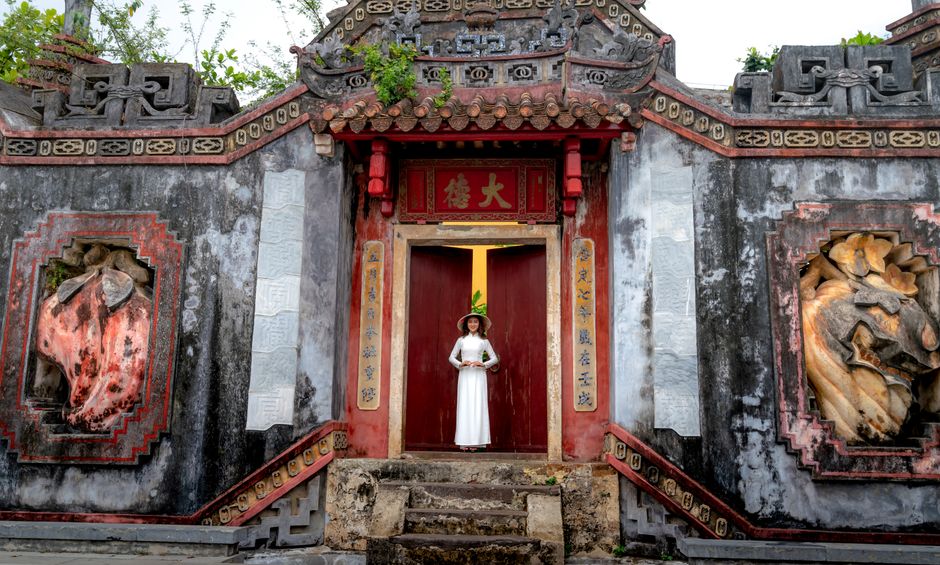
Forget the “pack light” advice that leaves you without basic safety tools. Here’s what I actually used every day.
- A portable door lock — The Addalock ($15, fits most hotel doors). Slips under the handle and jams it from opening. Used it in 8 out of 14 hostels and guesthouses.
- A power bank with at least 20,000mAh — The Anker PowerCore 20100 ($45). Charges a phone 4-5 times. You will lose your phone battery on long bus rides and overnight trains. This is non-negotiable.
- A cross-body bag with RFID blocking — The Travelon Anti-Theft Crossbody ($50). Has a slash-proof strap and locking zippers. Pickpocketing in crowded markets (Bangkok’s Chatuchak, Hanoi’s Night Market) is common. This bag stops 90% of it.
- A sarong — Costs $3 at any market. Doubles as a towel, a blanket on cold buses, a cover-up for temples, and a privacy curtain in hostel dorms.
- A printed copy of your passport and visa — Keep it separate from the real one. If your bag gets stolen, you still have proof of identity for the embassy. I kept mine in a ziplock bag taped to the inside of my backpack’s top flap.
When NOT to Trust Hostel Staff or Other Travelers
This is the uncomfortable part that most guides skip. The vast majority of people you meet in Southeast Asia are kind and helpful. But the solo female traveler is a target for two specific types of bad actors.
Type 1: The hostel employee who offers to “show you around”
It starts with “I get off at 6 PM, want me to take you to a local food spot?” It sounds innocent. But you’re in a country where you don’t speak the language, and this person knows exactly where you sleep. If it feels off, it is off. Say “No thanks, I’m meeting a friend” and walk away. Report them to management if they persist.
Type 2: The charming solo male traveler who wants to travel together
You meet a guy at your hostel in Chiang Mai. He’s friendly, well-traveled, and suggests you both go to Pai together. This is how women end up in situations where they’re isolated from their network in a remote town with someone they’ve known for 48 hours. Travel with people you trust, not people you just met.
The rule I followed: I only traveled with other women I met in female-only dorms or through the Facebook group. I never shared my exact accommodation plans with anyone I hadn’t known for at least a week.
Digital Safety: SIM Cards, VPNs, and Scams
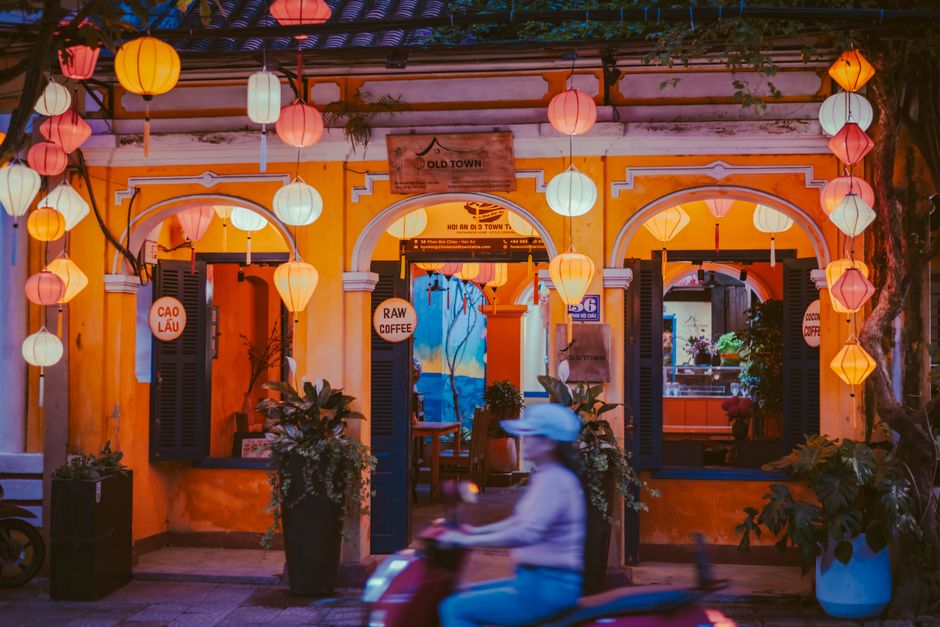
Your phone is your lifeline. Protect it.
Get a local SIM at the airport. In Thailand, AIS offers a 30-day tourist SIM with 15GB of data for ฿299 ($8). In Vietnam, Viettel has a similar plan for 100,000 VND ($4). Do not rely on airport Wi-Fi — it’s slow and unsecured.
Use a VPN on public networks. Hostel Wi-Fi is notoriously insecure. Someone on the same network can intercept your login credentials for banking or social media. ProtonVPN has a free tier with no data limit. Install it before you leave.
The ATM scam to watch for: In Cambodia and Vietnam, some ATMs charge a 4-5% “conversion fee” if you accept the offered exchange rate. Always decline the conversion and let your bank handle it. You’ll save $3-5 per withdrawal. Use ATMs attached to actual bank branches (ACLEDA in Cambodia, Vietcombank in Vietnam), not standalone machines in convenience stores.
The Verdict: Is Solo Female Travel in Southeast Asia Worth It in 2026?
Yes — but only if you’re honest about your own risk tolerance. If you’re the type of person who feels anxious walking alone at night in your own city, Southeast Asia isn’t going to magically fix that. The crowds, the language barriers, and the unfamiliar traffic patterns will amplify it.
But if you’re willing to spend the first two days getting comfortable in one city before moving on, if you can say “no” firmly without feeling rude, and if you’re okay with spending $2 on a Grab instead of walking to save money — then this is the best time in history to do it. The infrastructure is better than ever. The community is massive. And the experience of navigating a foreign country entirely on your own terms is something you’ll carry with you long after you’ve unpacked your bag.
Start with Bangkok. Book the female dorm at Lub d Siam. Give yourself 48 hours to adjust. Then go north.

Eco-Friendly Hostels Southeast Asia: Best Eco-Friendly Hostels in Southeast Asia for Under $25 a Night

Family Vacation Year: Pick the Right 2026 Dates

Best Eco-Friendly Boutique Hotels in Costa Rica: 5 2026 Picks
About The Author
