
Wine Bars in London
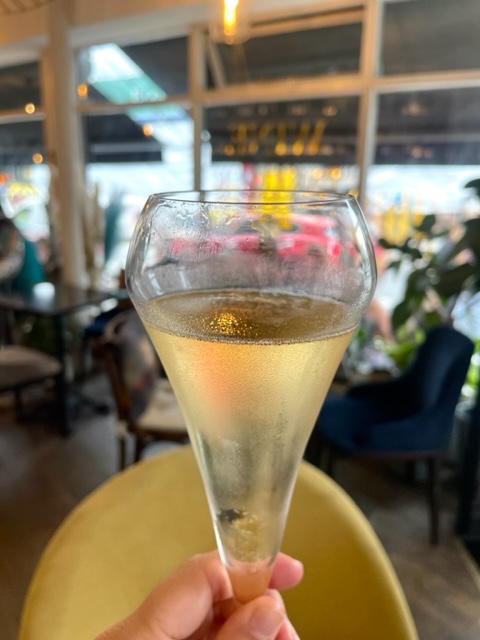
Many people assume London’s wine bar scene is reserved for serious connoisseurs or those with an unlimited budget. This is a common misconception. The truth is, London offers an incredibly diverse range of wine experiences, from historic cellars to avant-garde natural wine spots. You don’t need to be a sommelier to enjoy them. Understanding a few key aspects, and avoiding some easy errors, will open up this world for everyone.
London Wine Bars Are Not Just For Experts
Forget the idea that you need to decode complex tasting notes or understand obscure regions to feel welcome. London’s wine bars increasingly focus on approachability. Their aim is to share passion, not to test knowledge. Many establishments actively encourage exploration, offering wines by the glass that span various styles and price points. The best places foster a relaxed atmosphere, perfect for casual enjoyment or deeper dives.
Demystifying the Wine List
A long wine list can feel intimidating. However, most modern London wine bars structure their lists logically. They often categorize by grape varietal, region, or even by flavor profile (e.g., ‘Aromatic Whites,’ ‘Bold Reds’). Don’t hesitate to ask for help. Staff are trained to guide you, not judge you. Start by stating your preferences: do you like crisp whites or full-bodied reds? Are you looking for something fruity or earthy? This simple communication unlocks the list.
Finding Your Flavor Profile
The easiest way to discover what you like is to try. Many bars offer wine flights, which are small pours of several different wines, usually themed. This lets you sample without committing to a full glass. Consider attending a casual tasting event; many bars host them weekly. These events often highlight new arrivals or specific regions, providing context and an opportunity to learn in a low-pressure environment. Focus on what tastes good to you, not on what you ‘should’ like.
Common Pitfalls When Choosing a Wine Bar
- Sticking to Familiar Regions Only: It’s easy to gravitate towards a Bordeaux or a Marlborough Sauvignon Blanc. However, London’s wine bars excel at showcasing lesser-known regions and varietals. You might miss out on incredible value and unique flavors from places like Sicily, Slovenia, or the Jura. Be open to recommendations outside your comfort zone.
- Ignoring the Staff’s Expertise: A good sommelier or wine server is an invaluable resource. They taste constantly and understand the nuances of their list. Dismissing their suggestions in favor of a recognizable label often means you’re not getting the full value of the experience. Ask questions, describe what you like, and trust their guidance.
- Failing to Check Food Offerings: Some wine bars are purely about the drink. Others are full-fledged restaurants with exceptional wine programs. If you’re planning a meal, ensure the bar offers substantial food. Conversely, if you just want a quick glass, a place focused on elaborate dining might feel overly formal or expensive for your needs.
- Not Considering the Vibe: London’s wine bars range from bustling and energetic to intimate and quiet. Check photos or reviews to get a sense of the atmosphere. Showing up to a loud, vibrant spot expecting a romantic, hushed evening can lead to disappointment.
What Makes a Great London Wine Bar Experience?
A truly exceptional wine bar in London balances several key elements. It’s more than just a place to drink wine; it’s an environment crafted for discovery and enjoyment. The best bars understand that every guest, regardless of their wine knowledge, deserves a memorable visit. They focus on quality, service, and atmosphere, creating a holistic experience.
Ambiance and Atmosphere
The setting plays a huge role. Is it a dimly lit, cozy cellar perfect for intimate conversations, like Gordon’s Wine Bar? Or a bright, modern space with communal tables, ideal for lively group gatherings, such as Sager + Wilde? The best bars match their atmosphere to their clientele and wine style. Good lighting, comfortable seating, and a fitting soundtrack contribute significantly. A bustling bar can be fantastic if it’s what you’re looking for, but a quiet, refined space is necessary for a different kind of evening. Consider whether the music is too loud or if tables are too close together. These details matter for comfort and conversation.
The Importance of the Sommelier
A knowledgeable and approachable sommelier is a cornerstone of any great wine bar. They are not just order-takers; they are guides. A skilled sommelier can translate complex wine jargon into understandable terms, recommend unexpected pairings, and introduce you to wines you might never have discovered on your own. They can pinpoint wines that align with your taste preferences and budget. Look for staff who are enthusiastic, patient, and genuinely interested in helping you find the right bottle or glass, rather than pushing the most expensive option. The best sommeliers elevate the experience without making it feel pretentious.
Wine List Diversity and Value
A truly great wine list isn’t just long; it’s thoughtfully curated. It should offer a range of styles, regions, and price points. You want options from classic Old World producers alongside exciting New World finds. Natural wines, organic wines, and biodynamic options are increasingly important for many. Value isn’t just about cheap wine; it’s about the quality-to-price ratio. A £15 glass of an exceptional, rare wine can be better value than a £9 glass of something mediocre. Look for a strong ‘by the glass’ selection, allowing for experimentation. Bars that frequently update their list, or offer unique ‘bin ends’ or special pours, demonstrate a commitment to discovery. For instance, Noble Rot consistently features an outstanding, ever-evolving list with both established classics and new, exciting labels, often with excellent markups for the quality.
London’s Wine Bar Landscape: A Comparison
London’s wine bar scene is not monolithic. Different establishments cater to varied tastes and occasions. Knowing these distinctions helps you pick the right spot.
| Bar Type | Vibe & Focus | Typical Clientele | Price Range (per glass) | Example Bar |
|---|---|---|---|---|
| Classic & Historic | Timeless, traditional, often cellar-like; emphasis on established regions. | Tourists, history buffs, those seeking a traditional experience. | £8 – £18 | Gordon’s Wine Bar |
| Modern & Bistro-Style | Contemporary design, often with a strong food menu; focus on balanced wine lists. | Foodies, couples, after-work drinks. | £9 – £22 | Noble Rot |
| Natural Wine Focused | Casual, often minimalist, sometimes quirky; emphasis on low-intervention wines. | Younger crowd, adventurous drinkers, industry professionals. | £7 – £16 | P. Franco, Sager + Wilde |
| Wine Shop Hybrid | Retail space with tasting options; extensive bottle selection for on-site or takeaway. | Serious collectors, budget-conscious drinkers, those wanting to buy bottles. | £6 – £15 (on-site corkage often applies) | The Sampler Wine Merchant |
| High-End & Exclusive | Luxurious, sophisticated; curated list of rare and expensive wines, often in Mayfair/St James’s. | Business meetings, special occasions, affluent clientele. | £15 – £50+ | Hedonism Wines (tasting room) |
This table illustrates the breadth of options available. Each type offers a distinct experience, from a relaxed glass after work to a full culinary journey paired with rare vintages.
Our Top Picks for Distinct Experiences
Choosing the ‘best’ wine bar is subjective. Instead, we’ve identified clear winners for specific use cases in London. These recommendations are based on consistent quality, unique offerings, and exceptional service.
For Classic Charm: Gordon’s Wine Bar
For an iconic London experience, Gordon’s Wine Bar remains unmatched. Tucked away near Embankment, it’s London’s oldest wine bar, established in 1890. Expect a bustling atmosphere, candlelight, and a unique cave-like cellar setting. Their focus is on traditional wines, often served straight from the barrel. The food menu is simple: cheese boards and charcuterie. It’s perfect for a lively, historic evening. Go early to secure a table, especially in the atmospheric cellars.
For Natural Wine Exploration: P. Franco
If natural wine is your interest, P. Franco in Clapton is the current gold standard. This small, unassuming spot doubles as a wine shop and a bar. They champion low-intervention wines from small producers, with a constantly rotating selection poured by knowledgeable staff who are passionate about the category. The food is equally impressive, often featuring a resident chef creating inventive small plates designed to complement the wines. It’s a relaxed, educational, and delicious experience.
For Serious Food and Wine: Noble Rot
Noble Rot, with locations in Bloomsbury and Soho, is the undisputed champion for those seeking a restaurant-quality meal alongside a world-class wine list. Their wine director, Mark Andrew MW, has curated a list that is both adventurous and impeccable, with a strong emphasis on Burgundy, Bordeaux, and exceptional value finds. The food is refined British and European cuisine, perfectly designed for wine pairing. Expect top-tier service and an elegant, yet unpretentious, dining atmosphere. It’s an investment, but one that consistently delivers.
Navigating Price: Budget-Friendly to Indulgent
What Defines a “Budget-Friendly” Wine Bar in London?
A budget-friendly wine bar in London typically means finding quality wines by the glass for under £10-£12. These establishments often have a more casual setting, sometimes offering a simpler food menu like cheese and charcuterie. They might focus on lesser-known regions to keep costs down while maintaining quality. Places like The Sampler Wine Merchant (with its tasting machines) or local neighborhood gems often fit this bill, allowing you to try several wines without a huge outlay. Look for happy hour deals or special ‘carafe’ options.
Where Can I Indulge Without Breaking the Bank Completely?
If you want a step up in ambiance and wine selection without venturing into truly exorbitant prices, consider places like Sager + Wilde in Hackney or Covent Garden. They offer a strong selection of interesting wines by the glass, often in the £10-£15 range, in stylish settings. You get excellent service and a well-curated list without the premium associated with central London fine dining. Many bistros with good wine lists also strike this balance, offering a sophisticated experience at a manageable cost.
Are There Value Options in High-End Areas?
Yes, even in areas like Mayfair or St James’s, value can be found if you know where to look. Some high-end establishments offer a limited ‘Coravin’ selection (allowing them to pour expensive wines by the glass without opening the bottle) at a more accessible price point than a full bottle. Also, look for lunch deals or early evening specials. Sometimes, opting for an older, less fashionable vintage from a top producer can offer incredible quality for a fraction of the price of a younger, trendier counterpart. Always ask the sommelier for their ‘hidden gems’ or ‘under-the-radar’ recommendations; they often know where the true value lies.
The Future of London’s Wine Scene
London’s wine bar landscape continues its dynamic evolution. Expect to see an even greater focus on sustainable practices and biodynamic wines. Technology will likely integrate further, perhaps with more advanced wine preservation systems allowing for even more diverse ‘by the glass’ offerings. The trend towards approachable, educational experiences will only strengthen, making fine wine more accessible to everyone.



About The Author
