
Discover Latvia
Are you considering a trip to Latvia, perhaps wondering if it’s just Riga, or if there’s more to uncover in this Baltic gem? Many first-time visitors naturally gravitate toward the capital, and for good reason. Riga offers a compelling mix of Art Nouveau architecture, vibrant nightlife, and rich history. However, to truly discover Latvia means looking past the capital, into its dense forests, along its pristine coastline, and through its charming, smaller towns. The country holds distinct regions, each offering unique experiences, from medieval castles to modern art installations, all within relatively short distances.
Understanding these regional differences and practicalities makes a substantial difference to your travel experience. You can choose to immerse yourself in nature, delve into specific historical periods, or simply relax by the sea. This guide aims to provide a comprehensive look, acknowledging the trade-offs of various approaches, and pinpointing what makes Latvia a truly rewarding destination.
Riga vs. The Rest: Where to Focus Your Latvia Trip?
Choosing where to spend your time in Latvia often boils down to balancing urban exploration with natural escapes or historical immersion. Riga is undeniably the cultural and economic heart, bustling with museums, restaurants, and a lively atmosphere. It’s a fantastic starting point, but limiting your journey to Riga alone means missing out on the country’s broader appeal. The regions surrounding Riga, like Vidzeme with its national park, or the distant western coast of Kurzeme, offer entirely different perspectives.
For example, if you prioritize history and city life, Riga and its immediate surroundings are perfect. If you crave outdoor adventure, Gauja National Park in Vidzeme is essential. For a more relaxed, coastal vibe, the Kurzeme region provides tranquil beaches and charming fishing villages. Each area has its own rhythm and highlights. Planning a balanced itinerary often involves picking one or two main focus points outside the capital.
Riga’s Urban Charm
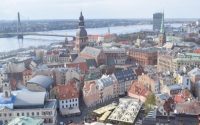
Riga offers an unparalleled urban experience in Latvia. Its Old Town, a UNESCO World Heritage site, is a labyrinth of cobblestone streets, Gothic churches, and medieval buildings. St. Peter’s Church provides panoramic city views. Beyond the Old Town, the Art Nouveau District on Alberta Street and Elizabeth Street showcases some of the finest examples of Art Nouveau architecture in Europe, attracting architecture enthusiasts worldwide. The city’s Central Market, housed in former Zeppelin hangars, is a bustling hub for local produce, crafts, and street food. Exploring Riga could easily fill three to four days, even a week if you delve into its many museums, like the Latvian National Museum of Art or the Museum of the Occupation of Latvia. Accommodation in Riga ranges widely, from budget hostels at €20-€30 per night to boutique hotels at €100-€150.
Gauja National Park’s Wilderness
Just an hour’s drive from Riga, Gauja National Park is Latvia’s largest national park, a haven for nature lovers. It’s often called the "Switzerland of Latvia" due to its rolling hills, deep valleys, and the winding Gauja River. Here, you’ll find Turaida Castle, a well-preserved medieval brick castle offering stunning views, and Sigulda, a town known for its bobsleigh track and adventure parks. Activities include hiking, cycling, canoeing, and even bungee jumping. During autumn, the park explodes with vibrant fall colors, making it particularly popular. Expect to spend at least two full days here to truly appreciate its offerings, with smaller guesthouses or campsites averaging €40-€70 per night.
Kurzeme Coast’s Tranquility
The Kurzeme region, particularly its Baltic Sea coast, provides a stark contrast to Riga’s urban energy. Liepāja, known as the "City of Wind," boasts a beautiful sandy beach, a fascinating former Soviet military town (Karosta), and a vibrant music scene. Kuldīga, further inland but still part of Kurzeme, is celebrated for its Ventas Rumba, Europe’s widest waterfall, and charming, well-preserved wooden architecture. This region is ideal for those seeking relaxation, long walks on the beach, and a slower pace of life. A day trip or an overnight stay in Liepāja or Kuldīga makes a relaxing addition to any trip, with accommodation in guesthouses often around €50-€90.
| Region Focus | Key Attractions | Vibe & Experience | Ideal For |
|---|---|---|---|
| Riga | Art Nouveau District, Old Town, Central Market | Bustling, cultural, historical, urban | First-time visitors, architecture buffs, city explorers |
| Gauja National Park (Vidzeme) | Turaida Castle, Sigulda, hiking trails | Active, nature-focused, historical, adventurous | Outdoor enthusiasts, history lovers, families |
| Kurzeme Coast (Liepāja, Kuldīga) | Beaches, Karosta, Ventas Rumba, wooden architecture | Relaxed, artistic, historical, natural beauty | Beach lovers, history buffs (Soviet era), those seeking tranquility |
Planning Your Visit: When Does Latvia Shine Brightest?
Choosing the right time to visit Latvia significantly impacts your experience, as the country experiences four distinct seasons. Each season presents its own unique advantages and trade-offs, from the endless daylight of summer to the quiet, snow-covered landscapes of winter. Your interests, whether they lean towards outdoor activities, cultural festivals, or simply avoiding crowds, should guide your decision.
Most travelers opt for the warmer months, roughly May through September, when the weather is mildest and daylight hours are longest. However, this also coincides with peak tourist season, meaning higher prices for accommodation and more crowded attractions, particularly in Riga. A deep dive into the specifics of each season reveals options for every type of traveler, demonstrating that Latvia has something to offer year-round.
Summer’s Long Days and Festivals
Summer, from June to August, is unequivocally Latvia’s most popular tourist season. Temperatures average around 20-25°C (68-77°F), and daylight can last for nearly 19 hours around the summer solstice. This is the ideal time for outdoor activities such as hiking in Gauja National Park, swimming in the Baltic Sea, or cycling through rural landscapes. The cities, especially Riga, come alive with street performers, outdoor cafes, and numerous festivals. The Jāņi (Midsummer) festival, celebrated on June 23rd and 24th, is a particularly significant and authentic cultural experience, involving bonfires, flower crowns, and traditional songs. However, this popularity comes with drawbacks: accommodation prices are at their highest, and major attractions can be quite busy. Booking well in advance, especially for Jāņi, is crucial to avoid disappointment. Expect to pay premium rates for city center hotels.
Winter’s Magical Grip
Winter, from December to February, transforms Latvia into a picturesque wonderland, especially for those who appreciate snow and quiet beauty. Temperatures often drop below freezing, sometimes reaching -10°C (14°F) or lower, with plenty of snowfall. Riga’s Old Town becomes particularly enchanting under a blanket of snow, and Christmas markets add a festive cheer. Winter sports like ice skating and cross-country skiing are popular, particularly in areas like Sigulda. The major advantage of winter travel is significantly lower tourist numbers, leading to more intimate experiences and potentially better deals on flights and accommodation. The main trade-off is the short daylight hours, with as little as 6-7 hours of light in December. Packing warm, waterproof clothing is non-negotiable for a comfortable winter visit. Hotels are generally 20-30% cheaper than in summer.
Shoulder Season Advantages
The shoulder seasons, April-May and September-October, offer a compelling balance. In spring, as the snow melts and nature reawakens, Latvia sees temperatures climbing to 10-15°C (50-59°F). Flowers bloom, and the countryside becomes green and vibrant. Autumn provides crisp air, fewer crowds than summer, and stunning fall foliage, especially in national parks like Gauja. Temperatures in autumn typically range from 8-15°C (46-59°F). These periods offer a sweet spot: decent weather for exploration, reasonable prices, and fewer tourists. You can enjoy the sights without the peak season rush, and still participate in many outdoor activities. This is often the recommended time for travelers seeking a good value experience without sacrificing too much on weather or accessibility. Flights and hotels during these months tend to be moderately priced, often 10-20% less than summer rates.
Navigating Latvia on a Budget: Realistic Spending Guides
Traveling through Latvia can be quite affordable compared to Western European destinations, but a realistic budget depends heavily on your travel style and preferences. Understanding typical costs for accommodation, food, and transportation helps you plan effectively. While specific prices fluctuate, general averages provide a solid baseline for a comfortable trip without breaking the bank.
Accommodation Costs
Accommodation is often the largest single expense. Here’s a general breakdown:
- Hostels: A bed in a dormitory room in Riga or other major towns typically costs €15-€25 per night. Outside Riga, you might find slightly lower prices, around €12-€20.
- Mid-range Hotels/Guesthouses: A private room in a decent hotel or a charming guesthouse usually falls within the €50-€90 range per night. These often include breakfast.
- Boutique Hotels/Apartments: For more comfort or space, expect to pay €100-€150+ per night, especially for well-located properties in Riga.
- Rural Stays: Farm stays or cabins in national parks can vary, but often start from €40-€70, offering a unique local experience.
Food and Drink
Eating out in Latvia can be very budget-friendly, especially if you stick to local eateries or markets.
- Breakfast: A pastry and coffee from a bakery costs around €3-€5. Hotel breakfasts, if not included, are typically €10-€15.
- Lunch: A casual lunch at a "Lido" (a popular cafeteria-style restaurant chain) can be as little as €7-€12 for a hearty meal. A sit-down restaurant lunch might be €15-€25.
- Dinner: A good dinner at a mid-range restaurant, including a drink, usually costs €25-€40 per person. Fine dining can easily exceed €60.
- Groceries: If you cook some of your own meals, expect to spend €30-€50 per week on basic groceries from local supermarkets like Rimi or Maxima.
- Drinks: A local beer costs €3-€5 in a bar, while a coffee is around €3-€4. A glass of wine in a restaurant is typically €6-€10.
Transportation Expenses
Getting around Latvia is relatively inexpensive, especially if you public transport.
- Public Transport (Riga): A single ticket for a tram, trolleybus, or bus costs €1.15 if bought in advance from a "Narvesen" kiosk or €2.00 from the driver. A 24-hour ticket is €5, and a 3-day ticket is €10.
- Intercity Buses: Buses connect almost all towns and cities. A journey from Riga to Sigulda costs around €3-€5. From Riga to Liepāja, it’s roughly €7-€12. Tickets can be bought at the station or online.
- Trains: The train network is less extensive than buses but offers scenic routes to places like Jūrmala or Sigulda. Prices are comparable to buses, e.g., Riga to Jūrmala (Dzintari station) is about €1.50-€2.00.
- Car Rental: Renting a compact car starts from about €30-€50 per day, plus fuel costs. This offers maximum flexibility for exploring rural areas, especially if you plan to visit multiple national parks or remote beaches. Fuel prices are generally on par with Western Europe.
- Taxis/Ride-Sharing: Bolt (formerly Taxify) is widely used in Riga and offers competitive rates. A short ride within the city center might be €5-€10.
Cultural Sensitivity: Understanding Latvian Customs and Traditions
Traveling to a new country involves more than just seeing sights; it means engaging with a different culture. Latvians are generally reserved and polite, with a strong connection to their traditions, nature, and history. Understanding a few key customs can significantly enhance your interactions and show respect for local ways of life. Avoid generalizing from other Baltic or Eastern European countries; Latvia maintains its distinct identity.
What are common greetings and farewells?
In formal settings or when meeting someone for the first time, a simple "Labdien" (Good day) is appropriate. A handshake is common. For more casual interactions, "Sveiki" (Hello) works well. When leaving, "Uz redzēšanos" (Goodbye) is standard. Latvians value sincerity and politeness. Direct eye contact is generally appreciated but can be less intense than in some Western cultures. Remember that Latvians often don’t initiate small talk with strangers, but they are usually very helpful if approached with a polite question.
Is tipping expected in Latvia?
Tipping is not as deeply ingrained a custom in Latvia as it is in, say, the United States, but it is certainly appreciated for good service. In restaurants, rounding up the bill or leaving an extra 5-10% is a common practice if you’ve had good service. For taxi drivers, rounding up to the nearest euro is sufficient. For tour guides, a few euros is a generous gesture. While service charges might occasionally be included in higher-end restaurants, it’s not the norm everywhere, so always check your bill.
How do Latvians celebrate national holidays?
Latvian national holidays are deeply meaningful and often involve specific traditions. The most significant is Jāņi (Midsummer or St. John’s Day) on June 23-24, where Latvians celebrate the summer solstice with bonfires, singing, and feasting, often spent in the countryside. The Independence Day of Latvia, November 18th, is another crucial holiday, marked by parades, concerts, and patriotic events. During these times, businesses may close, and public transport schedules can be altered. If you’re visiting during a national holiday, research local celebrations and plan for potential closures. Latvians are proud of their heritage, and observing their traditions, even as an outsider, is a sign of respect.
Beyond the Postcards: Latvia’s Underrated Wonders
While Riga, Jūrmala, and Gauja National Park are deservedly popular, Latvia holds a treasure trove of lesser-known destinations that offer unique charm and fewer crowds. My strong recommendation for any traveler seeking a deeper, more authentic experience is to venture into these quieter corners. They provide a different rhythm, often revealing the true character of Latvian rural life and historical resilience.
These towns and coastal stretches aren’t just scenic; they tell different stories of Latvia, from its medieval trade routes to its modern artistic impulses. Planning a day trip or an overnight stay in one of these locations allows for a more intimate understanding of the country, moving beyond the well-trodden tourist paths.
Kuldīga: The Venice of Latvia
Kuldīga, located in the Kurzeme region, is a truly magical town that often gets overlooked. It’s known for its beautifully preserved wooden architecture and its unique "Ventas Rumba," Europe’s widest natural waterfall, which is particularly impressive in spring when fish jump upstream. The Alekšupīte River flows directly through the town, with buildings built right up to its banks, giving Kuldīga its "Venice" nickname. Stroll through the narrow streets, admire the brick bridge (one of the oldest in Latvia), and soak in the tranquil atmosphere. It’s a photographer’s dream and a perfect spot for those who appreciate historical charm without the bustle of a big city. There are several small guesthouses like Hotel Metropole Kuldiga (starting around €60) offering comfortable stays.
Liepāja: City of Wind
Liepāja, on Latvia’s western coast, is far more than just a beach town. Its moniker, "City of Wind," hints at its Baltic Sea breezes, popular with windsurfers. However, Liepāja’s true intrigue lies in its complex history, particularly the Karosta district, a former secret Soviet naval port. This area features massive fort ruins, an imposing Orthodox cathedral, and the infamous Karosta Prison, which now operates as a museum and even offers themed overnight stays. Liepāja also boasts a vibrant music scene, earning it the title of Latvia’s music capital. The city beach is vast and sandy, perfect for long walks. For accommodation, Hotel Promenade (from €90) offers a higher-end option, while smaller guesthouses are available for €50-€70.
Pāvilosta: Surfer’s Paradise
For those seeking pure coastal relaxation and perhaps a bit of adventure, Pāvilosta is the answer. This small, unpretentious fishing village on the Kurzeme coast is renowned as Latvia’s best spot for surfing and kitesurfing, thanks to consistent winds and shallow waters. Even if you’re not a surfer, Pāvilosta offers pristine, uncrowded beaches, a charming harbor, and a laid-back atmosphere perfect for unwinding. It’s a genuine escape from commercial tourism, where you can watch local fishermen, collect amber on the shore, or simply enjoy the Baltic Sea’s raw beauty. Accommodation here is primarily in small guesthouses or self-catering apartments, often booked by families and outdoor enthusiasts, with prices typically €45-€80.
Getting Around Latvia: Best Transport Options
Efficiently navigating Latvia is straightforward, thanks to a well-maintained network of buses and trains, supplemented by car rental options. For most travelers, especially those venturing beyond Riga, understanding the public transport system is key. Buses are generally the most comprehensive and flexible option for intercity travel, reaching almost every corner of the country. Trains offer a comfortable, scenic alternative for specific routes, while car rental provides unmatched freedom for exploring rural areas and hidden gems on your own schedule. Ultimately, the best choice depends on your itinerary and desired level of independence.
Public Buses for Intercity Travel
Latvia’s bus network is extensive and reliable. Operated by various companies, buses connect Riga with nearly every town and city, making them the primary mode of intercity public transport. The Riga International Bus Terminal is the central hub for departures to destinations across Latvia and neighboring countries. Travel times are reasonable; for instance, Riga to Liepāja takes about 3 hours, and Riga to Daugavpils takes around 3.5 hours. Tickets can be purchased online via portals like 1188.lv or at the bus station ticket counters. Fares are quite affordable, typically ranging from €5 to €15 for longer journeys.
Trains for Scenic Routes
While less extensive than the bus network, Latvian Railways (Pasažieru vilciens) offers comfortable and often scenic train journeys, particularly to destinations like Jūrmala, Sigulda, and Saulkrasti. Trains are generally punctual and provide a relaxing way to travel, especially if you want to avoid potential traffic. The main train station is Riga Central Station. A popular route is the short trip to Jūrmala, taking about 30 minutes, or the ride to Sigulda in Gauja National Park, which is roughly an hour. Tickets are inexpensive, usually €1.50-€5 depending on the distance, and can be bought at the station or from conductors on board.
Car Rental for Ultimate Flexibility
For travelers who prefer complete independence and plan to explore remote areas, national parks, or smaller villages not easily accessible by public transport, renting a car is the best choice. Major international rental companies like Hertz, Avis, and Europcar operate at Riga International Airport (RIX) and in the city center. Local rental agencies also offer competitive rates. A compact car typically costs €30-€50 per day, excluding fuel. Roads are generally in good condition, and traffic outside Riga is light. Be aware of speed limits (50 km/h in urban areas, 90 km/h outside) and parking regulations, especially in Riga’s Old Town, where driving is restricted. Having a GPS or a smartphone with navigation is highly recommended.
Getting Around Latvia: Best Transport Options
For most travelers, a combination of intercity buses and regional trains offers the best balance of cost-effectiveness and reach across Latvia. Renting a car provides unmatched freedom for truly off-the-beaten-path exploration, but incurs higher costs. Public transport within Riga is excellent and cheap. Prioritize buses for long-distance travel, trains for specific scenic routes, and a rental car if you plan extensive rural exploration.
Latvia Travel: Essential Comparison
Deciding on your approach to exploring Latvia involves weighing different aspects, from pace to budget. Here’s a brief summary to help you finalize your plans:
- For City & Culture Focus: Spend 3-5 days in Riga. public transport and walking. Expect mid-range costs for accommodation and dining.
- For Nature & Adventure Focus: Allocate 2-3 days to Gauja National Park (Sigulda/Cēsis). Consider renting a car for flexibility or relying on buses for direct routes. Budget for activities like hiking or canoeing.
- For Coastal Relaxation: Dedicate 2-3 days to the Kurzeme coast (Liepāja/Pāvilosta). A rental car is highly recommended here for exploring beaches and villages, though buses connect major towns.
- Budget-Conscious Travel: Rely heavily on intercity buses and local eateries (like Lido). Choose hostels or guesthouses outside peak season. Aim for €50-€70 per day.
- Comfort & Flexibility: Rent a car for your entire trip (especially outside Riga). Opt for mid-range to boutique hotels. Budget €100-€150+ per day.

About The Author
