
Camping Gear for Kauai: What the Climate Actually Demands
Pack the wrong tent for Kauai’s north shore and you’ll know it by midnight of your first night. Not because the tent is defective. Because it was designed for conditions that don’t exist where you live.
Kauai receives more annual rainfall than almost any land area in the United States. Mount Waialeale averages around 450 inches per year. Even the drier south shore — Polihale, Salt Pond — gets sudden downpours that flood campsites in under an hour. The humidity never drops. The trails, particularly on the Na Pali Coast, are some of the most consistently muddy, root-covered terrain in the Pacific.
Gear that performs adequately in temperate conditions fails outright here. This covers what actually matters, where standard advice breaks down, and which specific choices separate a successful Kauai camping trip from a miserable one.
Why Kauai Breaks Standard Camping Gear Assumptions
The core problem: most camping gear is engineered and tested for temperate, seasonal conditions. Cool mornings. Dry afternoons. Rain that moves through. Kauai operates differently at every level.
Temperature variation is minimal. Expect 70–80°F year-round, day and night. That collapses the reasoning behind heavy sleeping bags entirely. Bring a 20°F rated bag and you’ll sweat through the night. Ground insulation still matters, but for a different reason — the ground in Kauai stays damp enough to pull heat from your body if you’re sleeping directly on it.
The rain is the bigger challenge. Most three-season tents carry hydrostatic head ratings of 1,500–2,000mm. That passes for acceptable when rain is brief and intermittent. On the Na Pali Coast or at Haena State Park, you need a minimum 3,000mm floor and 2,000mm canopy. The duration and angle of rainfall at campgrounds like Kalalau Beach — the 11-mile endpoint of the Na Pali trail — overwhelm average gear by early morning.
Then there’s condensation. Kauai’s campgrounds sit inside tropical ecosystems. Moisture forms on gear, inside tent walls, and on sleeping bags regardless of rain. Cotton becomes a liability within 24 hours. Wool and synthetic fabrics are the only viable choices. A down sleeping bag loses its insulation entirely when wet — and it will get wet. Synthetic fill only.
The ground surface at most Kauai campgrounds is either sand, packed red clay, or waterlogged soil. Stakes don’t hold the same way as in firm, dry ground. Tents with multiple guy points and storm-rated poles outperform minimalist ultralight designs in sustained wind and rain. That doesn’t mean going heavy — it means choosing gear built with actual weather in mind.
One thing most packing lists skip entirely: no-see-ums. Mosquitoes exist at most campsites, but the real problem at beach campgrounds like Polihale is biting midges that pass through standard mosquito netting. Fine-mesh insect netting rated at 0.6mm or less is the only reliable solution. A tent rated only for mosquitoes will leave you covered in welts by 5am regardless of how well it handles rain.
Tents: The One Category You Cannot Cut Corners On
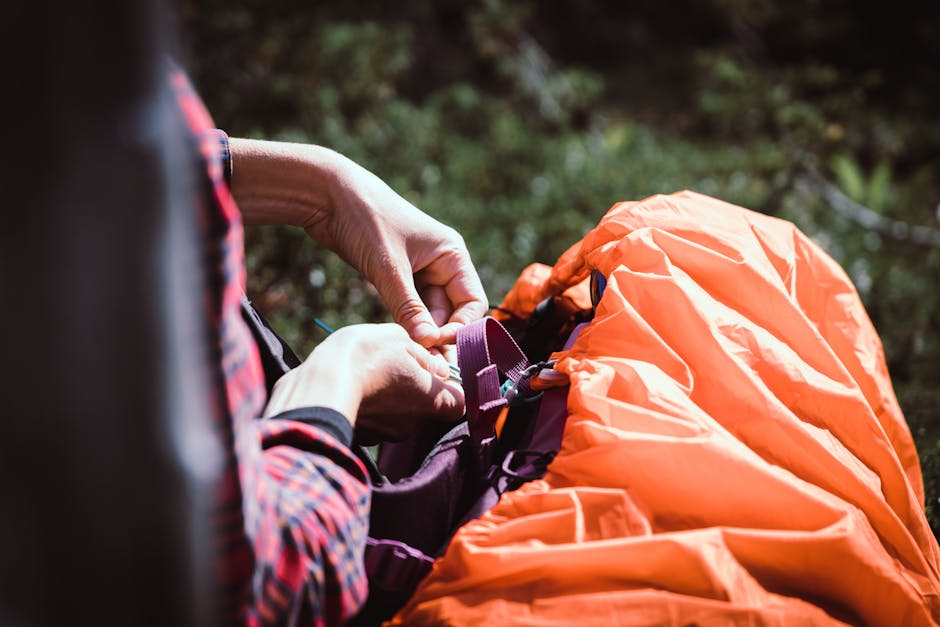
This is the single most consequential gear decision for a Kauai camping trip. Get this wrong and nothing else compensates for it.
| Tent | Weight | Floor HH | Canopy HH | Verdict for Kauai |
|---|---|---|---|---|
| MSR Hubba Hubba NX 2P | 1.72kg | 3,000mm | 1,200mm | Good floor, marginal canopy in sustained heavy rain |
| Big Agnes Copper Spur HV UL2 | 1.13kg | 1,200mm | 1,200mm | Not suitable for Kauai rainfall — leave it home |
| MSR Mutha Hubba NX 3P | 2.27kg | 3,000mm | 3,000mm | Best backpacking choice for multi-night coastal camps |
| REI Co-op Kingdom 4 | 5.9kg | 3,000mm | 3,000mm | Drive-in camping only (Polihale, Salt Pond) |
| Nemo Dagger OSMO 2P | 1.49kg | 3,000mm | 2,000mm | Solid for Na Pali backpacking; seam-tape before trip |
For Backpacking Na Pali and Waimea Canyon
The MSR Mutha Hubba NX is the right call for Kalalau Beach camping. Yes, it weighs more than the Copper Spur or the Nemo Tensix. But 3,000mm on both floor and fly is the minimum viable spec for the north shore in wet season. The Nemo Dagger OSMO 2P is a legitimate lighter alternative — but seam-tape every seam before departure. Factory taping is inconsistent on mid-range tents across all brands, and you won’t discover the gaps until it’s raining at 1am.
For Drive-In Camping
If you’re driving to Polihale or camping at Salt Pond Beach, weight is irrelevant. The REI Co-op Kingdom 4 under $400 gives you a bathtub floor, a fully seam-taped fly rated to 3,000mm, and enough interior space to ride out an all-night downpour without losing your composure. It’s the most practical option for car camping on the island.
The Big Agnes Problem
The Big Agnes Copper Spur HV UL2 is a genuinely excellent tent in its intended environment. Top-tier ultralight construction, strong pole geometry. But its 1,200mm ratings on both floor and fly are built for the western US where rain is typically brief. Do not bring it to the Na Pali Coast. You’ll be soaked by 2am and there is nowhere to go.
Footwear and Clothing: What Fails Before Mile Three
The Kalalau Trail — 11 miles one way on the Na Pali Coast — has a deserved reputation as one of the most demanding coastal hikes in the US. It’s not the elevation. It’s the mud.
After rain (and there will be rain), the trail surface becomes slick red clay stretched over exposed tree roots. Trail runners outperform traditional hiking boots here because they dry significantly faster and offer better ground feel when picking foot placement over roots. Three specific models worth knowing:
- Salomon Speedcross 6 ($140) — aggressive directional lug pattern handles Kauai mud better than most competitors. The drainage ports accelerate drying on stream crossings.
- Hoka Speedgoat 5 ($155) — more cushioning than the Salomon, slightly less aggressive tread. The right choice if you have knee issues or are covering the full Kalalau distance with a loaded pack.
- Altra Lone Peak 8 ($135) — wide toe box, zero-drop platform. Preferred by multi-day hikers. Traction is slightly less effective in deep mud compared to the Speedcross, but comfort over distance compensates.
Do not wear sandals on the Na Pali trail. This is not preference — it’s consistent advice from Kauai State Parks enforcement. People twist ankles on the exposed root sections every season without exception.
For clothing, one rule that matters: no cotton. Merino wool or synthetic only. A wet cotton shirt in 78°F tropical heat is uncomfortable. That same shirt after dark in a sea breeze becomes a real problem. Icebreaker Tech Lite II shirts ($60–70) are worth the premium over synthetics for trips longer than three nights — merino resists odor over extended wear in a way polyester can’t match.
Sleep Systems and the Humidity Problem
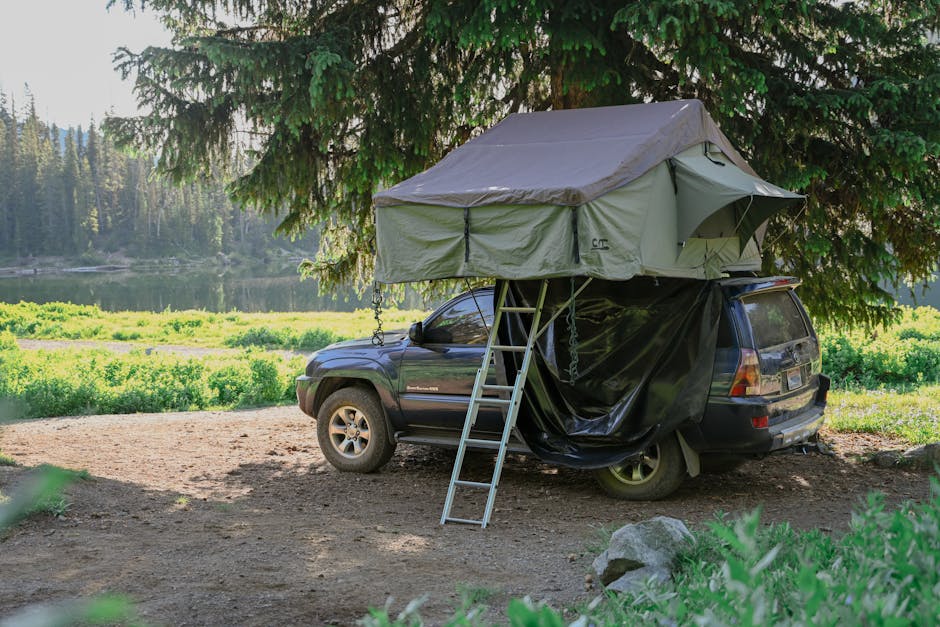
Use a synthetic sleeping bag rated to 45–55°F. Anything rated colder than 40°F will leave you sweating through the night at most Kauai campgrounds.
The Sea to Summit Spark SpI (rated 50°F, 227g) hits the right weight class and fill type for summer Kauai camping. For shoulder seasons or the higher-elevation camps near Waimea Canyon — where temperatures drop more meaningfully — the Kelty Cosmic 40 ($80) is the most practical, affordable synthetic bag available right now. No need to spend $200+ on down fill that loses performance the moment it absorbs moisture.
Sleeping Pads: Why You Still Need One
Some campers skip sleeping pads in warm climates. In Kauai this is a mistake. Beach campground ground stays damp and cold enough to pull heat from your body overnight. A Therm-a-Rest NeoAir Xlite ($220) is the lightest high-R-value option for backpackers. For car camping, the REI Co-op Camp Dreamer XL ($100) is adequate and saves significant budget for other gear.
Hammocks: Where They Work and Where They Don’t
Hammock camping works at specific Kauai sites — Hanalei Pavilion Beach Park and Anini Beach County Park have mature tree coverage at appropriate spacing. ENO DoubleNest ($70) with a Grand Trunk All-Season Rainfly ($50–60) is a viable setup. Kalalau Beach and Polihale have limited suitable anchor trees. If you commit to hammock camping, bring a tent as backup regardless. Conditions change.
Sun and Bug Protection: Two Non-Negotiables
Broad-spectrum SPF 50+ reef-safe sunscreen only. Hawaii state law bans oxybenzone and octinoxate sunscreens — the harmful formulations are unavailable on island. Bring Thinksport SPF 50+ or Raw Elements SPF 30 from home. Apply before leaving camp, not when you reach the beach.
For insects: treat all clothing and gear with Sawyer Permethrin ($15) before the trip. One treatment lasts through multiple washes. Pair it with Sawyer Premium 20% Picaridin on exposed skin — it performs identically to DEET with less skin irritation. Nothing fully stops no-see-ums except fine-mesh net tenting. Factor that into your shelter decision.
Renting Gear on Kauai vs. Bringing Your Own
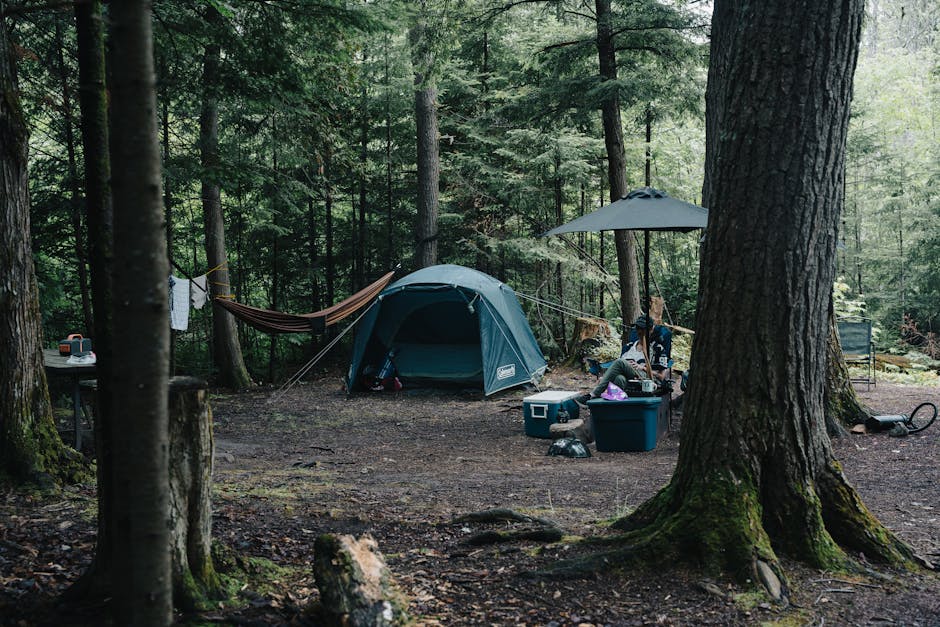
There are legitimate reasons to rent locally. Shipping camping gear to Hawaii and back adds cost and logistical friction. Several Kauai outfitters stock gear appropriate for island conditions.
| Scenario | Bring From Home | Rent on Kauai |
|---|---|---|
| One-time trip, no existing gear | Not worth buying a full kit | Rent from Kayak Kauai or Pedal ‘n Paddle |
| Regular camper with existing gear | Bring your own if it meets specs above | Supplement with rental tent if yours is under-rated |
| Na Pali multi-night backpack | Strongly preferred — inspect everything | Risky; rental pack fit is inconsistent |
| Beach car camping (Polihale, Salt Pond) | Either works fine | Convenient, reduces packing hassle significantly |
Pedal ‘n Paddle in Hanalei and Kayak Kauai are the two most consistently stocked outfitters on the island. Expect $30–50/night for tent rentals, $15–25/night for sleeping bags. Before accepting any rental tent, inspect the fly seams for delamination and check that the floor coating hasn’t started peeling. Tropical climates accelerate gear degradation — mold and coating breakdown happen faster here than anywhere on the mainland. Ask for the HH rating on any tent before you commit to it.
What Kauai’s Permit System Actually Changes About Your Packing
Which Campgrounds Require Permits?
Nearly all of them. Kalalau Beach requires a permit through Hawaii’s DLNR — these sell out months in advance during peak season (June–August). Polihale State Park, Haena State Park, and most county beach campgrounds require advance booking. Walk-in availability at Kalalau is essentially nonexistent for any popular travel window. Plan the permit first, then build the gear list around it.
Does the Campground Type Change Your Gear List?
Significantly. Kalalau Beach has no facilities — no potable water, no toilets, no shade structures. You need a water filter at minimum (Sawyer Squeeze at $35 is the standard field choice) plus a full self-contained shelter setup. Polihale is drive-in accessible with restroom facilities but is extremely exposed to sun and coastal wind. A UV-rated tarp or footprint with an awning extension adds meaningful daytime comfort that a tent alone doesn’t provide.
Haena and the Pack Weight Reality
Haena State Park — the Na Pali trailhead — requires vehicle access via advance shuttle reservation through the county system. You arrive by shuttle with everything on your back, which creates hard weight constraints regardless of your preferences. An Osprey Atmos AG 65 ($300) or Deuter Aircontact Lite 65+10 ($270) is the right size class. Anything over 75 liters becomes genuinely unmanageable on the Na Pali trail’s technical sections, and you’ll feel it from the first exposed ridge.
Gear specifically suited to Kauai’s conditions remains a gap in what most manufacturers offer — the right setup is still a field-tested combination of tropical-rated components rather than anything purpose-built for island backpacking. That’ll change as Hawaii’s camping infrastructure continues drawing more serious backcountry visitors.
Platinum Yucatun Princess Hotel Playa Del Carmen

Coco Bongo Playa Del Carmen

5 Day New York Itinerary
About The Author
