
Best Places to Visit in September: My Annual Shortlist
Best Places to Visit in September: My Annual Shortlist
Are you trying to figure out where September actually delivers — not just “shoulder season sounds nice” but real weather, real crowds, real prices?
I’ve been traveling specifically in September for about eight years. It started by accident — couldn’t afford July flights, booked September instead — and then I realized the math works so much better that I won’t go back. Here’s exactly where I go, where I avoid, and how to think through the decision yourself.
Why September Changes the Math on Every Trip
September sits in this exact sweet spot where European kids are back in school but the weather hasn’t turned. That’s the whole game.
In July and August, the Greek islands run at 140% capacity. Santorini’s caldera path has a traffic jam of tourists. Dubrovnik’s old city walls feel like a stadium exit. The prices reflect this — a double room in Mykonos in August runs €350-500/night at mid-range hotels. The same room in September? €180-250. Same pool, same sea view, 40% fewer people.
What Actually Shifts When September Hits
Three things move simultaneously:
- School calendars: German, French, British, and American families all pull back. This alone removes roughly 30-40% of peak summer tourist load from major European destinations.
- Airline pricing algorithms re-price on demand. Barcelona flights from London in August average £220 return. September average: £130-150. Same route, same airline.
- Sea temperatures in the Mediterranean are actually warmer than June — the water has been absorbing heat all summer. Around Crete it runs 26-27°C in September versus 22°C in June.
The Shoulder Season Trap
Not every destination benefits equally. Southeast Asia has a monsoon cycle that doesn’t care about European school calendars. Japan’s typhoon season peaks in September. Iceland gets its first serious cold snaps.
The rule I use: September is fantastic for destinations where crowds are the primary problem. If weather is the limiting factor, September helps less.
How to Verify the September Advantage Before You Book
Check three data points: average temperature, average rainfall days, and hotel pricing week-by-week. Weather Atlas has historical climate data going back 30 years. Google Flights’ calendar view handles the price comparison. If temperature holds within 3-4°C of peak summer and prices drop more than 20%, September is worth it. If only flights drop but hotels stay flat, the hotels know something about local September demand that you don’t.
European September Destinations: The Comparison
Six destinations I return to most often. The table explains why some are September slam-dunks and others are better left for different months.
| Destination | Sept Avg Temp | Sea Temp | Price vs August | Crowd Reduction | Verdict |
|---|---|---|---|---|---|
| Santorini, Greece | 26°C | 25°C | -35% | High | Best month to go |
| Algarve, Portugal | 25°C | 22°C | -25% | Moderate | Excellent choice |
| Dubrovnik, Croatia | 24°C | 24°C | -30% | High | Much better than August |
| Tuscany, Italy | 22°C | N/A | -20% | Moderate | Harvest season bonus |
| Ibiza, Spain | 27°C | 25°C | -40% | Very High | Best value in September |
| Amsterdam, Netherlands | 17°C | N/A | -15% | Low | Skip — wait for May |
The Greek Islands Case
Santorini and Crete are genuinely better in September than August. I’ve done Santorini in both months — in August I waited 45 minutes to enter Santo Wines winery. September: walked straight in. The sunsets still happen. The Caldera is still there. The wine tastes the same.
Crete’s interior is scorching in August — 38-40°C around Samaria Gorge. September drops that to 30-32°C, making a full gorge hike actually doable rather than punishing.
Portugal’s Algarve: The September Window
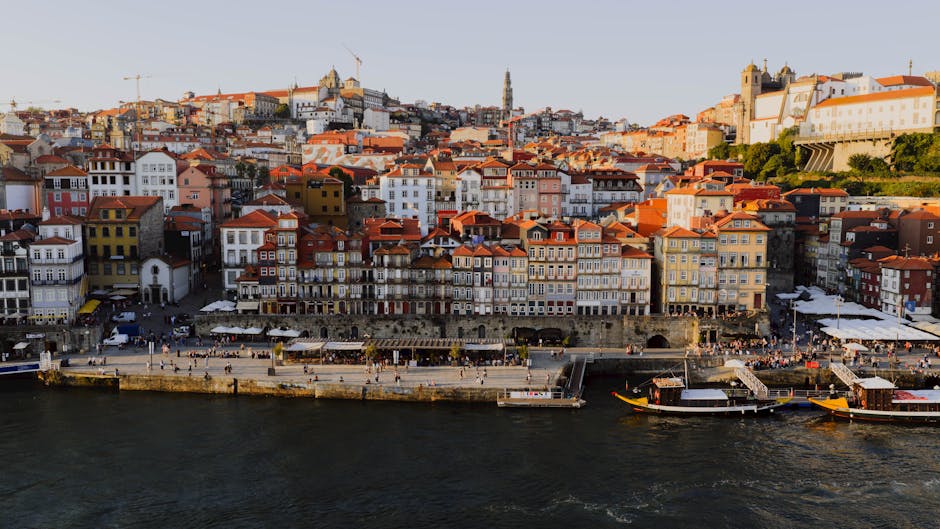
The Algarve peaks in August because the Portuguese themselves vacation there. By mid-September, Portuguese school holidays end and roughly 40% of the crowds disappear. Lagos still has 25°C days. The Atlantic is warmest right now — 21-22°C versus 18°C in June. Budget around €80-120/night for a good apartment versus €150-200 in August.
Japan in September: Skip It, Come Back in October
Japan in September has a typhoon problem. Typhoon season runs July through October, but September is peak frequency — statistically, 3-4 typhoons make landfall or pass close to the Japanese mainland that month. I had a Kyoto itinerary wrecked by Typhoon Shanshan in 2024, costing two full days. The autumn foliage everyone wants doesn’t start until mid-to-late October in Kyoto and Tokyo anyway. October is the better month for Japan — same cooling temperatures, far fewer storm disruptions.
How to Choose Your September Destination in 4 Steps

This is the process I run every time someone asks me where to go in September. Takes about 20 minutes and prevents expensive mistakes.
Step 1: Identify Your Primary Travel Driver
Beach and swimming? Culture and cities? Hiking? September’s advantages are unevenly distributed. It’s overwhelmingly a beach and culture month — the combination of warm water, cooler air, and reduced crowds works best for coastal and urban destinations. Alpine hiking (Dolomites, Swiss Alps) is also strong in September, but you’re racing the first snowfall at elevation.
Step 2: Map the Regional Climate Data
Pull up historical September averages on Weather Atlas or Weatherbase. The numbers you want:
- Average high temperature: ideally 22-30°C for beach and walking
- Average rain days: under 8 per month acceptable, under 5 ideal
- Humidity: anything consistently above 80% makes 28°C feel like 35°C
Bangkok in September: 32°C, 20 rain days, 80% humidity. Off the list. Lisbon in September: 27°C, 4 rain days, 60% humidity. On the list. This comparison takes about three minutes per destination.
Step 3: Run the Pricing Check
Open Google Flights, select calendar view, compare August 15-31 against September 1-20 from your departure city. If September is within 10% of August prices, the destination hasn’t repriced — either demand stays high year-round or the platform is slow. Check Booking.com and Airbnb too. All three should show a decline. If only flights drop but hotels stay flat, the hotels know something about local September demand that you don’t.
Step 4: Check the Local Event Calendar
Some destinations have September events that push crowds and prices back up. Oktoberfest in Munich starts late September. Feria de Pedro Romero in Ronda, Spain runs in September. Tuscany’s Chianti harvest festivals stretch through October. These aren’t dealbreakers — but they affect logistics, accommodation availability, and how the city actually feels when you arrive.
Southeast Asia: Where September Works and Where It Doesn’t
The honest answer is that Southeast Asia in September is a split verdict. Most travel content pretends every destination shines every month — it doesn’t.
Vietnam: North Yes, South Complicated
Northern Vietnam — Hanoi, Halong Bay, Sapa — has its tail end of rainy season in September, but it’s manageable. Sapa gets dramatic cloud coverage that makes it genuinely beautiful for photography, and the rice terraces are at peak green. Halong Bay runs tours most days despite occasional storms.
Hoi An in central Vietnam is genuinely tricky. It sits in a micro-climate that concentrates rain, and flooding in the old town is a real issue mid-to-late September. Southern Vietnam (Ho Chi Minh City, Mekong Delta) is in peak rainy season — daily afternoon downpours, high humidity. Fine if you’ve been before. Not ideal for a first visit.
Bali: The Dry Season Holds
Bali’s dry season runs May through October, and September is one of the best months to go. Temperatures sit around 27-29°C, humidity is lower than the wet season, and the rice terraces at Tegallalang are in excellent condition. Crowds are moderate — less intense than August, not as empty as November. Expect €60-90/night for a good villa in Ubud versus €100-140 in August.
Thailand: Wait for October
Thailand’s Gulf Coast — Koh Samui, Koh Phangan — is in its worst monsoon weather in September. The Andaman Coast (Phuket, Krabi) is better but still rainy. I push toward late October or November for Thailand, when the entire country opens simultaneously and you’re not gambling on which coast is having a good weather week.
Three September Destinations Most Travelers Skip

These three consistently get underbooked in September despite being genuinely excellent that month.
Oman: The Season Opens Late September
Most of Oman’s interior runs 40-45°C from June through August — unwalkable. September marks the start of the cooling transition. Muscat drops from 40°C to around 34°C by late September, and the Jebel Akhdar region at 2,000m elevation is already at a comfortable 22-25°C. The Wahiba Sands desert camps start reopening for the season. If you’re planning a trip and thinking about timing your Oman visit around the weather, late September is the earliest viable window — and even then, stick to the highlands and coast.
Morocco: Marrakech Without the Brutal Heat
Marrakech in July and August peaks at 38-42°C. The medina has almost no shade coverage in the main squares, and Djemaa el-Fna becomes genuinely punishing by midday. September brings that down to 32-35°C — still warm, but you can walk without suffering. The Atlas Mountains are perfect: 18-22°C at altitude, clear skies, and the Toubkal summit at 4,167m is accessible without the ice complications of winter or the heat exhaustion of summer.
Riads in the Marrakech medina cost MAD 400-800 ($40-80) per night in September, compared to MAD 600-1200 during peak season.
Iceland: Northern Lights Return
Iceland’s Northern Lights require darkness, and after the endless daylight of Icelandic summer, September brings enough dark hours back for Aurora sightings. First displays typically appear in early-to-mid September. Reykjavik averages 8-12°C — cold but manageable with proper layers. The Westfjords and East Iceland are spectacular in September, with vegetation turning gold and virtually no tourists. Bring a serious waterproof jacket. Iceland’s weather changes every 20 minutes regardless of what the forecast says.
September vs. October: When to Make the Switch
Which Destinations Peak in September Specifically?
The Mediterranean — Greece, Croatia, southern Italy, Portugal — peaks in September for the combination of warm sea and reduced crowds. By October, some Greek island ferry services reduce frequency, beach clubs close, and the water cools below 22°C. For pure beach travel, September is the last month that functions at full capacity. If swimming in warm water matters to you, September is the deadline.
Where Does October Actually Beat September?
Japan, as discussed, is far better in October when typhoon frequency drops and autumn foliage starts. Vermont’s fall color peak runs October 5-15 — not September. Thailand opens up properly in late October when the Gulf Coast monsoon ends. The Camino de Santiago in Spain has better weather and fewer pilgrims in October than in September’s busier pilgrim rush.
What About Transatlantic Flight Deals?
September is one of the cheapest transatlantic months. New York to London routinely drops to $450-600 return versus $900-1200 in July. Same pattern on New York to Lisbon, Paris, and Rome. The combination of cheap flights and cheaper accommodation makes September the best-value travel month of the year for most North American and British travelers — something worth building a trip around rather than just landing on by default.
The Mediterranean in September — warm water, fallen prices, and half the summer crowds — is the best-value beach trip in the calendar year.

All Inclusive Resort With Private Pool: All-Inclusive Resort With Private Pool: What You Actually Get for Your Money

Costa Rica Travel Guide 2026: Why “Pura Vida” Isn’t Just a Phrase (And What Tourists Get Wrong in Costa Rica)

Cheap Flights Out of the Country: 6 Steps That Actually Work
About The Author
