
Kyoto Travel Guide 2026: A Four-Day Cultural Itinerary
Four days is the right amount of time for a first Kyoto visit if you group sights by neighborhood. This route covers the city’s major cultural landmarks without turning every morning into a race for the next train. You will see temples, shrines, gardens, tea culture, traditional streets, and Kyoto’s food scene, while keeping enough space for quiet walks.
Why four days is the right Kyoto pace
Build around neighborhoods, not a checklist
Kyoto looks compact on a map, but its attractions spread across mountains, river valleys, and busy central streets. Kiyomizu-dera, Gion, Fushimi Inari, Arashiyama, Kinkaku-ji, and Ryoan-ji do not belong on the same day. Crossing the city repeatedly costs time and energy, especially during the crowded spring and autumn seasons.
The strongest plan gives each day one geographic identity. Southern Higashiyama works as a walking day. Fushimi pairs naturally with Uji. Northern Kyoto deserves its own route. Arashiyama works best when you arrive before the main crowds.
Leave room for the ordinary
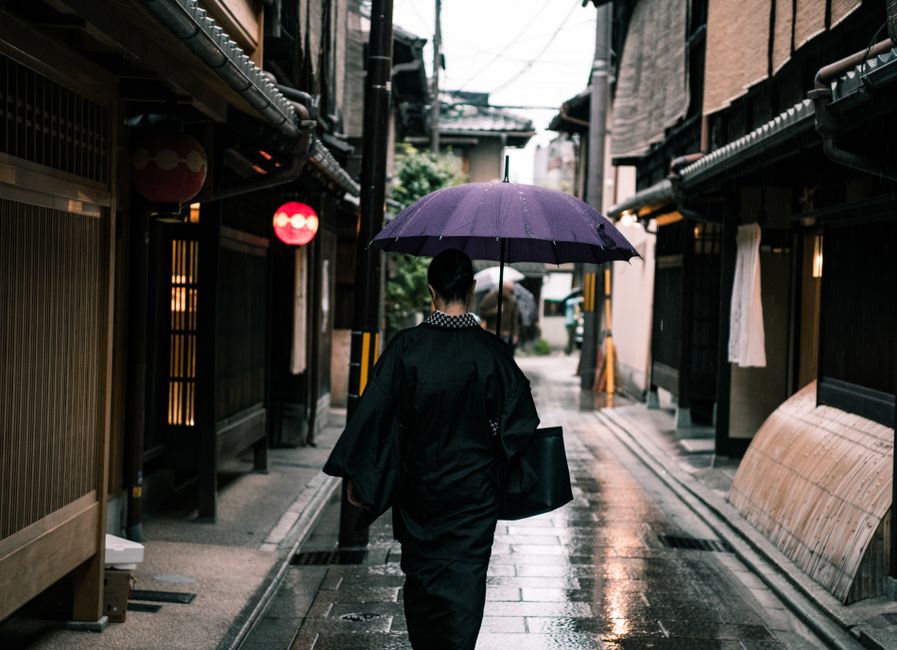
Kyoto’s cultural appeal is not limited to famous buildings. A ten-minute walk through a quiet residential lane can reveal tiled roofs, small Buddhist altars, laundry shops, and neighborhood gardens. Give yourself at least one unplanned hour each afternoon. That buffer absorbs late trains, long queues, rain, and the simple need to sit down.
Best overall verdict: keep the itinerary to two or three major sights per day. The slower structure creates a better cultural experience than collecting ten rushed photographs.
Day 1: Walk from Kiyomizu-dera to Gion
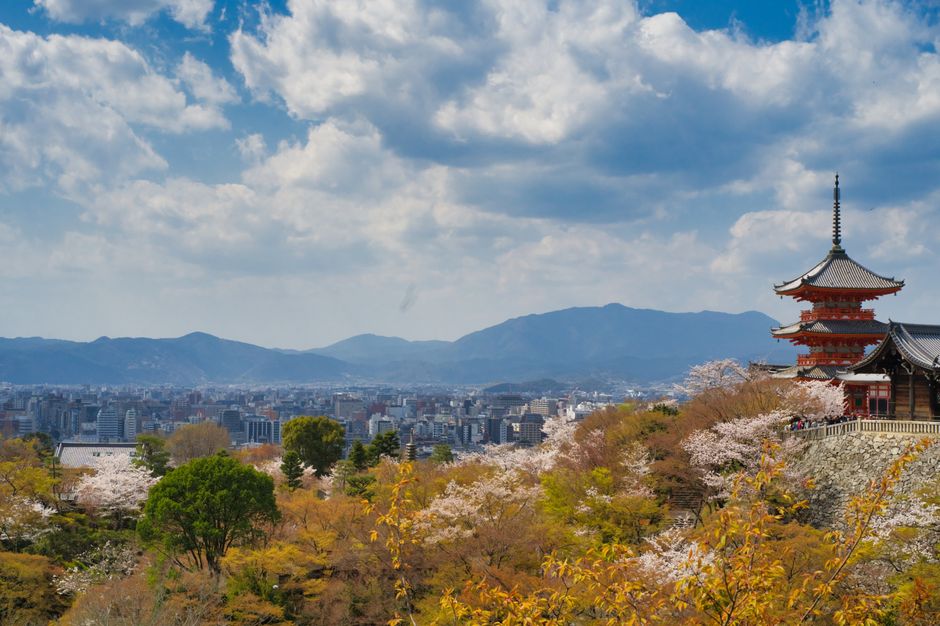
Start in southern Higashiyama. This is Kyoto’s strongest opening day because the route moves naturally on foot and introduces the city’s temple architecture, old lanes, tea houses, and evening dining streets.
Morning at Kiyomizu-dera and Yasaka Pagoda
Arrive early at Kiyomizu-dera and spend time on the wooden stage before the approach becomes crowded. Look beyond the main hall for the pagoda views, hillside paths, and smaller temple buildings. From there, walk through Sannenzaka and Ninenzaka toward Yasaka Pagoda. The lanes are atmospheric, but they are also working streets. Keep to the side, avoid blocking doorways, and ask before photographing people or private entrances.
Afternoon temples and evening Gion
Continue to Kodai-ji, then walk toward Maruyama Park and Yasaka Shrine. Kodai-ji gives you a more controlled garden experience after the bustle of Kiyomizu-dera. Maruyama Park is a useful pause point, with benches and open space. Finish in Gion or along the Shirakawa Canal. A reservation at a small restaurant is safer than relying on a walk-in table at peak dinner time.
Do not add Fushimi Inari to this day. The two areas look close on tourist maps, but the transfer creates a poor afternoon. This first day is best kept entirely on foot after reaching Higashiyama.
Day 2: See Fushimi Inari before visiting Uji
Day two should begin before breakfast. Fushimi Inari Taisha is the clearest sunrise choice in Kyoto, and the train is faster and more reliable than a cross-city bus during the morning rush.
Use the mountain trail selectively
Take the JR Nara Line from Kyoto Station to Inari Station. The ride takes about nine minutes, and the shrine entrance stands immediately outside the station. Walk through the lower torii gates, pass the main shrine, and continue uphill. You do not need to complete the full mountain loop to experience the site. The first section is the busiest; the paths become quieter as you climb. Allow two hours for a relaxed partial hike, or three hours for a longer circuit.
- Arrive around sunrise and walk through the first torii tunnel.
- Visit the main shrine buildings before climbing farther uphill.
- Stop at Yotsutsuji intersection for a broad view over southern Kyoto.
- Return by the same route or complete the mountain loop if your legs feel fresh.
- Take the train onward to Uji instead of returning to Kyoto for lunch.
Spend the afternoon in Uji
Uji adds a calmer cultural layer to the day. Visit Byodo-in, walk beside the Uji River, and explore the tea shops on Omotesando. The town is strongly tied to matcha, but the best experience is not a souvenir hunt. Order one carefully made tea dessert or a bowl of matcha, then spend time beside the river.
Kyoto’s official access advice recommends the JR Nara Line for Fushimi Inari and warns that the bus can take much longer. The route details are listed on Kyoto’s official Fushimi Inari access page.
Day 3: Compare northern Kyoto’s temples and gardens
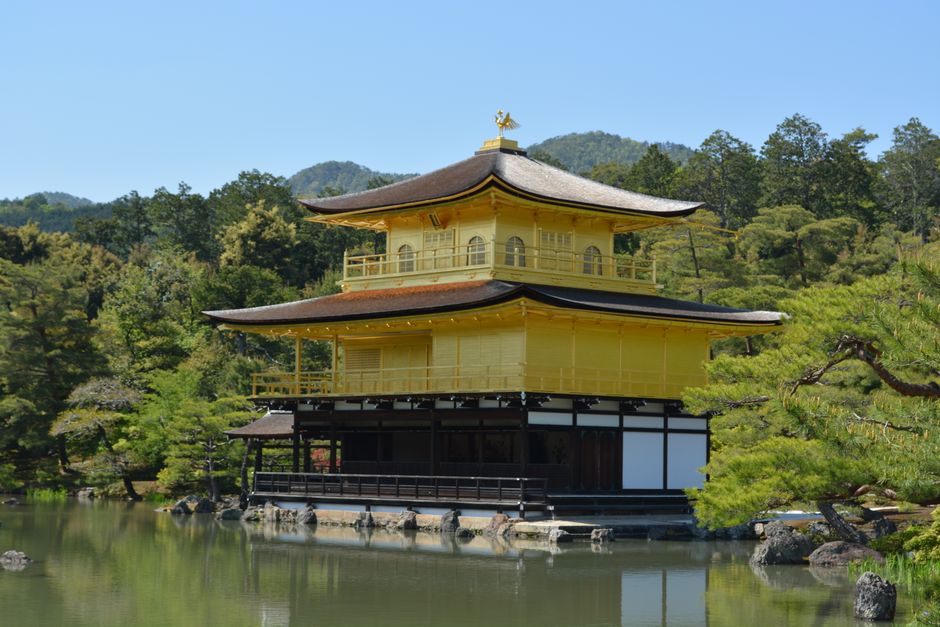
Day three moves north and west through three different ideas of Buddhist space: Kinkaku-ji’s polished spectacle, Ryoan-ji’s severe rock garden, and Ninna-ji’s spacious imperial-temple layout. Choose the Kinukake-no-Michi route because the sights are close enough to connect without wasting the day on long transfers.
| Time | Stop | What to focus on | Suggested stay |
|---|---|---|---|
| 08:30 | Kinkaku-ji | Golden Pavilion, pond, and garden path | 60–75 minutes |
| 10:15 | Ryoan-ji | Rock garden and moss garden | 75–90 minutes |
| 12:00 | Local lunch near Omuro | Soba, tofu, or a set meal | 60 minutes |
| 13:15 | Ninna-ji | Gate, palace buildings, and grounds | 90 minutes |
| 16:00 | Optional quiet walk | Residential lanes around Omuro | 45 minutes |
Why Kinkaku-ji comes first
Kinkaku-ji photographs well from almost every angle, which is exactly why it fills quickly. Go first, keep moving through the marked route, and save your slower attention for Ryoan-ji. The contrast matters: one site is built around visual brilliance, while the other asks you to sit and study a restrained composition.
Why Ninna-ji deserves the afternoon
Ninna-ji spreads visitors across a larger area, so it feels less compressed than the first two stops. Its buildings and gardens reward a slower pace. If rain begins, shorten the outdoor sections and spend more time in the temple interiors where access allows.
Skip this route if your priority is shopping or nightlife. For culture lovers, though, it is the strongest full day in the itinerary.
Day 4: Experience Arashiyama before the crowds
Arashiyama deserves the first train, not the spare afternoon. The bamboo grove is most peaceful early, and arriving before tour groups changes the entire mood of the district. After the grove, stay in the area rather than crossing back and forth across Kyoto.
Begin with bamboo, Tenryu-ji, and the river
Enter the bamboo grove from the Saga-Arashiyama side and walk uphill through the first paths. The grove is shorter than many visitors expect, so do not build an entire morning around photographs there. Continue to Tenryu-ji, where the garden gives you a more complete landscape: pond, borrowed mountain scenery, carefully shaped trees, and temple buildings. The combination is better than treating the bamboo as the main event.
Add one hillside viewpoint
After Tenryu-ji, walk toward the Katsura River and Togetsukyo Bridge. Choose one extra stop based on energy. Okochi Sanso offers a garden and hillside views. Gio-ji provides moss, shade, and a smaller scale. The Kyoto Railway Museum or Nishiki Market is a poor add-on at this point because both require a long transfer and create a second crowded zone.
Make the evening local and simple
Return toward central Kyoto for dinner in Pontocho, Kawaramachi, or a quieter street near Karasuma. Nishiki Market is better before late afternoon, when individual stalls are open and the passage is less congested. Eat small portions from several places, keep food over the counter, and avoid stopping in the middle of the narrow lane.
The winning Arashiyama plan is bamboo grove, Tenryu-ji, river walk, one hillside garden, then an unhurried evening. Adding more landmarks weakens the day.
How to move around Kyoto without wasting hours
Kyoto works best with trains for long movements, walking for historic districts, and buses only for the final connection. A bus-only strategy looks simple but often fails on congested streets. Use trains first, especially for Fushimi, Uji, Gion, and Arashiyama.
| Pass or card | 2026 adult price | Best use | Clear verdict |
|---|---|---|---|
| ICOCA | Stored-value IC card | Mixed train rides and occasional buses | Best for flexible plans |
| Kyoto City Subway 1-Day Pass | ¥800 | Several subway journeys | Best for central Kyoto routes |
| Subway & Bus 1-Day Pass | ¥1,100 | Heavy bus-and-subway sightseeing | Best only when taking many covered rides |
| Randen 1-Day Free Ticket | ¥700 | Multiple Randen trips around Arashiyama | Best for a tram-focused west Kyoto day |
| Keihan KYOTO SIGHTSEEING PASS | ¥1,100 for one day | Fushimi, Higashiyama, Uji connections | Best when your route follows Keihan |
Passes are not automatically cheaper
A ¥1,100 pass needs enough covered rides to beat individual fares. Day one is mainly walking, so an IC card or single tickets usually win. Day two can favor JR fares because Fushimi Inari and Uji sit on the JR Nara Line, which the city pass does not cover.
Check coverage before boarding
The Subway & Bus 1-Day Pass excludes some routes, and neither it nor most city passes replaces a JR ticket. Kyoto’s official transport page lists current coverage, including the ¥1,300 Kyoto City Subway and Randen 1-Day Pass for the 2026–27 sales period. Check that page before purchase because ticket rules and sales periods can change.
Kyoto’s official transport pass guide is the reliable reference for current fares and route coverage.
Kyoto mistakes that can ruin a four-day trip
The itinerary is strong only if you protect it from predictable errors. These are the questions that matter most before departure.
Should you stay near Kyoto Station?
Choose Kyoto Station for easy luggage handling, JR access, and efficient day trips to Fushimi and Uji. Choose Gion or Kawaramachi for evening atmosphere and shorter walks after dinner. For this itinerary, Kyoto Station is the more practical base; Gion is the more atmospheric one. Do not change hotels during four days.
Can you visit every famous temple?
No. Trying to add Kinkaku-ji to the Higashiyama day or Fushimi Inari to Arashiyama creates long transfers and shallow visits. Pick the route that matches the day. A temple deserves at least 45 minutes if you want to notice its garden, layout, and details rather than only its entrance.
What should you do in bad weather?
Keep Fushimi Inari and Arashiyama for the clearest mornings. Rain suits Ninna-ji, Kyoto National Museum, tea houses, covered shopping arcades, and smaller temple interiors. Carry a compact umbrella, wear shoes with grip, and leave space in the schedule for drying off. Kyoto rewards patience, but it punishes an itinerary with no breathing room.
Follow the neighborhood order, start early at the busiest landmarks, and let one quiet hour remain unplanned each day. That is enough structure for a memorable Kyoto trip in 2026.
About The Author
