
Japan Cherry Blossom Forecast 2026: Plan Late March
You booked a late-March Japan trip for pink blossoms, then the forecast moved by five days and your Tokyo hotel became nonrefundable. That problem is common because sakura forecasts describe biological milestones, not guaranteed viewing conditions. This is not legal advice — consult a licensed attorney.
How to read a Japan sakura forecast
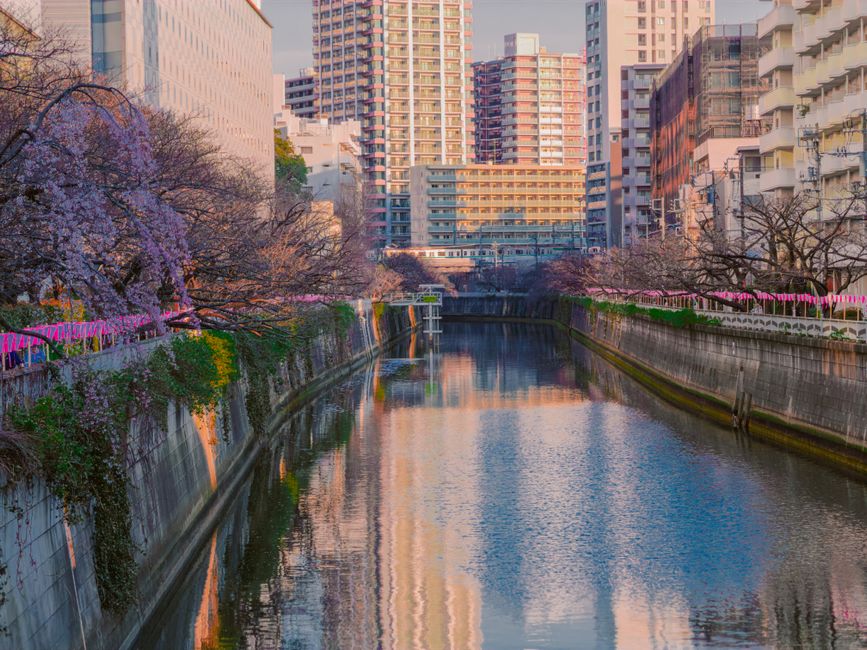
Verdict: read the forecast by city, milestone, and confidence level. A national map is useful for orientation, but it cannot tell you what will happen at a specific riverbank, temple, or hotel district. Forecasts become more useful as the trip gets closer, so use early estimates to choose regions and late updates to choose daily timing.
Use this five-step forecast test
- Identify the city. Tokyo, Kyoto, Osaka, Fukuoka, Kanazawa, and Sendai can reach bloom at different times. Do not apply a Tokyo date to Kyoto without checking a Kyoto-specific forecast.
- Separate first bloom from full bloom. If your goal is a dense canopy, full bloom matters more than the first opening date. If your goal is a chance to see blossoms, first bloom may be enough.
- Check the forecast issue date. A forecast made in January gives a planning signal. A forecast updated one week before arrival deserves more weight.
- Compare two sources. Use the Japan Weather Association, the Japan Meteorological Agency for local weather, and the official Japan National Tourism Organization forecast page. Agreement raises confidence; disagreement means you need flexibility.
- Read the weather after the blossom date. The bloom date tells you when flowers may open. A five-day local forecast tells you if rain, wind, or cold will affect the actual viewing day.
Use a three-day decision window
For each destination, mark three dates: the predicted full-bloom day, the day before, and the day after. Then check weather and local reports each morning. This approach gives you a usable decision window instead of a false promise. If a forecast moves by two days, you change the order of your visits rather than canceling the whole trip.
What booking rule protects your itinerary?
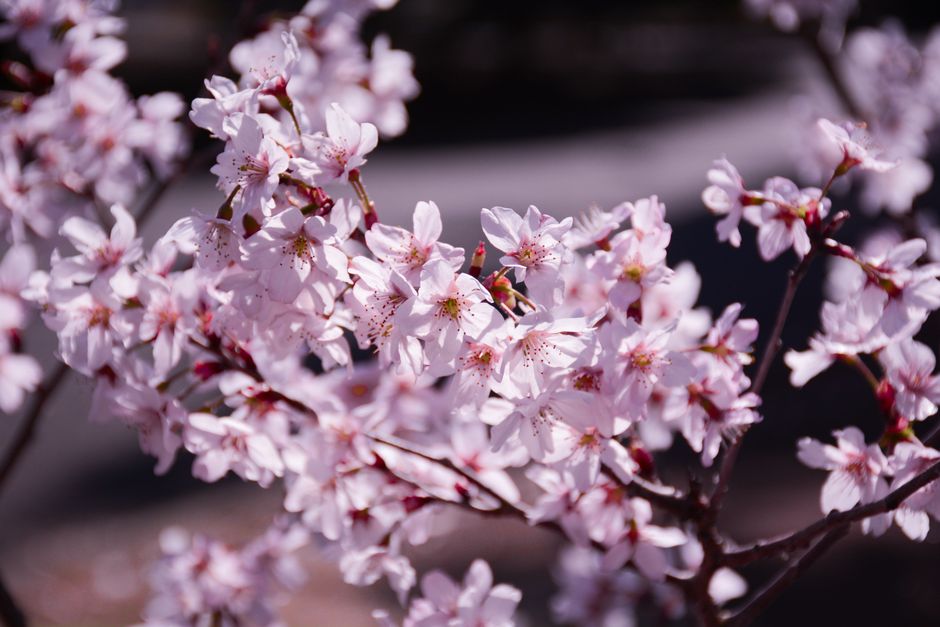
Book the trip around flexibility, not around the earliest forecast. Reserve cancellable hotels in two cities, place the least flexible booking in the middle of the trip, and leave the first or final nights adjustable when your budget allows. This structure costs more effort during planning, but it protects you from the most common late-March mistake: paying for a fixed route before the forecast becomes reliable.
Reserve in the right order
Start with the flights because they usually have the fewest practical alternatives. Next, reserve accommodation with a clear cancellation deadline. Then sketch the rail route without buying every ticket immediately. Finally, choose daily parks after you have checked the latest forecast and local weather. Kyoto and central Tokyo hotels can sell out during peak bloom, so flexibility does not mean waiting until the last minute. It means choosing refundable terms before demand rises.
Build a weather buffer
Give each major blossom destination at least two nights. A single overnight stay creates a fragile schedule: one delayed train, rainy afternoon, or tired arrival can remove your only viewing chance. Two nights create one full day and two partial days. Three nights are better for a destination that matters most to you. Keep one indoor alternative nearby, such as a museum, market, tea district, or historic neighborhood. That prevents the trip from feeling wasted when the flowers are not at peak.
Do not pay a premium for a nonrefundable room solely because a January forecast looks favorable. The forecast may be directionally correct and still miss your exact travel dates. Your best protection is a booking policy that lets you move one night, not a prediction that claims certainty.
Which travel tools are worth paying for?
Verdict: buy transport only after comparing the route total; use a national rail pass only when your long-distance travel clearly supports it. The Japan Rail Pass is useful for a multi-city route, but a Tokyo-only or Tokyo-Kyoto trip does not automatically justify the price. A flexible itinerary needs simple local transport, reliable weather data, and enough cash or stored value for last-minute changes.
Compare the main transport choices
| Product or service | Published 2026 detail | Best use | Verdict |
|---|---|---|---|
| Japan Rail Pass Ordinary 7-day | ¥50,000 for an adult bought through the official online service | Several long JR journeys within seven days | Buy only after adding the individual fares |
| Japan Rail Pass Ordinary 14-day | ¥80,000 for an adult bought online | A longer route with repeated intercity travel | Usually excessive for one Tokyo-Kyoto loop |
| Welcome Suica Mobile | Free app download; transport balance is added separately | Subway, local trains, buses, and small purchases | Best basic tool for flexible city days |
| Google Maps | Free app with route planning and live navigation features | Walking routes, station transfers, and park access | Keep it installed, but confirm rail platform details locally |
| Weathernews | Free weather and sakura-tracking app with location updates | Morning decisions about bloom and rain | Useful as a second forecast source |
Know the Shinkansen limitation
The official Japan Rail Pass site states that travelers using Nozomi or Mizuho trains need a special additional ticket. The published adult price for Tokyo or Shinagawa to Kyoto is ¥4,960 per ride. A Tokyo-to-Kyoto Nozomi journey takes about 130 minutes, so it is the fastest practical backbone for a two-city itinerary, but pass rules still matter. Check the current official terms before payment because rail prices and conditions can change.
For most late-March visitors, the best value is a point-to-point plan plus a local IC card. Choose the Japan Rail Pass when your route includes enough long JR trips to exceed ¥50,000 within seven days. Choose ordinary tickets when you want to change cities after the forecast updates. That flexibility is often worth more than a pass bought for psychological comfort.
What mistakes make late-March trips fail?
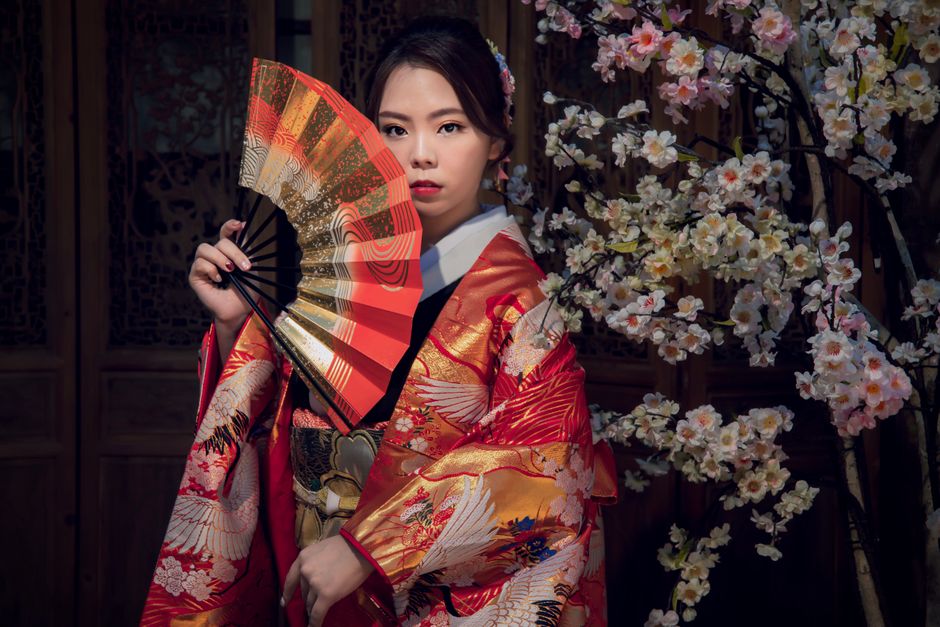
Verdict: the biggest failure is treating a forecast as a reservation date. Sakura planning fails when travelers confuse a regional estimate with a guarantee at one park. The second major failure is building a route that requires perfect weather and perfect rail connections every day.
What if the forecast moves after booking?
Move the order of your cities if your hotel terms allow it. Keep the first and last destinations connected by frequent rail service, and avoid placing a remote mountain town between two nonrefundable reservations. If your accommodation cannot move, keep the itinerary and change the park, not the entire trip. Urban areas usually offer several blossom types and many non-sakura activities within a short distance.
What if full bloom happens before arrival?
Look for late-blooming varieties, weeping cherries, mountain areas, and northern destinations. Some parks peak at different times because of elevation, tree variety, shade, and local exposure. Do not assume every tree in a city peaks together. Ask the hotel front desk or a local tourist information center for current conditions instead of relying on a photograph posted weeks earlier.
What should you avoid?
- Do not schedule only one blossom viewing morning.
- Do not book a nonrefundable hotel in three cities before checking transport times.
- Do not travel across Japan every day to chase a one-day forecast change.
- Do not judge a park from a national forecast map without checking its local weather.
- Do not assume rain means total failure; light rain can produce excellent conditions if wind stays low.
These mistakes all come from the same planning error: optimizing for a perfect photograph instead of a resilient trip. A good itinerary still works when the flowers open early, late, or unevenly.
What is the clearest late-March booking decision?
For a fixed late-March trip, choose Tokyo plus Kyoto or Osaka, stay at least two nights in each, and check city-level forecasts one week before arrival. That route offers the strongest mix of likely bloom timing, transport frequency, gardens, historic districts, food, museums, and backup activities. It also gives you a realistic chance to see blossoms even if the forecast shifts by several days.
Use this final decision rule
If your trip ends before March 28, favor Tokyo, Nagoya, Osaka, Kyoto, or Fukuoka and keep the route compact. If your trip continues into early April, add Kanazawa or another later-blooming area after checking the current forecast. If the latest forecasts disagree, keep your base cities and change the viewing order rather than adding a long detour.
Set the final check dates
At 14 days before departure, compare official forecast sources and confirm cancellation deadlines. At seven days, review the city-level weather and move flexible nights if necessary. At 48 hours, choose the park with the best combination of bloom reports, low wind, and manageable travel time. On the morning itself, allow extra time for crowded stations and popular viewing paths.
The strongest late-March Japan plan does not promise perfect sakura. It gives you several credible chances, a route that remains enjoyable in ordinary weather, and enough flexibility to respond when the forecast changes.

Luxury Resorts Key West: 7 Stays Worth the Splurge

Best Eco-Friendly Boutique Hotels in Costa Rica: 2026 Picks
Sri Lanka in February: A 10-Day Dry-Season Route
About The Author
