
Travel Games For Kids Long Journeys: 7 Travel Games and Activities to Keep Kids Happy on Long Journeys (2026)
Most parenting advice for long trips tells you to load a tablet with movies and hope for the best. That works for exactly 45 minutes before the battery dies or they get bored. Here is what actually works—seven specific games and activities tested on a 12-hour car ride from London to the Scottish Highlands and a 7-hour flight to Greece.
1. The License Plate Game: Still the Best ROI
This costs nothing. Requires zero prep. And it kills more time than any app.
How it works: Each person picks a letter. Spot a license plate starting with that letter, you get a point. First to 10 wins. For younger kids (ages 4–7), just call out letters you see. For older kids (8+), add points for spotting plates from different UK regions or European countries.
Why it beats screens
It forces kids to look out the window instead of down at a screen. That reduces motion sickness by a lot—the NHS recommends looking at distant objects to prevent car sickness. Screens make it worse.
Failure mode to avoid
Don’t let one kid dominate. Set a rule: each person gets 30 seconds to spot before passing the turn. Otherwise the 10-year-old who can read at 50 meters will crush the 5-year-old, and you’ll get tears.
2. Magnetic Travel Board Games: The Only Ones Worth Packing
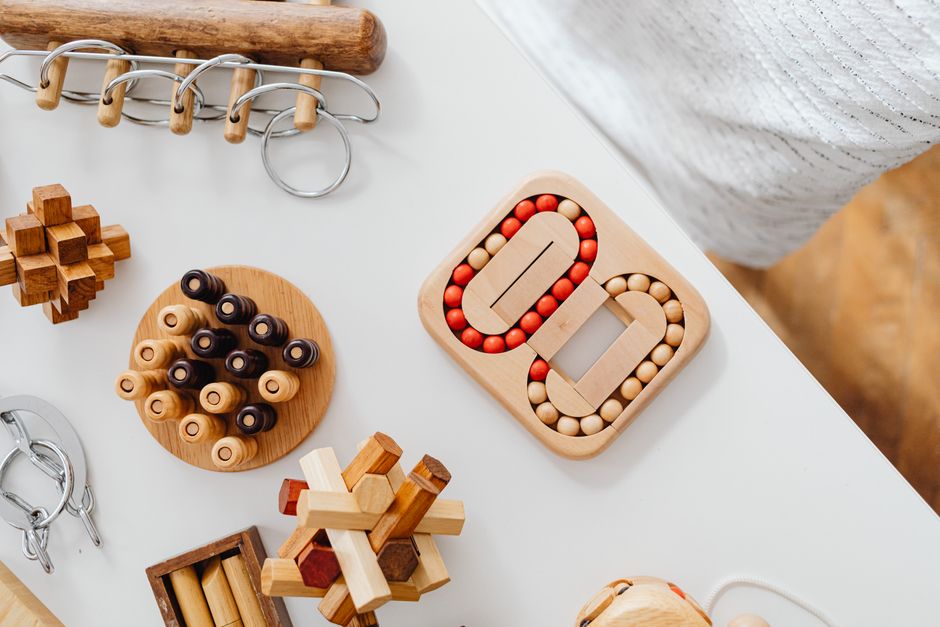
Most travel board games are garbage. The pieces slide off. The boxes fall apart. The magnets are weak. After testing six sets, here is the shortlist:
| Game | Age Range | Magnets? (Y/N) | Time to Play | Verdict |
|---|---|---|---|---|
| Magnetic Chess (Jaques of London) | 6+ | Yes, strong | 20–40 min | Best for older kids |
| Magnetic Travel Battleship (Hasbro) | 7+ | Yes, good | 15–25 min | Best for two kids |
| Magnetic Travel Connect 4 (Hasbro) | 4+ | No, friction fit | 5–10 min | Good for toddlers |
| Magnetic Scrabble (Hasbro) | 10+ | Yes, weak | 30–50 min | Skip—pieces fall off |
Verdict: The Jaques of London Magnetic Chess set (£18) is the best value. Strong magnets, compact size, and it works on planes where tray tables are small. The Scrabble version is a waste—the magnets are too weak for turbulence or bumpy roads.
3. The Story Chain Game: Zero Prep, Maximum Engagement
One person starts a story with one sentence. The next person adds one sentence. Keep going until someone can’t think of anything or the story reaches a natural end.
This works for ages 5 to adult. The only rule: no killing off characters just to end the story. That’s the number one failure mode—someone always tries to blow up the car or crash the plane. Ban it upfront.
When to use it
Best for the last hour of a trip when everyone is tired and cranky. It requires zero materials, zero energy, and it keeps everyone’s brain engaged without needing to look at anything.
4. Audio Stories and Podcasts: Better Than Music

Music works for about 15 minutes. Then it becomes background noise and kids start fighting over the playlist. Audio stories are different—they demand attention.
Specific recommendations:
- David Walliams’ audiobooks (Audible, £7.99 each): His “Gangsta Granny” and “The World’s Worst Children” series are 4–6 hours each. Perfect for a long drive.
- “The Unexplainable Disappearance of Mars Patel” (free podcast): A 10-episode mystery series. Each episode is 20–30 minutes. Ages 8–12.
- “Story Pirates” (free podcast): Stories written by kids, performed by professional actors. Ages 4–8. Episodes are 15–30 minutes.
Hardware note: Buy a dedicated kids’ MP3 player. The Yoto Player (£89.99) or Mighty Vibe (£79.99) are better than handing over your phone. No screen, no YouTube, no accidental purchases. Just audio.
5. The Alphabet Hunt: The Only Game That Scales
Find every letter of the alphabet in order from A to Z on signs, license plates, billboards, or shop fronts. First person to reach Z wins.
This is the only travel game that works equally well for a 4-year-old and a 14-year-old. The 4-year-old looks for big letters on signs. The 14-year-old looks for obscure ones on van decals. Everyone plays at their own level.
Failure mode to avoid
On motorways, Q, X, and Z are nearly impossible. Set a rule: you can skip any three letters. Otherwise the game dies at Q and everyone gets frustrated.
6. The “I Spy” Variation That Actually Works
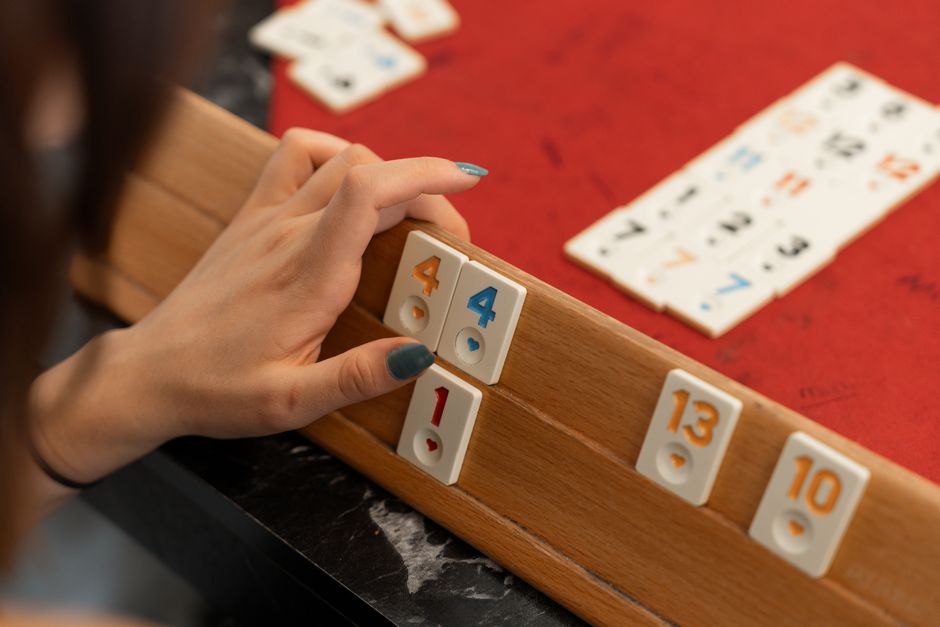
Standard I Spy is terrible in a car. “I spy with my little eye, something beginning with C.” “Car?” “No.” “Cloud?” “No.” “Cow?” “No.” “Just tell us.” “It was a cloud.” “But I said cloud!” “No you didn’t.” Chaos.
The fix: I Spy Colors. “I spy something blue.” Everyone looks. First person to spot something blue wins a point. No letters, no confusion, no arguments about what you actually said.
For older kids, add a second constraint: “I spy something blue and round.” That narrows it down enough to be solvable but hard enough to be interesting.
When NOT to use this
At night. In tunnels. In heavy rain. It relies on being able to see things outside, and if visibility is low, it fails fast. Switch to Story Chain or audio stories instead.
7. The Boredom Jar: Prep It Before You Leave
This is the only activity that requires advance work. Take a jar. Write 20–30 simple activities on slips of paper. When someone says “I’m bored,” they pull one and do it.
Good slips for the jar:
- “Count how many red cars you see in the next 5 minutes”
- “Draw a picture of where you think we’re going”
- “Invent a new handshake with the person next to you”
- “Name 5 animals that start with the letter B”
- “Look out the window and describe what you see in 3 words”
Bad slips for the jar: Anything that requires a screen. Anything that takes longer than 10 minutes. Anything that involves asking the driver a question. The whole point is to buy you 10 minutes of quiet.
Verdict: This is the single most effective tool for trips longer than 4 hours. Prep it once, and it works for every trip you take for the next year. The jar costs nothing. The payoff is enormous.

India E-Visa Guide: How to Get an e-Visa for India: Step-by-Step Guide and Common Pitfalls

Morocco Solo Female Travel Safety: My 2026 Experience & Honest Truth

Best Eco-Friendly Hostels In Medellín For Solo Travelers: I Stayed in Medellín’s Best Eco-Hostels: 6 Picks for Solo Travelers
About The Author
