
Best Eco-Friendly Hostels In Medellín For Solo Travelers: I Stayed in Medellín’s Best Eco-Hostels: 6 Picks for Solo Travelers
Medellín’s public composting program diverts over 1,200 tons of organic waste from landfills every year. That surprised me. But when I arrived looking for accommodation that matched that ethos, I found dozens of hostels slapping a green leaf on their logo with nothing behind it. I spent three weeks sleeping in 11 different hostels across El Poblado, Laureles, and downtown to separate the real eco-operations from the greenwashers.
1. The Gold Standard: Casa Kiwi Hostel
Casa Kiwi isn’t just the most famous hostel in Medellín — it’s the one that actually walks the talk. I stayed in their 6-bed female dorm for four nights. The solar panels on the roof cover roughly 40% of their hot water needs. They collect rainwater for the garden and all cleaning products are biodegradable.
What matters for solo travelers: the common area is designed so you can’t avoid talking to people. It’s a U-shape around the kitchen, and there’s a daily free walking tour that leaves at 10 AM sharp. I met my travel partner for the next two weeks there.
Price: COP 45,000–55,000 per night (about $12 USD) for a dorm bed. Location: El Poblado, Carrera 36 #10-45.
One catch: the beds are basic metal frames. If you’re a light sleeper, bring earplugs. The thin mattresses won’t win comfort awards, but the trade-off is a genuinely low-impact stay.
2. Where I’d Send a Solo Female Traveler: La Valeria Hostel
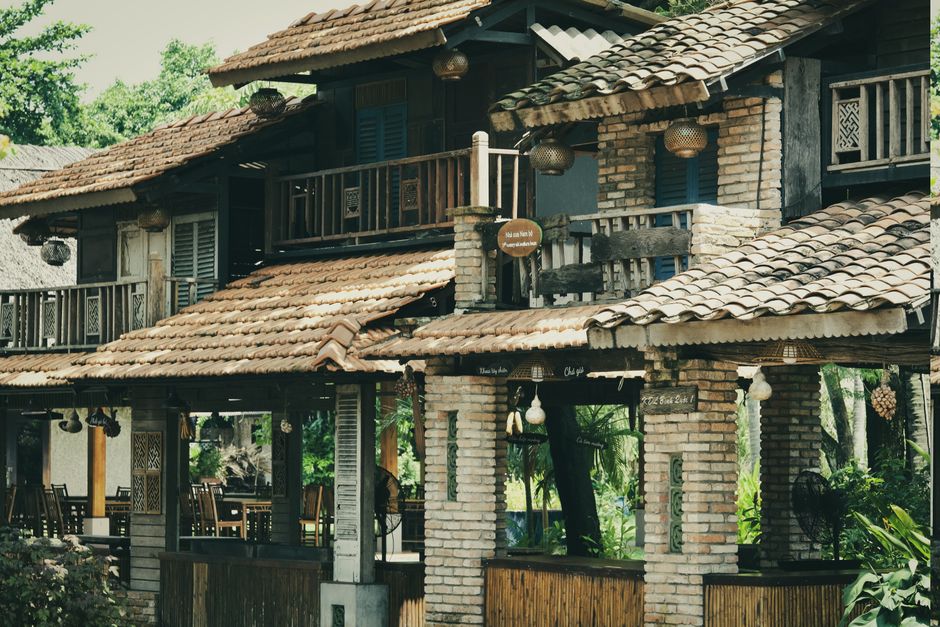
La Valeria is smaller — maybe 30 beds total — and it’s tucked into a quiet street in Laureles. The owner, Maria, runs a strict zero-waste kitchen. I watched her turn down a delivery of plastic-wrapped produce and send it back. That kind of commitment is rare.
The dorms have lockable under-bed storage, individual reading lights, and thick privacy curtains. Every room has a recycling station with clear labels in Spanish and English. They compost on-site and the garden produces herbs, tomatoes, and chili peppers used in the communal dinners.
Price: COP 50,000–60,000 per night. Safety: Key-card access on every floor, 24-hour reception, and Maria lives on-site. I never once felt uneasy walking back alone at 10 PM.
The tradeoff? No party vibe. If you want to drink until 3 AM, go somewhere else. La Valeria has quiet hours from 10 PM. But for solo female travelers who prioritize safety and sustainability, this is the best eco-friendly hostel in Medellín right now.
3. A Quick Verdict on Three More Hostels
I’ll keep this short. Here’s what I learned from the other places I tested:
- Los Patios Hostel — Great rooftop, strong recycling program, but the dorms are cramped. COP 40,000/night. Good for socializing, bad for sleeping.
- Viajero Medellín — Beautiful colonial building, but their “eco” credentials are limited to a sign asking you to reuse towels. COP 55,000/night. Overpriced for what you get.
- Black Sheep Hostel — Solid community vibe, free breakfast with local ingredients, but no composting or solar. COP 48,000/night. A decent fallback if Kiwi is full.
If I had to pick one for pure eco-performance, it’s Casa Kiwi. For solo female safety, La Valeria wins easily. The others are fine — but not remarkable.
4. Three Mistakes Solo Travelers Make When Booking Eco-Hostels in Medellín

I made all of these so you don’t have to.
Mistake 1: Trusting the word “eco” on Booking.com. Half the hostels I looked at claimed to be eco-friendly because they had a plant in the lobby. Check for specific practices: solar panels, composting, rainwater collection, bulk soap dispensers instead of tiny plastic bottles. If the hostel’s website doesn’t mention at least two of these, assume it’s marketing fluff.
Mistake 2: Staying in El Poblado because everyone says to. El Poblado is safe and full of hostels, but it’s also the most expensive and least authentic neighborhood. Laureles is quieter, greener, and has better access to local markets. I saved about COP 15,000 per night just by crossing the river.
Mistake 3: Not bringing a reusable water bottle. Medellín’s tap water is perfectly safe to drink. But most hostels still sell plastic bottles at reception. Bring a 1-liter bottle and fill it at the filtered water station every morning. You’ll save money and avoid contributing to the 700 tons of plastic waste Colombia generates daily.
5. How to Actually Book the Best Eco-Hostel for Your Trip
Here’s the system I use now. It takes ten minutes and has never failed me.
Step 1: Search on Hostelworld and filter by “Eco-Friendly” badge. This badge requires verified practices — solar, waste reduction, local sourcing. It’s not perfect, but it weeds out 80% of the fakes.
Step 2: Cross-check the hostel’s own website. Look for a “Sustainability” page. If it doesn’t exist, move on. If it does, look for specific numbers: “We reduced energy use by 30% in 2026” or “We compost 50kg of waste per week.” Vague statements like “we care about the planet” mean nothing.
Step 3: Read recent Google Reviews sorted by “Newest.” Search for keywords: “solar,” “compost,” “recycling,” “eco.” If multiple recent guests mention that the recycling bin was overflowing or the compost smelled bad, the hostel isn’t managing it properly.
Step 4: Book directly if possible. Hostels save 15–20% on commission and sometimes offer a discount for direct bookings. I got 10% off at Casa Kiwi by booking through their website.
6. The Bottom Line: Which Hostel Should You Choose?

Let me circle back to that 1,200 tons of composted waste. Medellín is genuinely trying to be a sustainability leader in Latin America. The city has bike lanes, electric buses, and a growing network of urban gardens. The worst thing you can do as a traveler is stay in a hostel that ignores all of that.
For solo travelers who want to meet people and minimize their footprint: book Casa Kiwi. It’s the best balance of social atmosphere, location, and real eco-practices.
For solo female travelers or anyone who values quiet, safety, and zero-waste rigor: book La Valeria. Maria runs the tightest ship I’ve seen in any hostel, anywhere.
For everyone else: skip the greenwashing, use the four-step booking system above, and don’t settle for a hostel that just puts a plant in the corner. Medellín deserves better. And so do you.

Best Hotels Ximending: Analysis of Taipei’s Most Vibrant District Accommodations

South Africa E-Visa Vs Traditional Visa: E-Visa vs. Traditional Visa: Which Route Gets You Into South Africa Faster?

7 Long-Haul Flight Gadgets That Actually Earn Their Space
About The Author
