
Airbnb Vs Boutique Hotels Italy Families: Airbnb vs. Boutique Hotels for Families in Italy (2026)
The lockbox code is wrong. It is 9:30pm in Rome, the kids are jet-lagged, and the host has not responded in two hours. This is not a rare horror story — failed or missed self-check-ins are the second-most cited complaint in Airbnb Italy reviews, after checkout cleaning fees that inflate the total price by 25–35% compared to what the listing displayed.
If you are planning a family trip to Italy in 2026 and trying to decide between Airbnb and a boutique hotel, the split answer most travel articles give you — “it depends on your budget” — is not useful. The real answer depends on trip length, the specific city, and how much friction your family tolerates in exchange for more square metres.
Total Cost for Five Nights: What the Listing Price Hides
Airbnb listings in Italy display a per-night rate that excludes three significant costs: the one-time cleaning fee (charged regardless of stay length), the Airbnb service fee (typically 14–16% of the pre-fee subtotal), and the local tourist tax. In Rome, Florence, and Venice, that tax runs €3–€7 per adult per night. For a family of four staying five nights, that is an extra €60–€140 before you factor in the other charges.
Boutique hotels roll cleaning costs into the nightly rate and include daily housekeeping. They collect the tourist tax separately, but the total bill is at least predictable at checkout.
| Cost Item | Airbnb (3-bed apartment, Rome) | Boutique Hotel (2 interconnecting rooms, Rome) |
|---|---|---|
| Displayed nightly rate | €180–€260 | €220–€380 |
| Cleaning fee (one-time) | €140–€220 | Included |
| Service fee (14–16%) | €130–€220 | Included |
| Tourist tax (4 adults, 5 nights) | €60–€140 | €60–€140 |
| 5-night total (estimated) | €1,230–€1,840 | €1,160–€2,040 |
The overlap is significant. On a five-night Rome stay, a mid-range Airbnb and two interconnecting boutique hotel rooms can land within €200 of each other. For stays shorter than four nights, boutique hotels almost always cost less in total because the Airbnb cleaning fee is fixed regardless of how long you stay.
Tip: Always toggle Airbnb’s price display to the “total” view before comparing options. The default per-night display routinely understates actual cost by 30–40% on Italian listings.
The Space-vs-Service Trade-off That Actually Matters for Families
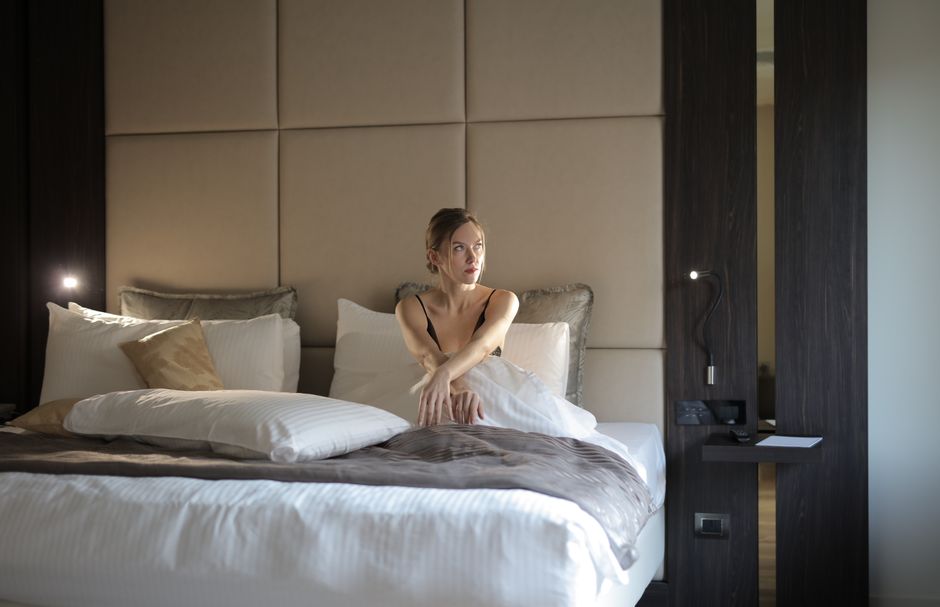
This is where most family booking decisions are actually made — and the analysis is more nuanced than the standard shorthand of “Airbnb gives you more space.”
Kitchen Access and the Real Grocery Math
Italy has one of the lowest restaurant price points in Western Europe for casual dining. A full pasta lunch for four in Florence runs €40–€60. The grocery argument for Airbnb is weaker in Italy than in, say, Norway or Switzerland. That said, a kitchen matters for families with toddlers who need food heated at 11pm, or for parents managing allergies who cannot rely on menu translation guesswork.
If the kitchen is your primary reason to book Airbnb, verify it is actually functional. A growing number of Italian Airbnbs — particularly in converted palazzo apartments — list a “kitchenette” that turns out to be one induction hob and a microwave inside a cupboard. Read reviews specifically for mentions of cooking before committing.
Connecting Rooms vs. an Apartment Floor Plan
Boutique hotels in Italy often occupy historic buildings, which means room sizes vary wildly even within the same property. A “family room” at Hotel Davanzati in Florence (a genuine boutique property at €160–€280 per night) sleeps four in a proper layout. But many Italian boutique hotels apply the “family room” label to a 22-square-metre space with a pull-out sofa crammed between the wardrobe and the bathroom door.
Interconnecting rooms are the safer boutique hotel configuration for families. Book them explicitly and confirm the connecting door is internal — some properties describe rooms as “interconnecting” when they share only a corridor, which is useless at 2am.
A three-bedroom Airbnb apartment in Rome’s Trastevere or Florence’s Oltrarno typically offers 90–130 square metres. That is genuinely more room than two hotel rooms. For families with children over 10 who want some independence, the apartment layout is hard to replicate at a hotel.
When Something Goes Wrong
Boutique hotels have a structural advantage that no star rating captures. A broken air conditioning unit in Rome in August, a blocked drain, a wifi router failure — at a hotel, you call reception and it gets resolved. On Airbnb, you contact the host, wait, and if they are unresponsive, escalate to Airbnb support, which can take 24–48 hours to reach a resolution. With children who need to sleep, that window is not an abstract inconvenience.
Rome, Florence, and the Amalfi Coast: Three Cities, Three Different Answers
Does Airbnb Make Sense in Rome?
Rome’s historic centre has been tightening short-term rental regulations since 2026. By 2026, properties in the Centro Storico and Trastevere require a valid regional identification code displayed on every listing. Properties operating without one face enforcement risk — and mid-stay enforcement action is not hypothetical. It has happened to families who booked through listings that appeared legitimate.
For Rome, vetted boutique hotels carry far less regulatory uncertainty. Properties like Inn at the Roman Forum and Palazzo Dama offer boutique-scale service with the legal security of a licensed hotel. Rates run €250–€500 per night for family configurations — expensive, but all-in costs often match a compliant Airbnb once every fee is added.
What About Florence?
Florence is arguably the strongest city in Italy for family Airbnb stays, provided you book in Oltrarno or San Niccolò rather than the tourist core near the Duomo. Apartments in those neighbourhoods tend to be larger, hosts more experienced, and prices relatively competitive. A three-bedroom Oltrarno apartment runs €200–€320 per night before fees — genuinely attractive over a full week.
Hotel Davanzati remains the clearest boutique hotel pick for families in Florence. Family rooms sleep four properly, the location on Via Porta Rossa puts you within walking distance of the major sights, and the breakfast is included in most rate packages.
Tip: Check whether the property’s tourist tax registration is current before booking either option in Florence. The municipality has been auditing both Airbnb listings and smaller hotels since late 2026.
Is the Amalfi Coast Different?
Yes. Significantly. The Amalfi Coast is the clearest case in Italy where boutique hotels win for families. The physical terrain — clifftop villages, hundreds of steps between road level and apartment entrances, narrow lanes inaccessible to standard vehicles — makes Airbnb self-check-in logistics genuinely risky with children and luggage. Several well-reviewed Positano listings involve a 15-minute uphill walk from the nearest vehicle access point. That detail appears in the fine print, not the listing headline.
Hotels like Hotel Santa Caterina in Amalfi (pool access, sea-view terraces, €380–€650 per night in high season) and Luna Convento (a 13th-century monastery conversion, €280–€450 per night) handle all arrival logistics — porterage, direct coastal access, a concierge who knows which boat taxi arrives on time. On this stretch of coastline, the boutique hotel premium is the cost of avoiding a genuinely stressful arrival.
Five Ways This Decision Goes Wrong
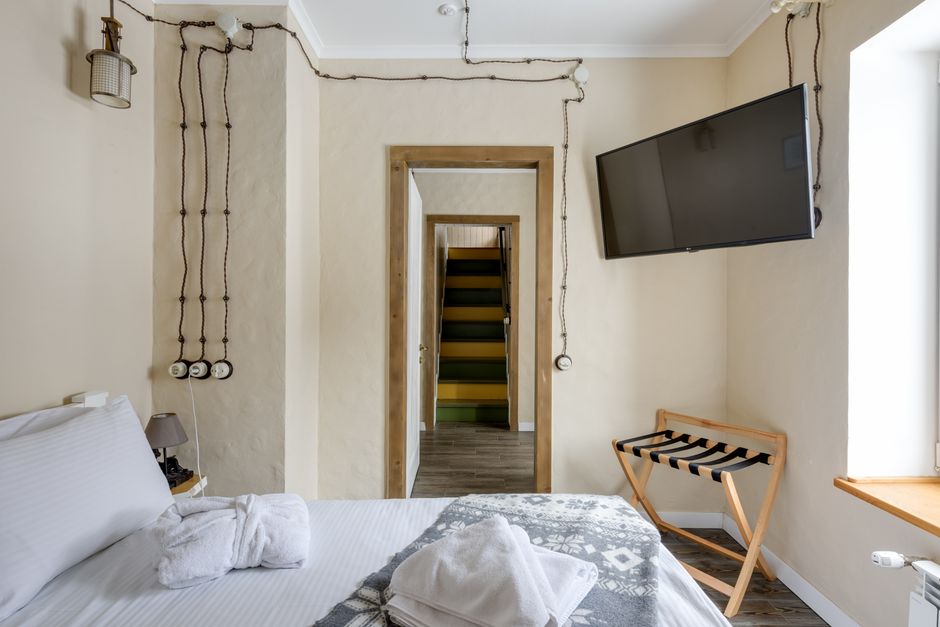
These are the failure modes that generate the most one-star reviews and cautionary posts in Italy travel forums. Most are avoidable with one extra step at booking time.
- Airbnb: check-in time inflexibility. Most Italian Airbnb hosts set strict 3–5pm windows. Flights to Rome and Florence often land at noon. You either pay for airport luggage storage or wander with bags for three hours.
- Boutique hotels: undersized family rooms. Historic preservation rules prevent many Italian boutique hotels from expanding rooms. Verify square footage in the listing description, not just the guest count.
- Airbnb: the cleaning fee trap on short stays. A €180 cleaning fee on a two-night booking adds €90 per night to the effective rate. Calculate all-in cost per night before comparing any two options.
- Boutique hotels: breakfast not included. Many Italian boutique hotels now charge separately for breakfast — €18–€30 per person. For four people, that is €72–€120 per day. Check the rate terms before booking.
- Airbnb: host cancellation risk. Italian Airbnb hosts cancel confirmed bookings at above-average rates, according to 2026 data from Altroconsumo, Italy’s leading consumer rights organisation. If your flights are non-refundable, a hotel’s cancellation policy is far more enforceable.
Boutique Hotels Worth Booking for Families (With Actual Prices)
Naming a category without naming properties is useless. Here are specific hotels with verified family suitability for 2026 travel.
Florence
Hotel Davanzati (Via Porta Rossa 5) offers family rooms sleeping four from €160–€280 per night, with breakfast included on BB rates. Staff speak fluent English and can organise Uffizi skip-the-line tickets. This is the clearest family boutique hotel recommendation in the city for children under 12.
Soprarno Suites, in the Oltrarno neighbourhood, offers suites with kitchenettes from €200–€350 per night — a middle ground between Airbnb flexibility and standard hotel service. Quieter residential setting, better suited to families who want to self-cater some meals without the Airbnb management overhead.
Rome
Palazzo Dama (Lungotevere Prati) runs from €280–€480 per night for family configurations and has a pool — a genuinely rare feature in central Rome. The pool justifies the premium in July and August. Hotel Raphael (Largo Febo 2, near Piazza Navona) offers properly connecting rooms from €220–€400 per night with a reliable service record and a rooftop terrace that works well for families.
Amalfi Coast
Hotel Luna Convento in Amalfi town (€280–€450 per night) is the most compelling option for families with older children. The saltwater pool carved into the cliff is the defining feature. Better suited to children 10 and over — the steps throughout the property are steep and numerous. Hotel Santa Caterina (€380–€650 per night, high season) is the premium option with the smoothest logistics for arrivals with younger children.
Tip: Both Booking.com and Mr & Mrs Smith list boutique hotels that do not appear on mainstream booking platforms, sometimes at rates below the hotel’s own direct price. Cross-check all three before committing.
Which Option Should Your Family Actually Book?
Book Airbnb if your family is staying seven or more nights in Florence or a Tuscan hill town, you have a child under three who needs kitchen access at irregular hours, and you are comfortable managing self-check-in logistics with a buffer built into your arrival day.
Book a boutique hotel if your stay is five nights or fewer (the cleaning fee destroys the value equation on short trips), you are visiting the Amalfi Coast or Sicily where terrain makes unassisted arrival genuinely difficult, or you are travelling with grandparents or anyone with mobility considerations.
For Rome in 2026 specifically: default to boutique hotels until the short-term rental regulatory situation stabilises. The licensing enforcement is real, and a mid-stay compliance issue with children in tow is not a recoverable holiday situation.
The boutique hotel market in Italy is actively expanding its family-focused inventory. Several properties have renovated in the last two years specifically for multi-generational travel, adding proper quad rooms and family suites that simply did not exist at this price point five years ago. The gap between Airbnb’s space advantage and a boutique hotel’s reliability is narrowing — and the calculus will likely shift further by 2027 as Italian short-term rental regulations continue to tighten.

Cay Tre Vietnamese Restaurant Shoreditch

Wine Bars in London

Platinum Yucatun Princess Hotel Playa Del Carmen
About The Author
