
3 Days in Singapore
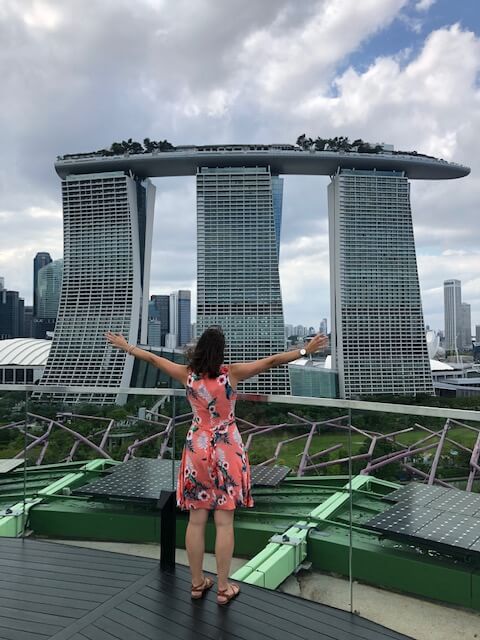
Singapore has one of the highest costs of living on Earth — and yet a full plate of chicken rice at a hawker centre costs less than $4 USD. That gap defines the city. Understand it and you’ll spend three days well. Miss it and you’ll leave having mostly paid hotel prices for a city that hides its best stuff in open-air food courts.
Three days is enough to hit every highlight without rushing. Most first-timers blow it by cramming too much into day one, skipping the ethnic enclaves, and spending a full day on Sentosa. This itinerary fixes that.
The Optimal 3-Day Singapore Itinerary
Singapore covers roughly 280 square miles. The MRT connects almost every tourist area. You don’t need a car or a tour guide — what you need is a smart sequence so you’re not zigzagging across districts every day.
| Day | Morning | Afternoon | Evening | Est. Cost (SGD) |
|---|---|---|---|---|
| Day 1 | Merlion Park, Civic District walk | Gardens by the Bay — Cloud Forest + Flower Dome | Supertree Grove light show + Marina Bay Sands SkyPark | $50–80 |
| Day 2 | Chinatown + Maxwell Food Centre | Little India — Sri Veeramakaliamman Temple, Mustafa Centre | Kampong Glam — Sultan Mosque + Haji Lane dinner | $30–50 |
| Day 3 | Sentosa Island — beach or Universal Studios Singapore | Cable car return or Harbourfront MRT | Orchard Road or departure prep | $60–150 (USS adds cost) |
Day 1 — Marina Bay and the Waterfront
Start at Merlion Park before 9am. Free entry, and the bay view with Marina Bay Sands in the background is the definitive Singapore photograph. By 9:30am the selfie queues start forming.
Head to Gardens by the Bay next. The outdoor Supertree Grove is free. The Cloud Forest conservatory ($28 SGD per adult) earns its price — a 35-metre indoor waterfall wrapped in tropical plants, and the air conditioning alone feels like a reward after walking in 31°C heat. Skip the Flower Dome if you’re pressed for time; Cloud Forest is the one that actually surprises people.
Save the Supertree Grove for after dark. The Garden Rhapsody light show runs at 7:45pm and 8:45pm nightly and costs nothing. The Marina Bay Sands SkyPark Observation Deck ($26 SGD for non-guests) delivers the best cityscape view in Singapore. Book online before you go — the queue at the counter wastes 30–45 minutes.
Day 2 — Chinatown, Little India, and Kampong Glam
This is the best food day of the three.
Start at Maxwell Food Centre (open from 8am, most stalls from 11am). Tian Tian Hainanese Chicken Rice — the stall Anthony Bourdain and Gordon Ramsay both made famous — is here. The chicken rice runs $5 SGD. Get there before noon or the queue becomes a real commitment.
Walk through Chinatown Street Market briefly, then take the MRT to Little India. The Sri Veeramakaliamman Temple on Serangoon Road is free to enter and architecturally vivid. Mustafa Centre nearby is a 24-hour department store that locals actually use — good for cheap electronics, spices, and an experience that has nothing to do with tourism.
End the day in Kampong Glam. The Sultan Mosque is free to visit — dress modestly. Haji Lane runs parallel to Arab Street and holds some of the better independent restaurants in the city. Blu Jaz Café is consistently good. Street shawarma stalls along Arab Street cover dinner comfortably under $10 SGD.
Day 3 — Sentosa and Orchard Road
If you’re going to Universal Studios Singapore ($81 SGD per adult), block the full morning. Ride queues are shortest before 11am. The Jurassic World Dominion ride and the Battlestar Galactica duelling coasters are the standouts. Budget 4–5 hours minimum.
If you’re skipping USS, half a day on Sentosa is plenty. The beaches are fine — but manufactured. You’re not getting Bali.
Orchard Road in the afternoon is optional. ION Orchard and Ngee Ann City are the flagship malls. Worth a walk if you’re a shopper. The MRT runs directly under the street along the North-South Line, so it costs you nothing but time.
Where to Eat in Singapore Without Blowing Your Budget
Singapore’s food scene is the strongest argument for adding an extra day. You can spend $3 SGD on a meal or $300, and both are defensible. But eating primarily at hotel restaurants is a real waste. The hawker centre is the correct answer for most meals.
Maxwell Food Centre — Start Here
Located in Chinatown, Maxwell runs daily and is the most approachable hawker centre for first-timers. Clear layout, no aggressive touting. Stalls worth finding:
- Tian Tian Hainanese Chicken Rice — $5 SGD per plate. Poached chicken, fragrant rice, chilli, dark soy, and ginger sauce. The definitive version in a city that debates chicken rice the way Naples debates pizza.
- Maxwell Fuzhou Oyster Cake — $1.50 SGD per piece. A deep-fried parcel of oysters and pork. Easy to walk past, worth finding.
- Fresh sugar cane juice — $2–3 SGD. Non-negotiable when it’s 31°C and humid before 10am.
Lau Pa Sat for Satay After Dark
Lau Pa Sat (Telok Ayer Market) is a Victorian cast-iron building in the CBD that functions as a hawker centre. Yes, it’s touristy. Go anyway — specifically for the outdoor satay street that sets up at 7pm on Boon Tat Street. Beef, chicken, and mutton satay runs $0.70–0.80 SGD per stick. Order 20 sticks and a Tiger Beer. That’s dinner for under $20 SGD without any planning required.
Newton Food Centre and the Chilli Crab Question
Newton Food Centre has a documented reputation for aggressive touting — operators drag you to a table and begin placing orders before you’ve agreed to anything. Counter it by walking the full perimeter first, choosing your stall deliberately, and agreeing on prices before you sit down. The chilli crab here is decent but overpriced versus the effort.
For chilli crab done properly, Jumbo Seafood at East Coast Park ($68–78 SGD per kg, with mud crab typically running 1.2–1.5kg) is the standard recommendation. Book at least a day in advance. It’s the one dinner worth spending real money on.
For breakfast at any point: Ya Kun Kaya Toast has branches near every major MRT station. A kaya toast set with soft-boiled eggs and kopi (local robusta coffee) costs under $7 SGD. It’s the correct Singapore breakfast. No debate.
Five Mistakes That Waste Half Your Singapore Trip
These errors appear consistently in first-timer trip reports and are entirely avoidable:
- Booking a hotel on Orchard Road. Convenient for shopping, isolated from everything interesting. Stay in Tanjong Pagar, Chinatown, or near Bugis for walkable access to real food and culture — often at lower prices.
- Ignoring the heat schedule. Singapore averages 31°C with 80%+ humidity year-round. Outdoor attractions before 10am or after 5pm. The middle hours belong to air-conditioned museums, hawker centres, and malls.
- Spending a full day on Sentosa without USS. Half a day is the correct allocation. Adventure Cove and Siloso Beach are pleasant. They are not why you flew to Singapore.
- Treating the ethnic enclaves as photo stops. Chinatown, Little India, and Kampong Glam are working, living districts. Eat there, walk the back streets, go inside the temples and mosques. A 30-minute pass-through misses the entire point.
- Paying Marina Bay Sands restaurant prices every night. Ce La Vi rooftop is worth one cocktail ($25 SGD) for the panorama. Dinner there runs $100+ per head. The food does not justify that when a hawker centre is a 10-minute walk away.
Marina Bay Sands vs. Sentosa — Where Your Time Actually Belongs
Marina Bay wins. It is not a close comparison. The area around the bay — Gardens by the Bay, the ArtScience Museum, the waterfront promenade — is the most distinctly Singaporean experience available to a visitor. Nothing else on Earth looks like it at night.
| Factor | Marina Bay Area | Sentosa Island |
|---|---|---|
| Unique to Singapore? | Yes — nowhere else looks like this | No — resort islands exist everywhere |
| Best for | First-timers, photographers, food lovers | Families with kids, theme park visitors |
| Cost range | $0–50 SGD (free to moderate) | $30–150 SGD (USS adds significantly) |
| Time needed | Full day plus evening | Half day (no USS) to full day (with USS) |
| Food options nearby | Excellent — hawker centres walkable | Average — resort pricing throughout |
The Case for Marina Bay Sands
The SkyPark Observation Deck ($26 SGD for non-guests) delivers a 360-degree view of the full skyline and the Strait of Malacca. The famous infinity pool is hotel guests only — but the observation deck has the better sightline anyway. The ArtScience Museum ($19 SGD, directly adjacent to MBS) runs rotating exhibitions that regularly justify the admission. And the Supertree Grove light show costs nothing. Marina Bay is the rare tourist area where the free stuff competes with the paid attractions.
Why Sentosa Takes More Time Than Expected
Getting to Sentosa already costs time. The Sentosa Express monorail from VivoCity mall is $4 SGD round trip. The Sentosa Boardwalk is free but takes 10–15 minutes each way on foot. The cable car from Mount Faber ($35 SGD round trip) is scenic but adds an entire side trip to your day.
Once inside, the island is larger than it appears on maps. Universal Studios Singapore warrants 4–6 hours if you’re riding everything. Without USS, Sentosa’s value proposition shrinks fast. It’s a good half-day if you have kids or want a beach. For everyone else, Marina Bay deserves that time instead.
Getting Around Singapore — MRT, Grab, and What to Skip
Singapore’s MRT is among the most reliable and cleanest metro systems in the world. For tourists covering the standard itinerary, it handles roughly 80% of transport needs. Knowing the setup before you land saves real time and money.
EZ-Link Card vs. Singapore Tourist Pass — Run the Numbers
Two practical options, both available at MRT stations and Changi Airport:
The EZ-Link card is the standard stored-value card used by locals. $12 SGD at any MRT counter (includes $7 SGD loaded credit, $5 SGD non-refundable card fee). Works on MRT, buses, and some taxis. The right choice if you’re staying more than 3 days or want flexibility beyond the tourist zones.
The Singapore Tourist Pass gives unlimited MRT and public bus rides for $10 SGD per day (1-day), $16 SGD (2-day), or $20 SGD (3-day), plus a refundable $10 SGD deposit returned when you hand the card back. For a packed 3-day schedule with 5+ MRT journeys daily, the pass frequently breaks even or saves money. The Day 2 route alone — Chinatown to Little India to Kampong Glam — covers at least 4 MRT trips at roughly $1.50–1.80 SGD each way under the standard fare.
Calculate based on your specific plan. High-transit days favor the Tourist Pass. Lighter, more walkable days favor EZ-Link.
The Three MRT Lines Tourists Actually Use
- North-South Line (Red): Orchard Road, City Hall, Marina Bay. The main tourist artery. Runs the length of the city centre.
- East-West Line (Green): Chinatown (Outram Park station), Tanjong Pagar, Bugis, and — critically — Changi Airport. Essential for Day 2 and airport transfers.
- Circle Line (Orange): Bayfront station is a 5-minute walk from both Gardens by the Bay and Marina Bay Sands. Use this to avoid transferring through City Hall.
Download MyTransport.SG or use Google Maps with transit directions. Both work accurately in Singapore — more reliable here than in most Southeast Asian cities.
When Grab Beats the MRT
Grab — Southeast Asia’s dominant ride-hailing app — makes sense in three specific situations: late-night travel after the MRT closes (last trains around midnight), moves involving heavy luggage, and reaching spots not well-served by rail.
For the airport: Changi Airport MRT connects directly to the city via the East-West Line in about 30 minutes for $2.50–3 SGD all-in. A Grab from Changi to the city centre runs $20–35 SGD depending on traffic and surge pricing. Take the MRT unless you arrive after midnight or have three bags between two people.
Traditional taxis still operate throughout Singapore — metered and reliable — but they cost 30–50% more than Grab for equivalent routes. Skip them unless Grab is surging during peak hours and you’re in a hurry.
Every attraction in Singapore is easier to reach than you expect, every meal is cheaper than the hotel would have you believe, and the hawker centre is always the right call.

Greece Hotels Ranked: Which Islands Deliver the Best Value

Travel Credit Card vs. Hotel Card: Decoding Your Best Rewards

Maharashtra’s Best Destinations: Uncovering Hidden Gems & Iconic Sights
About The Author
