
Costa Rica Travel Guide 2026: Why “Pura Vida” Isn’t Just a Phrase (And What Tourists Get Wrong in Costa Rica)
I landed in San José with a backpack and a dream. Six months later, I’d spent $4,200 more than I planned, gotten stuck on a gravel road for 5 hours, and learned that “Pura Vida” doesn’t mean what the brochures tell you. Here’s the real guide—the one I wish I’d read.
Why Everyone Misses the Real Meaning of Pura Vida
Tourists think Pura Vida means “pure life” or “happy-go-lucky.” It doesn’t. Locals use it as a greeting, a goodbye, an “I’m fine,” and a “chill out” all at once. But the deeper meaning? It’s about not rushing. It’s about accepting what you can’t control—like a bus that’s 45 minutes late or a trail that’s suddenly closed.
Most visitors arrive with a 10-day itinerary crammed with 5 national parks. They leave exhausted and broke. The locals shake their heads. That’s not Pura Vida. That’s a checklist.
Here’s what I learned the hard way: plan for half of what you think you can do. Costa Rica’s roads are slow. Distances on Google Maps are lies. A 2-hour drive often takes 4. Build in buffer days. Your sanity depends on it.
The 3 Biggest Money Mistakes First-Timers Make
I watched a couple at the Liberia Airport pay $120 for a shared shuttle to Tamarindo. I paid $8 for the same ride on a public bus. That’s the difference between planning and not.
Mistake 1: Booking All-Inclusive Resorts
Resorts are expensive and isolated. You pay $300/night for a room and $40 for a mediocre dinner. Meanwhile, a cabina in La Fortuna costs $60/night and comes with breakfast, plus the owner will tell you which waterfall is actually worth the hike. I stayed at Hotel Lomas del Volcán for $55/night—private room, hot water, volcano view. No pool, but who cares?
Mistake 2: Not Using Local ATMs
Exchange booths at the airport give you rates 8–10% below market. Use a Banco Nacional or BAC Credomatic ATM instead. Withdraw the max each time (about $400 equivalent) to minimize fees. My Schwab card refunded all ATM fees. That saved me roughly $60 over 6 weeks.
Mistake 3: Buying Water at Hotels
Tap water is safe in most of the country. I drank it in San José, La Fortuna, and Monteverde with zero issues. Buy a reusable bottle with a filter—I used the Grayl Geopress ($85). Saved me at least $2/day on plastic bottles. That’s $60 for a month.
Where to Actually Go (And What to Skip)
Manuel Antonio is beautiful but overrun. I counted 200 people on one trail. Skip it if you hate crowds. Go to Corcovado National Park instead—it’s wilder, emptier, and has more wildlife. You need a guide, but it’s worth the $50.
Monteverde Cloud Forest? Yes, but only if you stay 2 nights minimum. The Curi-Cancha Reserve is cheaper and quieter than the main reserve. I saw a quetzal there on my second morning. The main reserve was packed with tour groups by 8 AM.
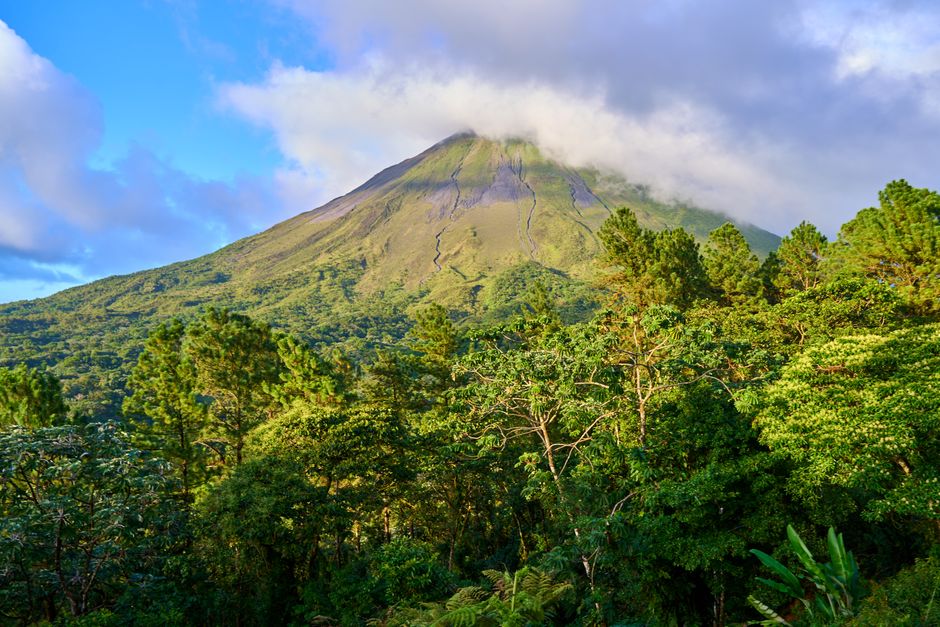
Arenal Volcano area is worth it for the hot springs. The free ones along the river near Tabacón are actually better than the $80 resort ones. Just bring a flashlight and go after dark—the water is warmest then.
Transportation: The Thing Nobody Warns You About
Renting a car sounds smart until you hit a pothole that swallows your tire. I rented from Vamos Rent-a-Car ($35/day including insurance) and still got a flat on the road to Monteverde. The gravel roads are brutal. A 4×4 is not optional if you leave the main highways.
Public buses are cheap and reliable. Transpuntarenas runs the main routes. A bus from San José to La Fortuna costs $8 and takes 4 hours. The same shuttle costs $50. The bus is fine—just bring snacks and don’t expect AC.
Domestic flights with Sansa Airlines are worth it for long distances. San José to Puerto Jiménez is $80 one-way and takes 45 minutes. The same drive is 6 hours. Book early—prices double last-minute.
Safety: What’s Real vs. What’s Overblown
I walked around San José at night alone. I’m a medium-sized guy. I didn’t feel unsafe, but I also didn’t flash my phone. The real danger isn’t violent crime—it’s scams and theft. Tourists get their bags stolen at bus stations every day. Keep your backpack in front of you. Don’t leave your phone on the table at a café.
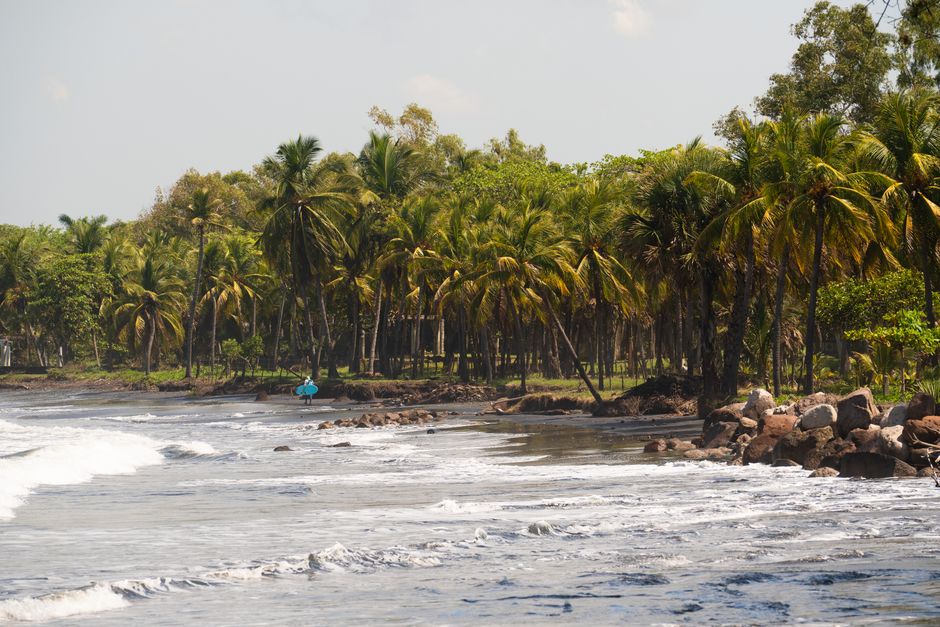
The biggest safety issue? Riptides. Guanacaste beaches have strong currents. In 2026, 12 tourists drowned on the Pacific coast. Never swim alone. Look for flags—red means stay out. I saw a guy ignore a red flag at Playa Conchal. The lifeguard had to pull him out.
When NOT to Visit (And Why You Should Avoid August)
Everyone says “green season” is fine. They’re lying. August is the rainiest month. I spent 3 days in Manuel Antonio watching it pour. Trails were mud pits. Sloths were invisible. I’d take December or January instead—still green, but you actually see the sun.
Also avoid Easter week (Semana Santa). Everything doubles in price. Beaches are packed. Locals are on vacation. It’s like Times Square on New Year’s. Not worth it.
If you must go in rainy season, stick to the Guanacaste area (Pacific north). It’s drier than the Caribbean side. Tamarindo and Nosara get less rain than La Fortuna or Puerto Viejo.
Budget Breakdown: What It Actually Costs (2026)
| Item | Budget | Mid-Range | Luxury |
|---|---|---|---|
| Accommodation (per night) | $25–40 (hostel dorm) | $60–100 (private cabina) | $200+ (resort) |
| Meals (per day) | $15–20 (sodas + street food) | $30–40 (restaurants) | $80+ (fine dining) |
| Transport (per day) | $5–10 (public bus) | $25–40 (shuttle + some flights) | $60+ (rental car + gas) |
| Park entrance fees (per park) | $15–18 | $15–18 | $15–18 |
| Guide (half-day) | $30–40 | $50–60 | $80+ |
Total for 2 weeks (mid-range, solo): roughly $1,800–$2,200 including flights from the US. If you go budget and share rooms, you can do $1,200. But don’t skip the guides—they see things you won’t.
One last thing: tip in cash. Most places add 10% service, but guides and drivers expect a bit extra. $5–10 per person for a full-day tour is standard. Don’t tip at sodas (local diners). They don’t expect it.
The single most important takeaway: Slow down, skip half your itinerary, and let Costa Rica show you what Pura Vida actually means.

Best Hotels Ximending: Analysis of Taipei’s Most Vibrant District Accommodations
Camping Gear for Kauai: What the Climate Actually Demands

Best Eco-Friendly Hostels In Medellín For Solo Travelers: I Stayed in Medellín’s Best Eco-Hostels: 6 Picks for Solo Travelers
About The Author
