
Sri Lanka in February: A 10-Day Dry-Season Route
February is one of the easiest months to combine Sri Lanka’s Cultural Triangle with the south coast. The southwest coast usually has warm, beach-friendly weather, while the ancient cities stay dry enough for early-morning sightseeing. This route keeps travel realistic and leaves enough time for temples, wildlife, mountains and the sea.
What is the best 10-day Sri Lanka route in February?
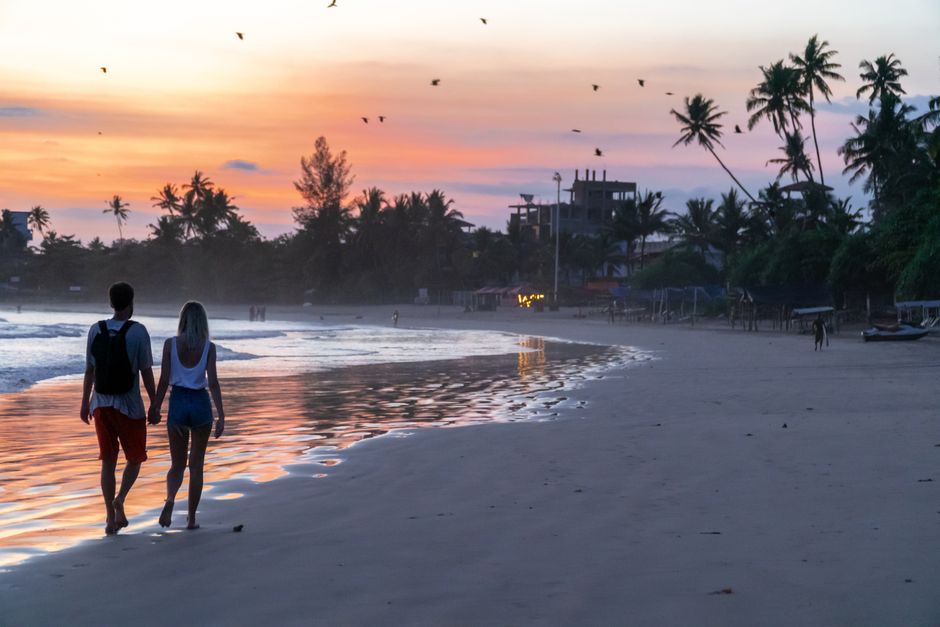
This route gives the Cultural Triangle three active days, the hill country two nights, and the south coast the final three nights. The clear recommendation is to travel in one direction instead of returning to Colombo between regions.
| Day | Base | Main plan | Typical travel time |
|---|---|---|---|
| 1 | Dambulla | Airport transfer, rest and Dambulla Cave Temple | 3 to 4 hours from Colombo airport |
| 2 | Sigiriya | Sunrise at Sigiriya Rock and village or lake visit | 30 to 45 minutes |
| 3 | Kandy | Polonnaruwa in the morning, then continue to Kandy | 5 to 6 hours with stops |
| 4 | Kandy | Temple of the Sacred Tooth Relic and Kandy Lake | Local sightseeing |
| 5 | Ella | Scenic train or road journey through the highlands | 5 to 7 hours |
| 6 | Ella | Little Adam’s Peak, Nine Arch Bridge and a tea estate | Short local transfers |
| 7 | Tissamaharama | Transfer toward Yala and rest before safari | 3 to 4 hours |
| 8 | Mirissa | Morning safari, then continue to the coast | 3 to 4 hours |
| 9 | Unawatuna or Galle | Beach time, Galle Fort and the south coast | 1 to 2 hours |
| 10 | Departure | Leave from the south coast or transfer to the airport | 2.5 to 4 hours |
The route works best with a driver for the long transfers and a train ride between Kandy and Ella if seats are available. If your international flight leaves early on day 10, sleep near the airport on day 9 instead of gambling on a same-day transfer from Mirissa.
How should you spend the first three days in the Cultural Triangle?
Verdict: use Dambulla as the first base and visit Sigiriya at sunrise. This avoids a rushed arrival and puts the hardest climb at the coolest part of the day.
- Day 1: arrive through Dambulla. The drive from Bandaranaike International Airport can take three to four hours, depending on traffic. Do not schedule Sigiriya Rock after a long flight. Visit Dambulla Cave Temple only if you arrive with enough daylight and energy. The complex sits on a hill, and the final climb feels harder in afternoon heat. Stay in Dambulla or nearby Habarana.
- Day 2: climb Sigiriya early. Arrive near opening time, carry water and allow two to three hours for the rock, gardens and descent. The climb includes steep stairways and exposed sections, so sandals with poor grip are a bad choice. After lunch, choose a slow activity such as a village walk, a tank visit or an elephant-free wildlife outing. Avoid packing another major ruin into the same afternoon.
- Day 3: choose Polonnaruwa before Kandy. Polonnaruwa spreads across a large archaeological zone, so a bicycle or arranged vehicle saves time. Focus on the Royal Palace area, the Quadrangle and Gal Vihara rather than trying to inspect every monument. Leave after lunch for Kandy. The road journey can take five to six hours, which makes an evening arrival more sensible than adding another temple stop.
The common mistake here is treating the Cultural Triangle like a compact museum. It is a wide rural region. Three well-planned days give you better photographs, less heat exhaustion and enough time to understand how the ancient capitals differed.
Should you take the train from Kandy to Ella?
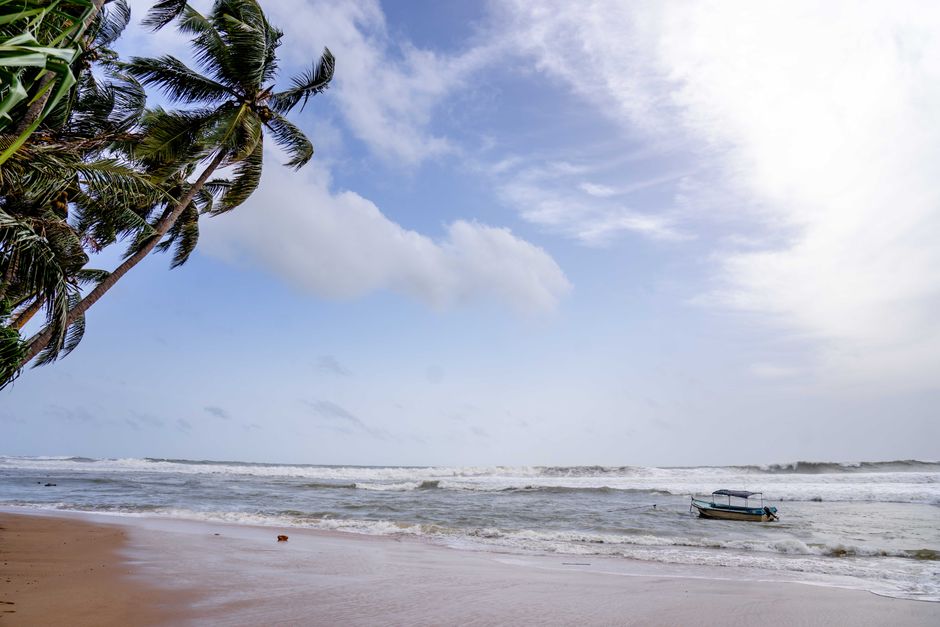
Verdict: take the train for the scenery, but keep a road transfer as your practical backup. The famous Kandy-to-Ella journey can be beautiful, yet reserved seats sell out and delays can consume half a day.
Is the train worth the risk?
Yes, if the journey itself matters to you. The route passes tea country, steep valleys and small stations that you cannot experience from a highway. Book an allocated seat through an official channel or a trusted local operator, and avoid building a fixed attraction around the arrival time. A late train can turn an easy evening in Ella into a dark, tiring arrival.
When is a car the better choice?
Choose a car if you have limited mobility, large bags, children who need predictable breaks or a fixed booking in Ella. A road transfer normally takes five to seven hours with stops. It also lets you pause at viewpoints and tea areas, though the mountain roads can feel winding. The car wins for control; the train wins for atmosphere.
How should you structure Ella?
Give Ella two nights. On the first day, settle in and walk to Nine Arch Bridge if daylight remains. On the second, visit Little Adam’s Peak early, then add a tea estate or a shorter waterfall stop. Do not schedule Ella Rock, a long train ride and Yala on the same day. That plan looks efficient on a map but leaves no margin for weather or delays.
The route needs one rule: never make a fragile connection on the day of an international flight. Use Ella for scenery, not as a transit box to tick.
Mirissa or Galle: which south-coast base is better in February?
Both places work, but they serve different travel goals. Choose Mirissa for swimming, a relaxed beach stay and an early whale-watching departure. Choose Galle or Unawatuna for history, restaurants, easier cultural sightseeing and a shorter final transfer toward Colombo.
| Base | Best for | Strength | Trade-off |
|---|---|---|---|
| Mirissa | Beach time and marine trips | Compact sandy bay and easy access to boat operators | Busier mornings and uncertain whale sightings |
| Weligama | Long beach and beginner surfing | More open space and a broad bay | Less atmospheric than Galle Fort |
| Unawatuna | Swimming close to historic sites | Short ride to Galle and several sheltered coves | Can feel crowded in peak season |
| Galle | History and a simpler departure | Fort walls, galleries and strong restaurant choice | The town itself is not the best beach base |
The best two-night choice
For a first trip, spend one night in Mirissa and one night in Galle or Unawatuna if you want both beach and history. If that feels too rushed, pick Mirissa for a pure coast finish or Galle for a more balanced final stop. Do not book a whale-watching trip as the single reason for the entire route. Boats can cancel, and sightings are never guaranteed.
What should you pack and book for Sri Lanka in February?
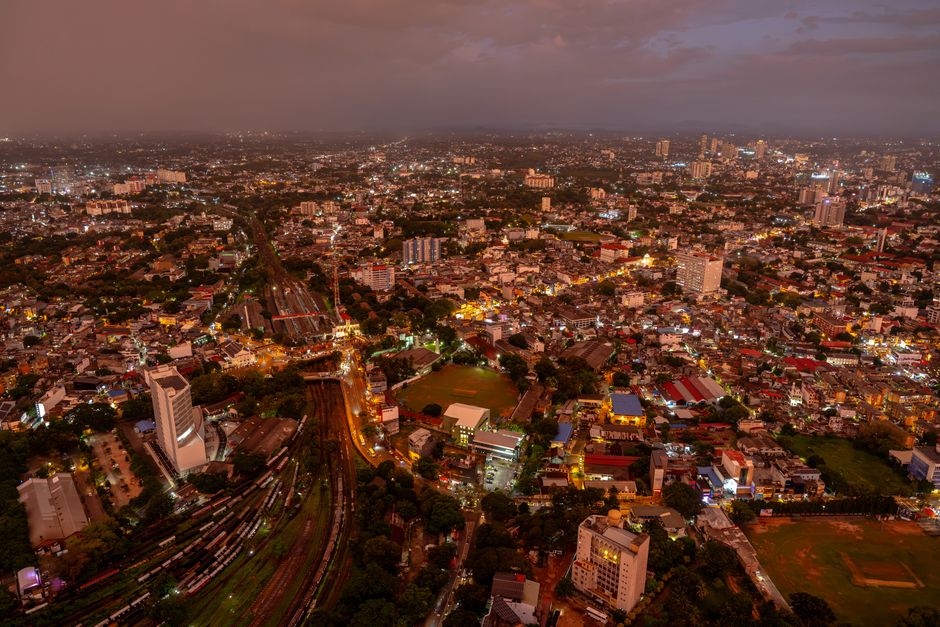
Verdict: pack for heat, temple rules and sudden changes in altitude. A light bag makes the transfers between Dambulla, Kandy, Ella and the coast far easier.
Pack for four different climates
- Light, breathable shirts and trousers for the dry-zone heat.
- Shoulders-and-knees coverage for temples and sacred sites.
- One warmer layer for Ella evenings and air-conditioned vehicles.
- Closed shoes with grip for Sigiriya, uneven ruins and hill paths.
- Swimwear, sun protection and a dry bag for the south coast.
- Reusable water capacity, insect repellent and basic medicine.
Book the fragile parts first
Reserve your first two nights, your Ella accommodation and any long-distance train seats before arrival. Keep safari and whale-watching plans flexible enough to move by one day. February is popular, so good rooms near Sigiriya, Ella and Mirissa disappear before less central options. Ask each hotel about driver parking, late arrival and luggage storage rather than assuming every property handles transfers the same way.
Carry small cash for rural food stops and temple donations, but do not keep all of it in one place. Bring a photocopy or secure digital copy of your passport, and save your accommodation addresses offline. These small preparations matter more than filling every hour of the itinerary.
Which mistakes can ruin a February itinerary?
My strongest recommendation is to protect your final night. Do not spend it in Ella, Yala or Mirissa before an early international flight. Sri Lanka’s roads can be slow, and a scenic route becomes stressful when a missed connection has real consequences.
- Trying to see both coasts: The east coast and south coast do not belong in this 10-day plan. Crossing the island adds long road days without improving the core experience.
- Climbing Sigiriya at midday: February sun on bare rock can turn a memorable visit into a dehydration problem. Start early and carry water.
- Overloading the cultural days: Dambulla, Sigiriya, Polonnaruwa and Kandy each deserve attention. Treating them as quick photo stops weakens the whole route.
- Assuming the train runs to your timetable: Use the train as a highlight, not as the only link to a prepaid activity.
- Booking a safari for guaranteed wildlife: Yala offers strong chances to see elephants, crocodiles and birds, but no responsible operator can promise a leopard.
- Leaving no weather buffer: Keep one flexible afternoon for rain, delayed trains, rough seas or simple fatigue.
For most travelers, the best version is three nights around the Cultural Triangle, two nights in Ella, one night near Yala and three nights on the south coast, with the last night close to the airport when the flight leaves early. That is the route I would choose for Sri Lanka in February: ambitious enough to show the island’s range, but paced tightly enough to remain enjoyable.
Best Eco-Friendly Boutique Hotels in Costa Rica: 5 2026 Picks

Bangkok Street Food: A First-Timer’s Guide to the Food Markets
Kyoto Travel Guide 2026: 4 Days of Real Culture
About The Author
