
Kyoto Travel Guide 2026: A 4-Day Culture Itinerary
Are you trying to see Kyoto’s major temples, historic districts, and food streets in four days without turning the trip into a queue-to-queue race? The best answer is a route built around neighborhoods, early starts, and one major cultural area each day.
This Kyoto travel guide favors depth over checklist tourism. You will see famous landmarks, but you will also leave space for quiet lanes, gardens, tea houses, and the small details that make the city feel different from Tokyo or Osaka. Prices and operating details can change, so check official pages shortly before departure.
How do you spend four days in Kyoto without rushing?
What is the right pace for a culture-focused trip?
The clear verdict is to visit two or three major sites before lunch, then slow down in the afternoon. Four days can cover Higashiyama, Fushimi, Arashiyama, northern Kyoto, and central Kyoto, but only if you group each day geographically. Crossing the city for every sight wastes time on crowded roads and leaves little energy for the places you came to experience.
Start early at the most popular temples. Kiyomizu-dera opens at 6:00 a.m., giving you a quieter first visit before the busiest tour groups arrive. Save shopping, cafés, and river walks for late afternoon, when the light softens and the city becomes easier to enjoy on foot.
Where should you stay?
For a first visit, stay around Shijo-Kawaramachi, Gion-Shijo, or near Sanjo. These areas put restaurants, the Kamo River, Gion, Nishiki Market, and several train lines within reach. Kyoto Station is practical for luggage and day trips, but it feels less intimate at night. Choose Higashiyama only if you value atmospheric lanes more than quick transport connections.
The best base for this itinerary is Shijo-Kawaramachi. It gives you the strongest balance of evening atmosphere, dining choices, and access to eastern and northern Kyoto.
What is the best four-day Kyoto itinerary?
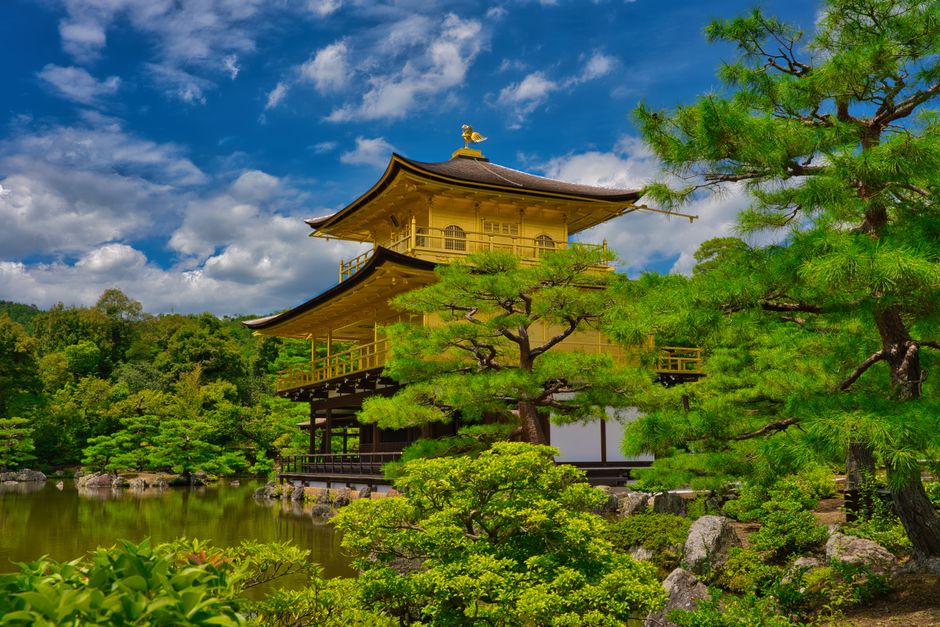
This route places the busiest landmarks at the start of the day and keeps each afternoon flexible. The order works in every season, although autumn foliage and spring blossoms require earlier starts and more patience.
| Day | Morning | Afternoon and evening | Verdict |
|---|---|---|---|
| 1 | Kiyomizu-dera at 6:00, then Sannenzaka and Ninenzaka | Yasaka Shrine, Gion, Hanamikoji, and a Kamo River dinner | Best introduction to Kyoto’s old streets and religious architecture |
| 2 | Fushimi Inari Taisha before 8:00, then Tofuku-ji | Fushimi sake district and a relaxed evening in Gion | Best day for shrine rituals, torii gates, and local history |
| 3 | Arashiyama Bamboo Grove before 8:00, Tenryu-ji, and Okochi Sanso | Walk beside the Katsura River and visit a smaller temple or garden | Best choice for landscapes and a slower afternoon |
| 4 | Nijo-jo Castle, then the Kyoto Imperial Palace area | Kinkaku-ji at 9:00, Nishiki Market, and final shopping | Best close to the trip because it combines power, art, and daily life |
Allow at least 90 minutes for Kiyomizu-dera and its surrounding lanes. Kinkaku-ji generally welcomes visitors from 9:00 a.m. to 5:00 p.m., while Nijo-jo Castle accepts visitors from 8:45 a.m. until 4:00 p.m. and closes the grounds at 5:00 p.m. These times make Day 4 the most schedule-sensitive day.
For an official opening-time check, use the Kiyomizu-dera visitor information and the Nijo-jo Castle website before leaving your hotel.
Which Kyoto transport ticket should you use?
For most visitors, the winning strategy is simple: use an IC card for ordinary travel and buy a day pass only when the numbers clearly work. Kyoto is not a city where one ticket covers every useful route. Trains are often faster than buses, while buses reach temple districts that rail lines miss.
| Transport product | Price or feature | Best use | Verdict |
|---|---|---|---|
| ICOCA | Reusable stored-value IC card; fare deducted per ride | Mixed train, subway, and short trips | Best default for a flexible four-day visit |
| Kyoto Subway & Bus 1-Day Pass | ¥1,100 adult; unlimited eligible subway and bus rides for one day | A day with several bus and subway journeys | Best for central Kyoto when you will ride at least three times |
| Kyoto City Subway 1-Day Pass | ¥800 adult; unlimited Kyoto City Subway rides | Nijo-jo, Kyoto Station, northern and southern subway stops | Best when your route stays close to subway stations |
| Kyoto/Arashiyama 1-Day Pass | ¥1,400 adult during listed 2026 sales periods | Hankyu, Randen, and Kyoto Bus travel around Arashiyama | Best for a dedicated Arashiyama day |
| JR Kansai Airport Limited Express HARUKA | Eligible visitor fare listed at ¥2,200 one way to Kyoto | Direct KIX-to-Kyoto transfer in about 80 minutes | Best arrival option when landing at Kansai International Airport |
Do not buy a pass simply because it sounds cheaper. If you take two rides and walk between nearby sights, an IC card usually wins. The official Kyoto transport guide lists current pass coverage, sales periods, and excluded routes. Recheck it before travel, especially for seasonal Arashiyama tickets.
How do you experience Kyoto respectfully?
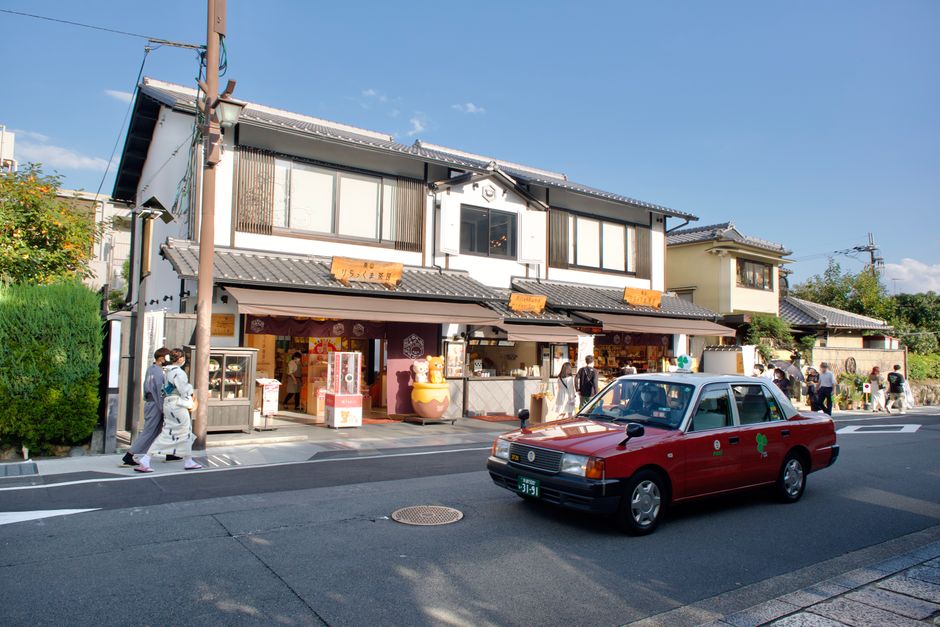
What should you do inside temples and shrines?
Kyoto’s religious sites are not themed attractions. They remain places of worship. Speak quietly, stay on marked paths, and do not climb barriers for a photograph. At a shrine, a short bow before the torii signals that you understand you are entering a sacred space. At a temple, follow posted instructions about shoes, photography, and restricted rooms.
Fushimi Inari Taisha is open-air and free to enter, but the torii paths are still a working religious site. Keep food and drinks to marked areas, do not block narrow paths for photographs, and leave private spaces alone. The main shrine area is busy; walking higher up Mount Inari usually brings a quieter experience, but the full climb can take two to three hours.
How can you find a more personal side of the city?
Spend one hour without a landmark target. Walk from Gion toward the Kamo River, explore the lanes around Nishijin, or sit in a garden without taking out your phone. Kyoto’s character often appears in ordinary details: a noren curtain, a neighborhood jizo statue, a wooden townhouse entrance, or the sound of a bicycle on a narrow lane.
What should you eat?
Do not reserve every meal around one famous restaurant. Mix one planned dinner with casual soba, tofu cuisine, grilled fish, bakery breakfasts, and market snacks. Nishiki Market is useful for sampling, but it is a working food street rather than a place for careless eating while walking. Buy small portions, stand where vendors allow it, and dispose of rubbish properly.
The strongest cultural choice is to protect unplanned time. A packed schedule shows you more addresses; a measured schedule lets you remember the city.
What can ruin a four-day Kyoto trip?
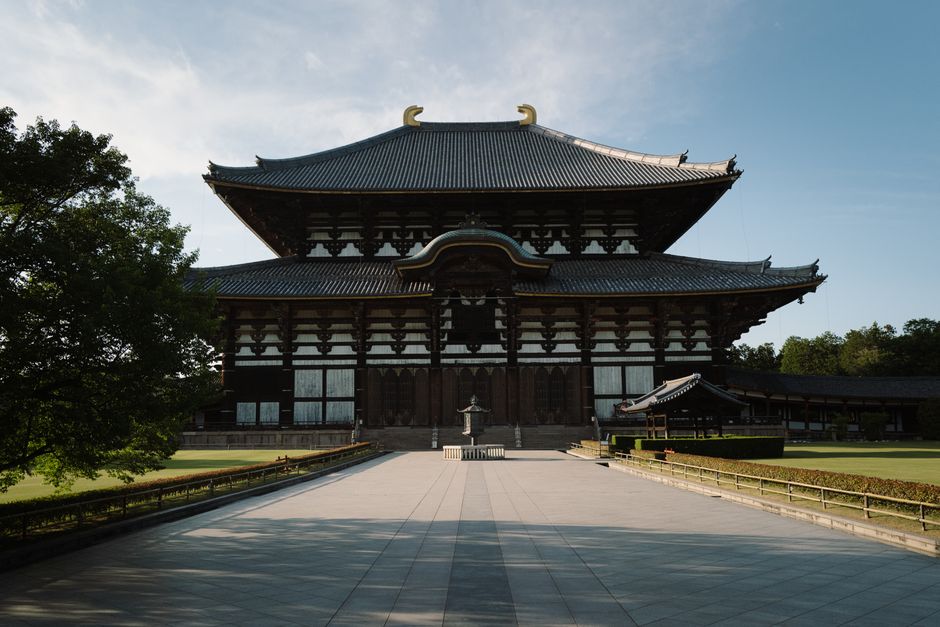
The biggest mistake is treating Kyoto as a collection of isolated photo stops. Avoid these five failure points.
- Starting late at every famous site. Arriving at Kiyomizu-dera or Arashiyama after mid-morning means sharing narrow spaces with large groups. Put one major landmark first each day.
- Using buses for every journey. Traffic can make a short route painfully slow. Compare subway, train, walking, and bus options before leaving the hotel.
- Scheduling distant districts together. Fushimi, Arashiyama, and northern Kyoto belong on separate days. Combining them creates long transfers and a rushed evening.
- Ignoring closure days and reservations. Nijo-jo Castle has scheduled palace closures, and special exhibitions can change opening details. Confirm the official site before committing to a timed plan.
- Assuming entry rules will stay unchanged. Passport validity, visa rules, and arrival procedures can change by nationality. Check Japan’s official government guidance before booking flights. This is not legal advice — consult a licensed attorney for a question about your individual immigration status.
Kyoto rewards travelers who leave room for weather, tired feet, and unexpected discoveries. Four days are enough for a strong first visit when the route stays compact and the schedule gives each place time to breathe.
Packing List vs BOL: Which Travel Shipping Document Do You Need?

Best Eco-Friendly Boutique Hotels in Costa Rica: 2026 Picks
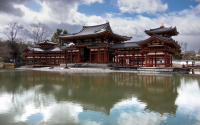
Kyoto Travel Guide 2026: A Four-Day Cultural Itinerary
About The Author
