
Budget Travel Norway: 7 Ways to Spend Less
Can you travel around Norway without spending a fortune? Yes, but only if you stop trying to see the entire country in one trip. Norway rewards slow travel, self-catering, public transport, and outdoor days. It punishes rushed itineraries, airport taxis, daily restaurant meals, and expensive fjord packages bought at the last minute.
A realistic budget traveller should plan around NOK 850 to NOK 1,300 per person per day, excluding international flights. That range covers a hostel bed or campsite, supermarket food, local transport, and mostly free activities. A private hotel room, rental car, or paid cruise can push the daily cost far higher.
What Does Budget Travel in Norway Really Cost?
Norway is expensive at the point of purchase, but the country also gives you unusually good ways to avoid spending. Mountains, beaches, waterfalls, city walks, and many viewpoints cost nothing. The trick is to spend your money on the parts that move you between places and keep the rest simple.
| Expense | Budget target | How to keep it low |
|---|---|---|
| Bed or campsite | NOK 250–700 per person | Use hostels, shared rooms, tents, or basic cabins |
| Food | NOK 180–350 per day | Buy breakfast, lunch, and dinner from a supermarket |
| Local transport | NOK 60–180 per day | Walk in cities and buy regional tickets before departure |
| Long-distance travel | NOK 100–500 per travel day | Book early and stay longer in each region |
| Activities | NOK 0–250 per day | Choose hikes, public parks, swimming spots, and scenic walks |
Use Norwegian kroner as your control number
Visit Norway lists an average hotel room at about NOK 1,725 per night in its 2026 price guide. A basic campsite cabin can start around NOK 700, while a budget restaurant meal often costs NOK 190 to NOK 350. Those figures explain why a room shared by two people may be manageable, while a solo hotel trip becomes expensive quickly.
Set a daily ceiling before you book
Give yourself a hard ceiling of NOK 1,000 per day for a hostel-based trip. Allow extra money for long train rides, ferries, and one paid experience. If a day costs NOK 1,800 because of a cruise or private transfer, balance it with two hiking days that cost almost nothing.
Choose One Norwegian Region, Not the Whole Country
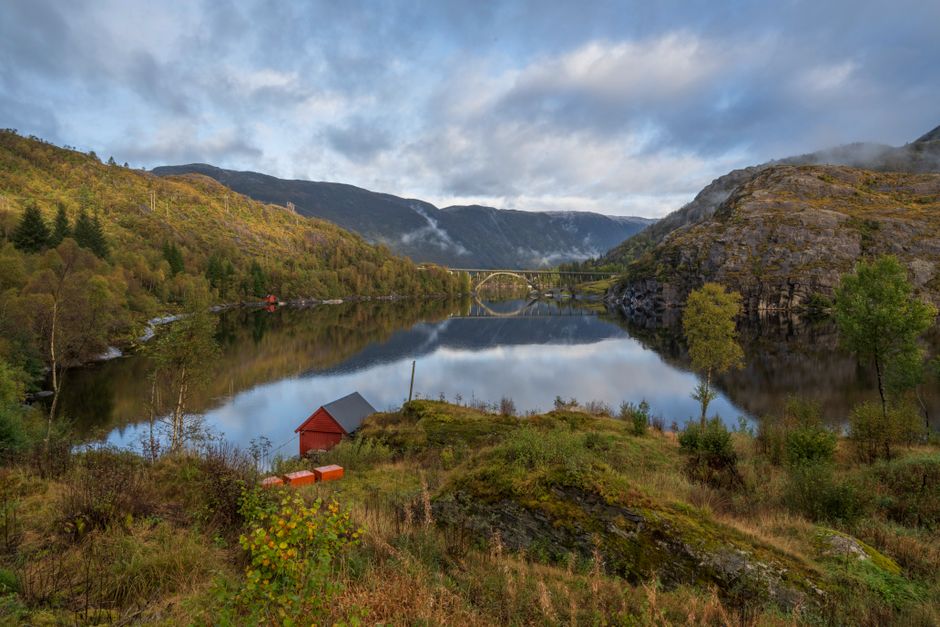
The cheapest Norway itinerary is a focused one. Oslo and the surrounding fjord region work well for a short city-and-nature trip; Bergen and nearby villages suit travellers who want western scenery; Trondheim gives you a compact historic city with easy day walks. Lofoten, Tromsø, and the North Cape are excellent, but the distances and transport costs make them poor choices for a very tight first-time budget.
For seven days, pick Oslo or Bergen
Oslo is the easier budget base because it has a broad public transport network, free waterfront walks, forest trails, museums with occasional free periods, and supermarkets close to central accommodation. Bergen wins if dramatic scenery matters more than city attractions. You can walk through the old harbour, climb Fløyen, and reach nearby trails without hiring a car.
For a longer trip, add only one nearby area
Add Voss to Bergen, or Lillehammer to Oslo, rather than crossing the country every other day. Fewer check-ins mean fewer connection risks, luggage problems, and expensive meals eaten at stations. Staying three nights in one place also lets you buy food in larger quantities and cook properly.
How to Cut Transport Costs Between Norwegian Cities
Book transport before you design the route. That single change prevents many budget mistakes. Norway is not a country where you can always improvise a cheap journey on the morning of departure.
- Compare the full journey in Entur. Check trains, buses, ferries, and transfers together. The cheapest ticket is useless if it leaves you stranded overnight or forces a costly taxi connection.
- Check Vy early-fare dates. The Oslo–Bergen train takes about seven hours, runs directly, and prices vary by date, demand, and booking time. Use Vy’s low-fare calendar, which displays cheaper dates over the next four months.
- Walk between central sights. Oslo, Bergen, Trondheim, and Stavanger are compact enough that many visitors waste money on short taxi rides they could replace with a 15-minute walk.
- Use regional buses for short trips. A bus to a nearby trailhead can cost less than a tour and gives you control over how long you stay.
- Price flights honestly. Widerøe can be useful for remote destinations, but a cheap-looking flight may add baggage, airport transfers, and a hotel night. Use it only when the time saved is worth the total cost.
When the train is the best value
Choose the train for a long scenic connection when it replaces a hotel night or a full day of driving. Vy’s Bergen Line is the clear winner for Oslo to Bergen if you want scenery and a direct trip without car hire, fuel, tolls, and parking.
When not to buy a transport pass
Do not buy a broad rail or ferry pass just because Norway sounds like a rail-pass destination. If your plan has only two long journeys and several walking days, individual early tickets usually offer better control. Check the actual fares first.
Where to Sleep Cheap in Norway
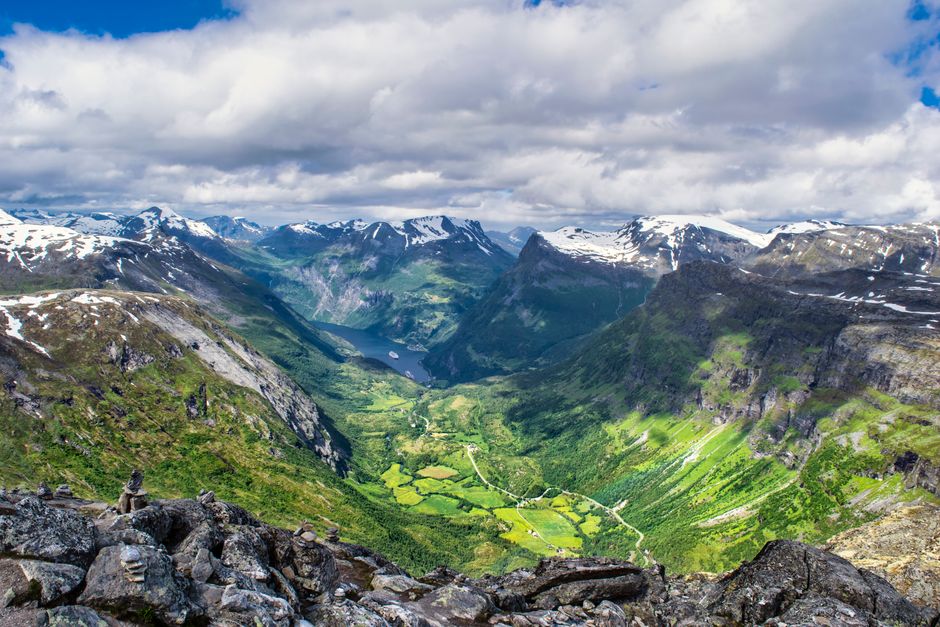
Camping is the best budget choice for summer nature trips. It cuts accommodation costs and places you close to the landscapes you came to see. A tent pitch can be free in suitable uncultivated areas under Norway’s right-to-roam rules, while official campsites offer toilets, showers, kitchens, and safer access in busy regions.
Know the camping rules before you pitch
You must stay at least 150 metres from an inhabited house or cabin, and you should not remain in one place for more than two nights without permission. Popular areas, especially parts of Lofoten and western Norway, can add local restrictions. Use an official campsite when a site is crowded or fragile. Free does not mean consequence-free.
Use hostels and cabins strategically
Hostels are better than camping when the forecast is unstable or when you need a kitchen and laundry. Basic cabins can start around NOK 700 per night, making them good value for two or more travellers who split the room. Book a shared room for city nights, then camp or use a cabin near hiking areas. That mix is more comfortable than forcing one type of accommodation for the whole trip.
Avoid renting a car solely to reach a campsite. Add fuel at roughly NOK 21 to NOK 25 per litre, tolls, parking, insurance, and the rental itself. For one or two people, the car usually destroys the savings.
Eat Well Without Paying Restaurant Prices
Food is where travellers quietly lose control of a Norway budget. A coffee, pastry, takeaway lunch, and casual dinner can become NOK 500 before the day has properly started. The fix is simple: make supermarkets your default and restaurants your planned exception.
Build meals around supermarket basics
Buy oats, bread, cheese, fruit, yoghurt, eggs, soup, pasta, and smoked fish. Prepare breakfast where you sleep, pack lunch for hikes, and cook dinner in a hostel or campsite kitchen. Tap water is free and safe, so carry a refillable bottle. A grocery-shop beer often costs about NOK 35 to NOK 50, while a bar version can cost several times more.
Spend once on local food
Do not turn frugality into a punishment. Plan one proper meal in each major stop and choose a daily special, fish soup, bacalao, or a simple local dish instead of an elaborate tourist menu. A budget restaurant meal commonly falls around NOK 190 to NOK 350. That is expensive compared with supermarket food, but reasonable when it replaces three smaller impulse purchases.
Oslo’s food halls and street-food venues can also work when you want something hot without committing to a formal restaurant. Eat early, check the menu outside, and skip drinks. In Norway, the drink often costs more than the meal upgrade.
Which Free Norway Experiences Beat Expensive Tours?
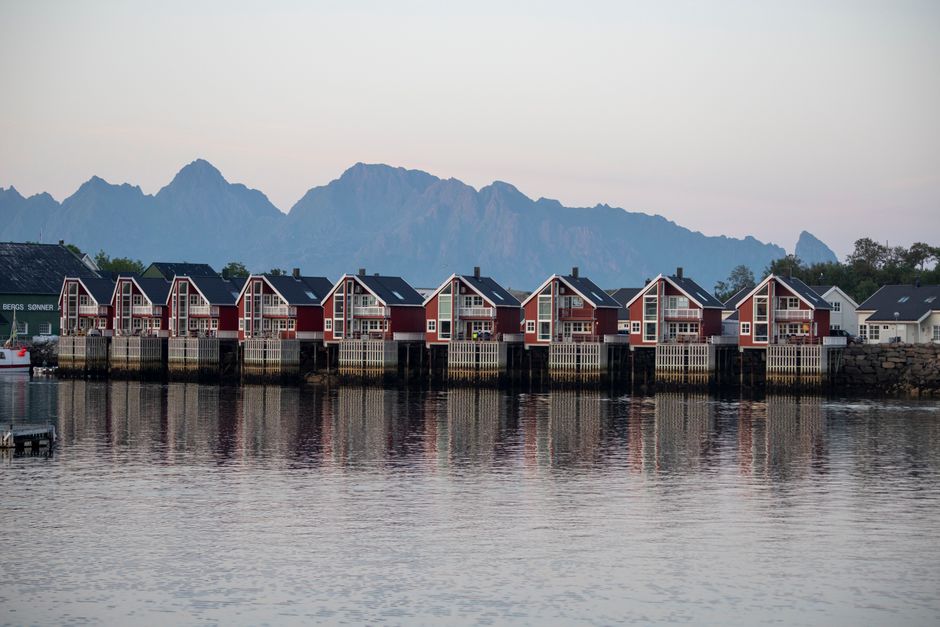
Paid tours can be memorable, but they are not the default way to experience Norway. The country’s strongest attraction is its landscape, and much of that landscape is free to explore responsibly.
Can you see fjords without booking a cruise?
Yes. Walk waterfront paths, use ordinary local ferries where they serve residents, and take public buses along scenic roads. A full fjord cruise may be worth one splurge, but it is a poor choice for every travel day. Pick one water experience and spend the rest of the trip on foot.
Are city attractions worth the entry fee?
Sometimes, but start outside. Oslo’s harbour promenade, parks, and nearby forest trails cost nothing. Bergen’s historic streets and Mount Fløyen walking route give you a strong first day without a ticket. Trondheim’s old bridge, riverfront, and central streets are also free. Use paid museums when the weather is bad or when a specific collection matters to you.
What should hikers never economize on?
Do not save money by hiking in trainers during cold, wet weather or by ignoring a changing forecast. Carry a waterproof layer, warm spare clothing, food, a charged phone, and a route plan. A free trail is not a free rescue. Check conditions locally before leaving, especially in the mountains and shoulder seasons.
A Seven-Day Norway Budget Itinerary That Actually Works
For a first trip, choose Oslo as your base and add one manageable nature area rather than chasing every famous viewpoint. This route keeps transfers limited, uses free attractions, and leaves room for bad weather. It also avoids the common mistake of treating Norway like a small country that can be crossed casually between breakfast and dinner.
Days 1–3: Oslo on foot and by local transport
Stay near Oslo S, Grünerløkka, or a metro line rather than paying a premium for a landmark view. Spend the first day walking the harbour from the Opera House toward Aker Brygge and exploring the city centre. On day two, use Ruter to reach a forest trail around Nordmarka or Sognsvann. Pack a supermarket lunch. On day three, choose one paid museum only if the weather makes outdoor plans unpleasant; otherwise walk through parks, markets, and neighbourhoods.
Days 4–5: Slow travel to Lillehammer
Take an early train north and stay two nights. Lillehammer is easier on a budget than trying to combine Oslo, Bergen, and a western fjord in the same week. Walk the old town, explore the lakeside, and use local trails. A longer stay turns transport into a small part of the trip instead of a daily expense.
Days 6–7: Return with money left for one experience
Return to Oslo, then use the final day for the one thing you most wanted: a museum, a guided hike, a sauna, or a carefully chosen boat trip. Keep the rest of the day free. If your budget is tighter, replace the paid activity with a second nature day and spend the money on a better meal.
For travellers who care more about fjords than museums, use the same structure around Bergen and Voss. Do not add both regions unless you have at least ten days and enough money for the extra transport. The single most important budget rule is to see less of Norway, stay longer in each place, and spend your money on one memorable experience instead of constant movement.

Travel Adapter Dis-Chem: Avoid the Wrong Plug

Pet-Friendly Road Trip Accommodations: A Buyer’s Guide for 2026

8 Best Apps for Solo Travelers to Meet People and Stay Connected
About The Author
