
Backpack Hunting Guide: Pack Light, Hunt Far
A backpack hunt is not a regular camping trip with a rifle added. The common mistake is planning around the animal first and the walk second. I plan around the route, water, weather, and pack weight before I think about the perfect glassing ridge. A beautiful hunt that leaves you too tired to move at dawn is a poor plan.
The best first trip is a two- or three-night hunt with one camp, a reliable water source, and a legal animal you can reach without crossing extreme terrain. That setup teaches the real skills: moving quietly, managing food, keeping gear dry, and carrying meat out safely.
Choose a Hunt That Matches Your Walking Ability
Start with a route you can finish fresh enough to hunt. Distance alone tells you very little. A six-mile trail with 2,000 feet of climbing may be harder than a ten-mile forest road. Steep loose ground, blowdown, heat, and high elevation all increase the cost of every mile.
Use elevation gain, not mileage, as your first filter
For a first backpack hunt, I prefer 4 to 7 miles from the trailhead, less than 2,500 feet of total climbing, and a camp that sits near water. Keep the first day short enough to arrive before dark. Reaching camp at 9 p.m. means you still need to find a flat sleeping spot, filter water, eat, and hang food or protect it from animals.
Build the hunt around one strong camp
Moving camp every night sounds efficient, but it creates extra packing, noise, and navigation decisions. One spike camp gives you two useful hunting mornings without forcing you to rebuild your shelter each afternoon. I would rather glass three nearby basins well than rush through five basins while carrying a full load.
Check land access, seasonal closures, fire restrictions, weapon rules, carcass transport rules, and the forecast before leaving. The clear verdict: choose a short, water-secure loop for your first trip, then increase distance only after you know how your body handles the load.
Set a Pack Weight You Can Still Hunt With
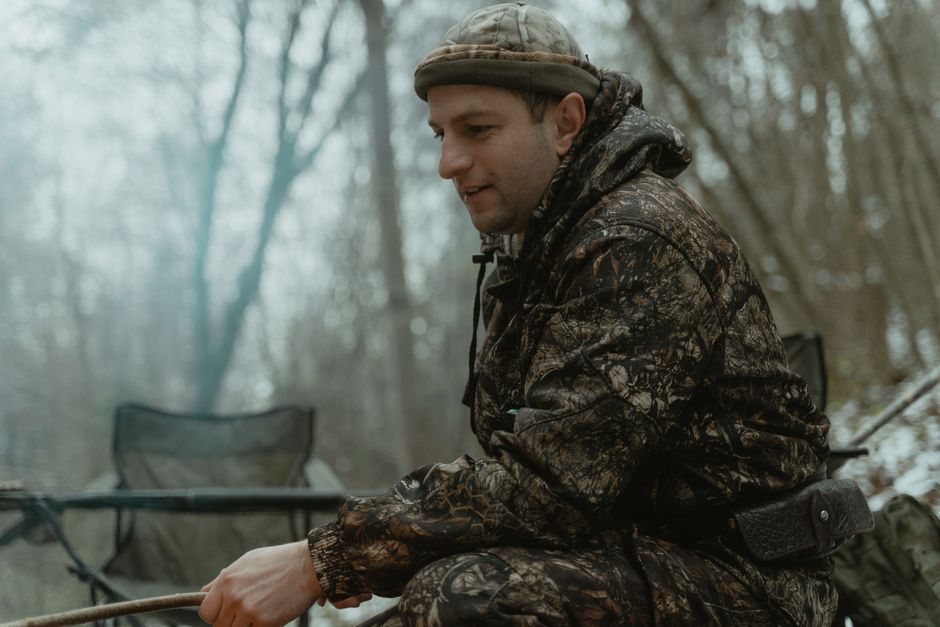
Your pack should be light enough for a steady climb but complete enough for a bad night. Weigh every item, including fuel, ammunition, water, food packaging, and the clothes you wear at the trailhead. Guessing is how a supposedly light kit becomes a 50-pound problem.
| Hunt format | Base gear | Food and water | Trailhead target | Verdict |
|---|---|---|---|---|
| One night, near water | 18–24 lb | 5–8 lb | 25–32 lb | Best first test |
| Two to three nights, one camp | 20–27 lb | 8–13 lb | 30–40 lb | Best learning trip |
| Four or more nights | 24–32 lb | 13–20 lb | 38–50 lb | Only after practice |
| Meat-haul return | Same base kit | Reduced food, added meat | Often 60 lb or more | Requires a real plan |
Separate base weight from consumables
Base weight includes the pack, shelter, sleeping system, clothing, cooking kit, and safety gear. Food, water, fuel, and ammunition are consumables or load-specific items. This distinction makes planning easier. Cutting a pound from a jacket helps every trip; carrying one less liter of water helps only until you reach the next stream.
For most people, a 30- to 40-pound starting load is the right target for a short hunt. The best verdict is simple: if you cannot climb for an hour with your planned load and still focus on your surroundings, remove weight or shorten the route before hunting season.
Pack the Gear That Solves Real Problems
My preferred pack for a serious multi-day hunt is the Stone Glacier Sky 5900, a roughly 5,900-cubic-inch load-hauling pack with enough room for bulky layers and meat. It is excessive for an overnight trip, so the Mystery Ranch Metcalf 50, with about 50 liters of capacity, makes more sense for a compact two- or three-night kit. For a non-hunting partner carrying ordinary travel equipment, the Osprey Aether Plus 70 offers a familiar 70-liter layout, but it is not my first choice for heavy meat loads.
Keep communication and water simple
The Garmin inReach Mini 2 weighs about 3.5 ounces and supports two-way satellite messaging when a phone has no signal. It does not replace navigation skill or a paper map, but it gives a remote trip a better emergency margin. I carry a filter such as the Sawyer Squeeze, which weighs about 3 ounces before the bottle or pouch, then keep chemical tablets as a backup.
Sleep well enough to make good decisions
The Therm-a-Rest NeoAir XLite NXT regular pad weighs about 13 ounces and has an R-value around 4.5. A warm, compact sleeping pad is worth more than a pile of small comfort items because poor sleep makes route choices and firearm handling worse. Pack a shelter that can handle the forecast, a real rain layer, insulation for standing still, blister care, a headlamp, repair tape, and waste bags.
Do not buy the biggest pack because it gives you room to carry more junk. For a two-night hunt with compact gear, the Mystery Ranch Metcalf 50 is my pick; for long trips or bulky cold-weather equipment, choose the Stone Glacier Sky 5900.
Plan Food, Water, and Camp Before You Leave
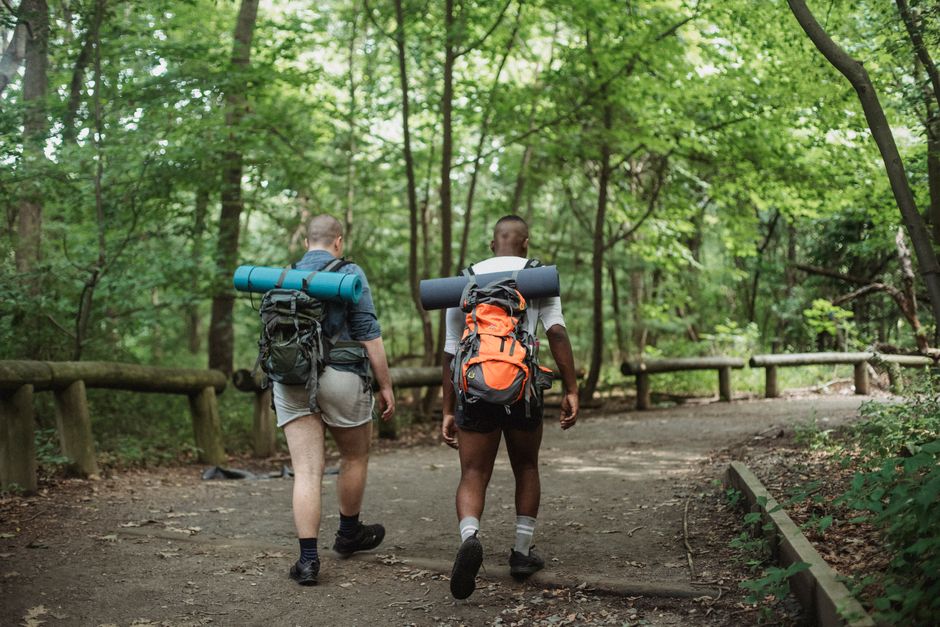
Food planning fails when people pack by appetite instead of calories. I aim for roughly 2,800 to 3,500 calories per day on a hard hunt, with food that survives heat, rain, and compression. Breakfast should require little cleanup. Lunch should be edible while glassing or walking. Dinner can take longer because camp is already established.
Use a food schedule that protects energy
- Eat a calorie-dense breakfast before breaking camp, even if you are not hungry.
- Carry two small snacks in hip-belt or pocket storage so eating does not require opening the main pack.
- Use a meal with carbohydrates and protein after the evening hunt.
- Pack one extra day of food for a blocked trail, bad weather, or a delayed exit.
Water weighs 2.2 pounds per liter, so water is often the fastest way to make a pack heavy. Mark every dependable source on the map and decide how much water each dry stretch requires. I usually start with 2 liters, but a hot exposed route may demand more. Treat every stream. Clear-looking mountain water can still carry pathogens from animals and upstream camps.
Choose camp locations with three checks
Camp on durable ground above drainage channels, away from dead branches, and close enough to water that the evening refill does not become a separate expedition. Keep cooking and food storage away from the sleeping area where local rules require it. Before darkness, identify the exit route, the nearest known water source, and the direction you would travel if visibility disappears.
The verdict: carry less water only when the map proves the next source is reliable, and carry more food than your ideal schedule requires. A one-pound reserve can save a trip; an optimistic water plan can create a dangerous one.
Avoid the Mistakes That Ruin Backpack Hunts
Most failed trips do not end with dramatic weather. They unravel through small errors that compound during the second morning.
- Do not break in boots during the hunt. Wear them on several long walks first, including climbs with the full pack. Hot spots become blisters faster than most people expect.
- Do not carry a heavy pack without training for it. Start six weeks ahead with loaded walks, then add elevation before adding distance.
- Do not trust a phone battery in cold weather. Carry a power bank, save offline maps, and keep a paper map and compass accessible.
- Do not pack a thin rain shell as your only weather defense. Wind and wet insulation can turn a comfortable afternoon into a safety problem.
- Do not assume a successful shot ends the hard work. Check the terrain below the animal, estimate the packing route, and carry enough game bags and cord.
- Do not plan a meat haul that requires perfect conditions. Leave room for extra trips, heat, darkness, and a partner who cannot carry the same load.
My strongest recommendation is to practice the entire system before opening day: load the pack, hike the route, filter the water, cook the meal, and sleep outside in the same shelter.
Know When a Backpack Hunt Is the Wrong Choice
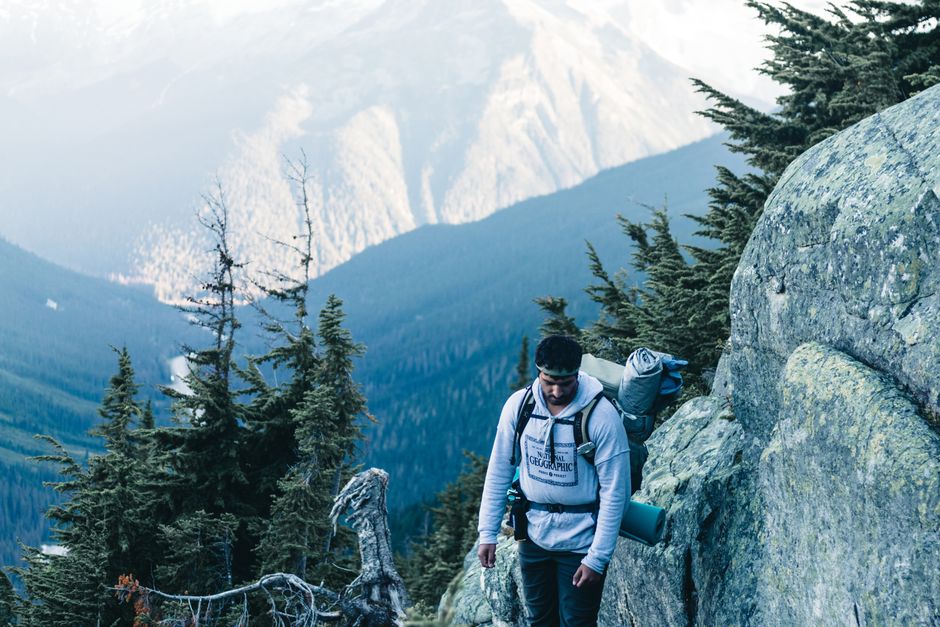
Is a daypack better for a short-access hunt?
Yes. If a road, lodge, or established camp puts you within a comfortable morning walk of the hunting ground, use a daypack and keep the overnight system at base camp. A daypack reduces fatigue and lets you carry better optics, extra layers, and more water. The right decision is not the one that sounds toughest; it is the one that leaves you alert when the opportunity appears.
Should you buy a large pack for one future trip?
No. A huge pack encourages overpacking now and may carry poorly when half empty. Buy for the trip you will actually take this season. Choose a compact 40- to 55-liter pack for short warm-weather trips, then move to a 5,000- to 6,000-cubic-inch load-hauler when cold clothing, camping supplies, or meat transport justify it.
When should you postpone the trip?
Postpone when the forecast exceeds your shelter or clothing limits, the route has no dependable water, your partner lacks a communication plan, or the return requires a load you have never trained for. The single most important takeaway is this: the best backpack hunting plan is the lightest complete system that keeps you safe, mobile, and capable of carrying the result home.
Best Eco-Friendly Hostels In Medellín For Solo Travelers: I Stayed in Medellín’s Best Eco-Hostels: 6 Picks for Solo Travelers
India E-Visa Guide: How to Get an e-Visa for India: Step-by-Step Guide and Common Pitfalls
Kyoto Travel Guide 2026: A 4-Day Culture Itinerary
About The Author
