
Best Eco-Friendly Boutique Hotels in Costa Rica: 2026 Prices
A hotel with bamboo walls, a jungle view, and a “green” logo is not automatically eco-friendly. The useful question is simpler: how does the property handle water, energy, waste, land, food, and local jobs?
These recommendations focus on small or nature-led stays where the setting is part of the experience. Prices are published starting points for 2026 when the hotel makes them public. Some properties quote by date, room type, or package, so treat the figures as planning numbers rather than guaranteed totals. My clear winner for most first-time visitors is Senda Monteverde because it combines credible low-impact features, easy access, and a room setup that does not force guests into a remote all-inclusive schedule.
My shortlist: Senda Monteverde wins for most travelers
The best choice for a balanced Costa Rica trip is Senda Monteverde. It sits close enough to Monteverde town for independent meals and taxis, while its forest setting keeps the stay focused on nature. The hotel lists solar-heated hot water, ceiling fans instead of routine air conditioning, and 40-square-metre Superior Rooms that sleep up to three adults. It is a strong fit for travelers who want a boutique feel without paying for a fully packaged jungle expedition.
| Hotel | Best fit | Published 2026 price information | Key tradeoff |
|---|---|---|---|
| Senda Monteverde | Best overall balance | Live rate shown by dates and room type; Superior Rooms are 40 sq m | Mountain weather can be wet and cool |
| Rios Lodge | Best lower-cost rainforest stay | Deluxe Room: $276 low season or $331 high season per room per night | Meals, transfers, guided access, taxes, and fees are added |
| Bosque del Cabo | Best included Osa package | For two adults: $370 per person per night in green season, $475 high season | Remote location and a higher total trip cost |
| Lapa Rios Lodge | Best conservation-led splurge | Room rate quoted by stay; conservation fee is $25 per person per stay | Osa Peninsula access takes planning |
| Rio Perdido | Best thermal-river retreat | Selected 2026 resident rates start at $275 plus tax for two; public rates vary | Guests must be at least 8 years old |
| Finca Rosa Blanca | Best coffee-country stop | Direct quote required by room and date | Less useful for travelers focused on beaches |
Rios Lodge is the value pick when the goal is rainforest access rather than polished luxury. Its 2026 Deluxe Room rate starts at $276 in low season, but the hotel separates the room price from meals, transportation from San José, and the guided rafting or hiking route into the lodge. Bosque del Cabo costs more, yet its two-person green-season rate includes three meals, taxes, service, and round-trip transport from Puerto Jiménez. For a short Osa stay, that simpler package can be worth the premium.
Lapa Rios is the strongest conservation choice. Its reserve covers 1,000 hectares, and its published conservation fee supports habitat protection, wildlife monitoring, and local employment. Pick it for wildlife and a serious rainforest setting, not for a cheap beach weekend.
The best eco hotel cuts impact at the source
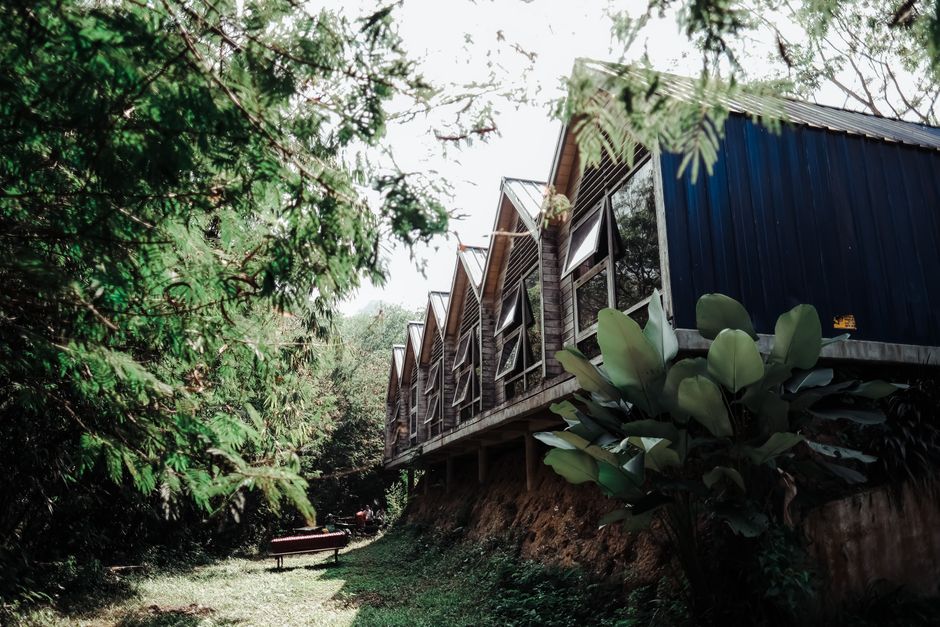
My opinion: visible rustic design is the weakest test of sustainability. A property can use reclaimed wood and still waste water, import most of its food, or clear valuable habitat for oversized rooms. A genuinely responsible hotel first reduces the resources it needs to run every night.
Water and energy come before decoration
Ask how hot water is produced, how wastewater is treated, and what happens during dry months. Solar-heated water, low-flow fixtures, rainwater collection, and native landscaping are practical signs. A hotel that relies on ceiling fans in a cool climate may have a smaller energy load than a glass-walled resort running air conditioning all day. The answer should describe equipment or operating rules, not just say “eco-conscious.”
Food, waste, and buildings reveal the real operation
Look for refillable drinking water, bulk toiletries, composting, glass or metal containers, and a plan for food scraps. Ask if the kitchen buys from nearby farms and fisheries, then check if the menu changes with local supply. Small details matter: a property that sends every guest a disposable bottle has a weak waste system even if it plants trees.
Local benefit is part of the environmental result
Nature protection works better when nearby communities gain steady income from keeping forests standing. Local guides, maintenance teams, farmers, artists, and transport providers should appear in the hotel’s story. This does not make every claim true, but it gives the conservation work a practical base. The strongest stays connect land protection with jobs, training, and purchases from nearby businesses.
For travelers, the first-principles test is simple: can the hotel explain what it avoids, what it measures, and who benefits? If the answer is only a list of attractive materials, keep looking.
Use this six-step green-claim check before booking
Do these checks on the hotel website, then send a short email if anything is unclear. The process takes about 15 minutes and can prevent an expensive mismatch.
- Find the operating details. Search for water treatment, renewable energy, waste separation, refill stations, and conservation work. A vague sustainability page is not enough.
- Separate the room rate from the full cost. Add taxes, meals, transfers, park fees, guides, and required activities. Rios Lodge, for example, lists several package costs outside its nightly room rate.
- Check access before admiring the room. Ask about the last road, boat, rafting section, walking distance, luggage rules, and arrival time. Remote eco-lodges often need a fixed transfer.
- Test the climate match. Monteverde can be cool and wet, while Guanacaste is hot and dry. A room without air conditioning may be a benefit in one region and a problem in another.
- Read the cancellation policy line by line. Senda Monteverde requires advance payment and uses different deadlines for wildlife, high, and holiday seasons. A cheap flexible-looking rate may not be flexible after payment.
- Ask one direct proof question. Write: “Which sustainability practice will guests see during a normal two-night stay?” A useful answer names a refill station, local food program, solar system, trail project, or waste process.
The most common mistake is comparing nightly prices while ignoring transport. A $276 rainforest room can cost more than a $370 package once the road, meals, and guided entry are added. The second mistake is booking a remote lodge for one night. Arrival logistics can consume half the stay, so two or three nights usually gives better value.
Choose the region before you choose the room
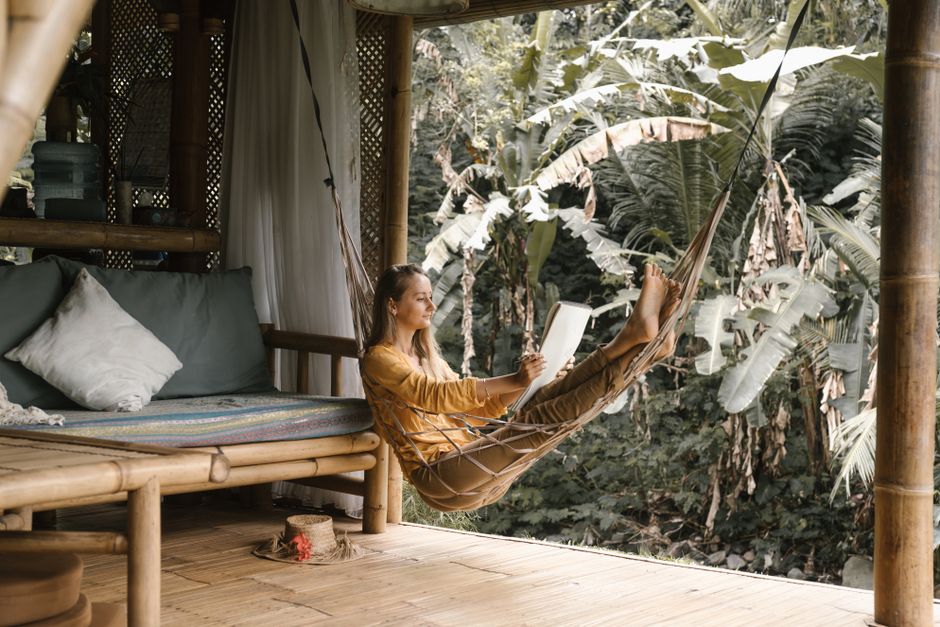
Is Monteverde best for a first eco stay?
Yes, if you want cloud forest walks, cool evenings, coffee, and easier access to restaurants. Monteverde works well without a packed resort schedule. Choose it for a three-night base with guided nature walks and one flexible afternoon.
Should wildlife travelers choose the Osa Peninsula?
Yes, if wildlife matters more than convenience. The Osa offers deeper rainforest experiences, but transfers take longer and the final road or boat section can shape the whole day. Plan at least three nights and pack light.
When does Guanacaste make more sense?
Choose the dry northwest for thermal water, open landscapes, and a warmer climate. It suits travelers who want nature activities mixed with recovery time. Do not book it expecting a dense rainforest experience; the ecosystem and scenery are different.
For a first trip, Monteverde is the safest all-round choice. The Osa is the better specialist choice for wildlife. Guanacaste wins for warm-weather relaxation and thermal experiences.
Book by trip style, then protect the budget
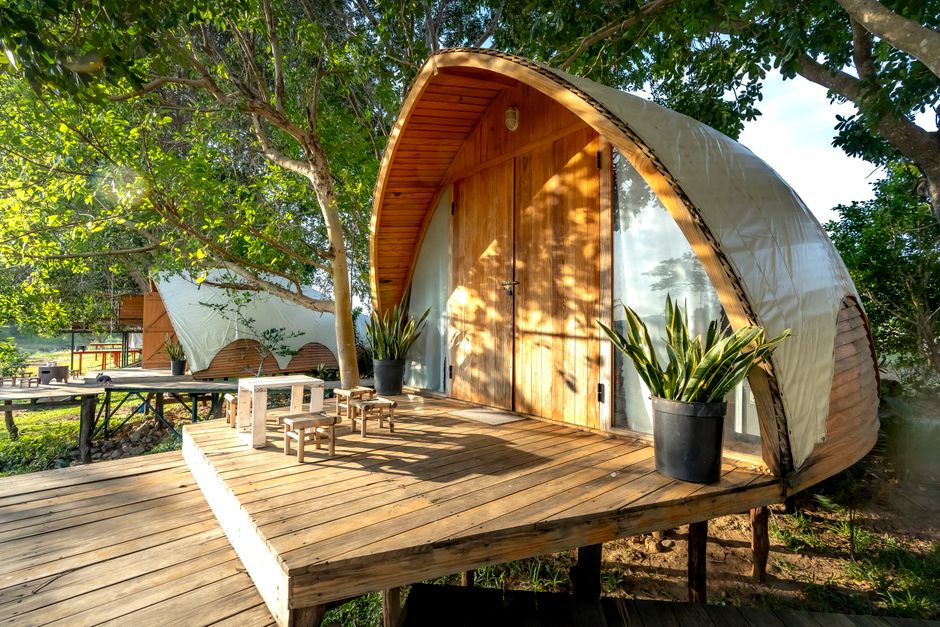
Book Senda Monteverde for the most flexible boutique itinerary. You can walk toward town, arrange cloud forest activities, and still return to a quiet property with solar-heated water and open-air terraces. Its 15-minute walk to town also cuts the need for daily private transfers.
Choose Rios Lodge when the budget matters and the rainforest itself is the priority. Confirm the complete package before paying, including meals, transport, taxes, and the rafting or hiking route. Choose Bosque del Cabo when you prefer an Osa package with meals and transport already built into the published per-person rate. The higher price buys less planning friction.
Choose Lapa Rios when conservation depth and wildlife are worth a splurge. Add its $25 conservation fee to the budget and ask which room rate applies to your dates. Pick Rio Perdido for thermal rivers and dry-forest trails, but do not book it for children under eight or assume the promotional resident price applies to every visitor. Finca Rosa Blanca makes sense as a calm coffee-country arrival or departure night near San José, not as the main base for a beach-focused trip.
Before confirming any stay, request the total for two adults, the exact dates, taxes, meals, transport, cancellation deadline, and any conservation charge in one written quote. That single message turns a pretty eco-lodge listing into a real comparison. Start with Senda Monteverde for the easiest all-round plan; move to the Osa only when deeper wildlife access justifies the extra logistics.

8 Best Apps for Solo Travelers to Meet People and Stay Connected

Budget Travel Hacks Booking Flights Asia: 7 Flight Booking Hacks for Asia That Actually Work in 2026
Travel Photography Tripods: What Actually Matters Before You Buy
About The Author
