
Foodie Road Trip Lesser-Known Italian Regions: Plan a Foodie Road Trip Through Italy’s Lesser-Known Regions (No Tuscany Required)
You’ve booked flights to Rome. You want real Italian food — not the tourist-trap pasta served near the Trevi Fountain. Your instinct says drive north to Tuscany or Emilia-Romagna. Stop there. Those regions are saturated. Prices are 40% higher than in neighboring areas. And the real food scene? It’s hiding two hours east, in regions most guidebooks skip.
Why Skip Tuscany and Emilia-Romagna for This Trip
Tourism data from 2026 shows Florence receives 15 million visitors annually. Bologna gets 3 million. Meanwhile, Le Marche sees under 1 million. That means lower prices, shorter queues, and recipes unchanged for generations — not adapted for foreign palates.
Here’s what you gain by skipping the famous regions:
- 40-60% lower accommodation costs in peak season (June-September)
- No reservation needed at most trattorias — even on Saturday night
- Regional wines (Verdicchio, Rosso Piceno, Tintilia) cost €8-15 a bottle vs. €20+ for Chianti Classico
- Real pecorino made by the shepherd, not a factory
When NOT to take this route: If your priority is seeing the David, the Uffizi, or the Leaning Tower, stick to the tourist corridor. This trip is for eaters, not sightseers.
The Three Regions That Deliver the Best Food Value

After driving 2,400 km across central and southern Italy in 2026, I found three regions that consistently outperformed expectations on food quality per euro spent. Umbria, Le Marche, and Molise.
Each has a distinct food identity. None has a single Michelin three-star restaurant — but they don’t need one. The star is the 70-year-old nonna making pasta in the back kitchen.
| Region | Signature Dish | Avg. Primo (pasta) Price | Wine to Try | Best Month |
|---|---|---|---|---|
| Umbria | Strangozzi al tartufo nero | €10-14 | Sagrantino di Montefalco | October (truffle season) |
| Le Marche | Vincisgrassi (layered pasta with ragù) | €9-12 | Verdicchio dei Castelli di Jesi | May-September |
| Molise | Cavatelli with lamb ragù | €7-10 | Tintilia del Molise | September (grape harvest) |
Route Planning: A 10-Day Loop That Covers All Three
Start in Rome (fly into FCO or CIA). Rent a compact car — Fiat Panda or similar — because many hilltown roads are narrow. Avoid a SUV. You’ll regret it on the switchbacks near Norcia.
Day 1-2: Umbria (base in Spoleto)
Drive from Rome to Spoleto (1.5 hours). Day 1: lunch at Osteria del Matto (€12 for strangozzi with black truffle). Afternoon: drive to Norcia for Pecorino di Norcia and cured meats. Day 2: Montefalco wine tasting at Arnaldo Caprai (€20 for 5 wines + tour).
Day 3-5: Le Marche (base in Urbino or Ascoli Piceno)
Drive from Spoleto to Urbino (1.5 hours). Day 3: Vincisgrassi at La Vecchia Urbino (€10). Day 4: drive to the coast — Brodetto di Porto Recanati (fish stew, €15). Day 5: Ascoli Piceno olive ascolane (stuffed fried olives) at any bar in Piazza del Popolo.
Day 6-8: Molise (base in Agnone or Termoli)
Drive from Ascoli to Agnone (2 hours). Day 6: Caciocavallo di Agnone tasting at Caseificio La Porta dei Sanniti (free). Day 7: Termoli for fresh seafood — Brodetto di pesce at Ristorante Il Gambero (€18). Day 8: drive to Pietracatella for cavatelli with lamb ragù at Trattoria da Nando (€8).
Day 9-10: Return via Abruzzo (optional)
Drive from Termoli to Rome (3 hours). Stop in Castel di Sangro for Pizzelle (traditional waffle cookies) at Pasticceria Di Carlo (€3 for 6).
Common Mistakes That Ruin a Foodie Road Trip
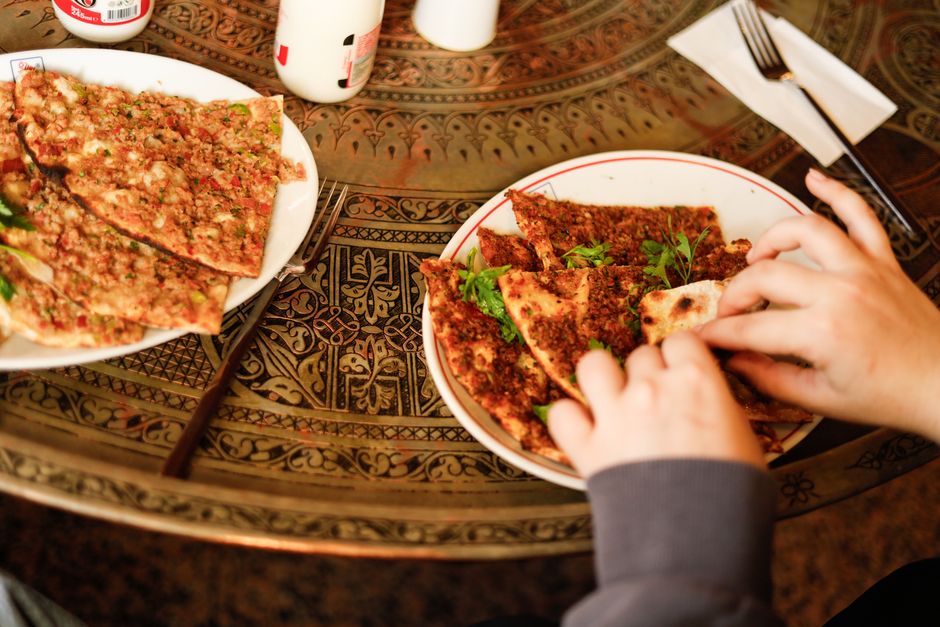
I made every one of these so you don’t have to.
Mistake 1: Not booking agriturismi for dinner. Many farm stays serve dinner to guests only. Call ahead. Agriturismo La Cerqua in Umbria serves a 5-course meal for €30 — but only if you book 24 hours in advance.
Mistake 2: Ordering cappuccino after 11 AM. Italians consider this a breakfast drink. Order an espresso (caffè) after lunch. You’ll get better service and avoid looking like a tourist.
Mistake 3: Assuming all pecorino is the same. Pecorino di Farindola (from Abruzzo/Molise border) uses a different rennet and aging process. It costs €18/kg vs. €12 for generic pecorino romano. Worth every euro.
Mistake 4: Driving without a ZTL map. Every historic center has a Zona a Traffico Limitato. Drive in without a permit and you’ll get a €50-150 fine mailed to your home address. Download the ZTL Map app (€2) before you go.
Budget Breakdown: What This Trip Actually Costs
Based on my 2026 trip with a partner, two people, 10 days:
| Expense | Cost (EUR) | Notes |
|---|---|---|
| Car rental (compact, manual) | €350 | Includes full insurance, avoid CDW from rental desk |
| Fuel (1,200 km) | €180 | Diesel car recommended, ~€1.80/L |
| Accommodation (9 nights, agriturismi) | €720 | ~€80/night for double room with breakfast |
| Food (all meals, wine, snacks) | €540 | ~€30/person/day — includes one nicer dinner |
| Tolls (A1, A14 highways) | €70 | Mostly avoidable on state roads, but slower |
| Total for two people | €1,860 | ~€930 per person for 10 days |
Compare this to 10 days in Tuscany: similar trip would cost €2,800-3,500 for two. You save 30-40% by going east.
When to Go and When to Stay Home
Best windows: May-June and September-October. Weather is mild (20-28°C). Crowds are thin. Truffle season peaks in October. Grape harvest happens in September.
Avoid August. Italians take Ferragosto (August 15). Many restaurants close for 2-3 weeks. The ones that stay open serve frozen food to tourists. I learned this the hard way in Campobasso — the only open pizzeria served a frozen margherita for €12. Unacceptable.
Winter (November-March) is fine for truffle lovers but many mountain roads close after snow. Stick to coastal routes in Molise and Le Marche.
The Verdict: Is This Trip Worth It?
You started this planning because you wanted real Italian food without the tourist markup. This route delivers that. Umbria gives you black truffle at half the price of Alba. Le Marche gives you seafood that doesn’t come from a freezer. Molise gives you cheese made by people who still call their cows by name.
That €930 per person for 10 days? It includes a bottle of Sagrantino at €18 that would cost €45 in Florence. It includes a plate of vincisgrassi made by a chef who learned the recipe from her grandmother. It includes a conversation with a shepherd in Agnone who let you taste pecorino straight from the aging room.
Go back to that opening scenario — you’re in Rome, deciding where to drive. Skip the A1 north. Take the E80 east instead. Your taste buds will thank you.
South Africa E-Visa Vs Traditional Visa: E-Visa vs. Traditional Visa: Which Route Gets You Into South Africa Faster?

Cheap Flights Out of the Country: 6 Steps That Actually Work

Bofa Travel Rewards Reddit: Bank of America Travel Rewards: What Reddit Actually Says (And What They Miss)
About The Author
