
First Multi-Day Patagonia Hike Gear: Your First Multi-Day Patagonia Hike: Gear List and Route Choices for 2026
Patagonia is not a place where you borrow gear from a friend and figure it out on the trail. The wind in Torres del Paine can knock you off your feet. The weather changes four times before lunch. A bad gear decision here means a genuinely dangerous situation, not just an uncomfortable night. This guide walks you through exactly what to pack and which route to pick for your first multi-day hike in 2026.
The Three Questions That Decide Everything About Your Hike
Before you buy a single piece of gear, answer these three questions. They determine your entire packing list and route choice.
Question 1: Are you sleeping in refugios or a tent?
Refugios (mountain huts) on the W Trek cost around $120 per night per person in 2026. You sleep in a bunk bed, get a hot meal, and can charge your phone. Tent camping costs $15–30 per night at designated campsites. The catch: you carry 3kg more weight in tent, sleeping bag, and stove. If you have never carried a 18kg backpack for 8 hours, pick refugios. Your back will thank you on day 3.
Question 2: How many days do you have?
The classic W Trek takes 5 days. The full O Trek takes 8–10 days. If you have 5 days or less, you are doing the W. If you have 8+ days and want solitude, do the O. There is no shortcut. Do not try to do the W in 3 days unless you are an ultrarunner. People get injured rushing the Grey Glacier section.
Question 3: What is your budget for gear?
Decent gear for a Patagonia hike costs $800–$1,500 new. Renting a tent and sleeping bag in Puerto Natales costs about $80 for 5 days. If you are unsure you will do another multi-day hike after this, rent. If you plan to hike 3+ trips in the next 2 years, buy. The Nemo Disco 15 sleeping bag ($350) is warm enough for Patagonia summer nights (0°C to 5°C) and packs down to the size of a football.
Gear That Works in Patagonia Wind and Rain (and What Fails)
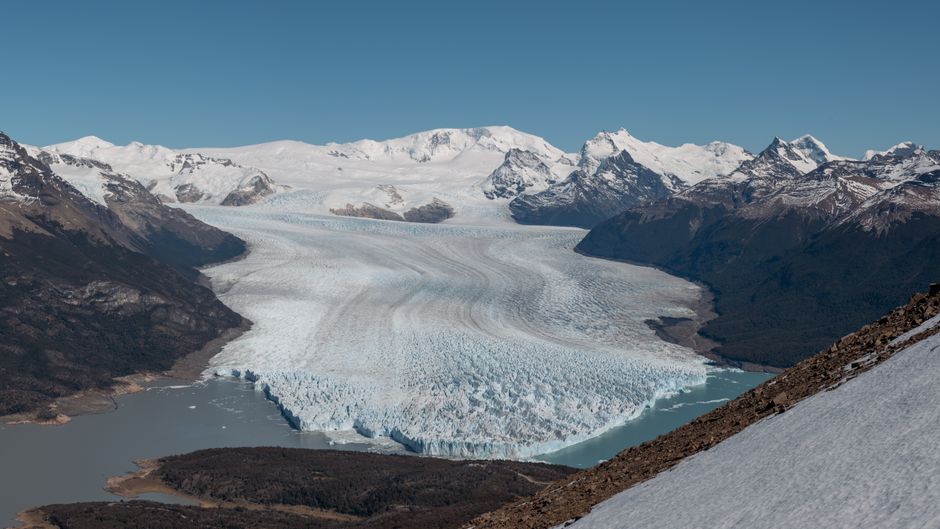
Patagonia kills gear. Cheap rain jackets wet through in 20 minutes. Budget tents collapse in 70km/h gusts. Here is what actually survives.
| Gear Category | What Works (and Price) | What Fails |
|---|---|---|
| Rain jacket | Arc’teryx Beta AR ($450) — Gore-Tex Pro, pit zips, helmet-compatible hood | Columbia Watertight II ($60) — wets through in sustained rain after 30 min |
| Hiking pants | Patagonia Terrebonne Joggers ($89) — dries in 2 hours, blocks light wind | Cotton jeans — stay wet for 12+ hours, cause chafing |
| Tent (if camping) | Hilleberg Anjan 2 ($650) — tunnel design handles wind, sets up in 3 min | REI Half Dome SL 2 ($200) — poles flex dangerously in high wind, fly flaps |
| Sleeping bag | Nemo Disco 15 ($350) — spoon shape lets you move, 750 fill down | Kelty Cosmic 20 ($130) — bulky, takes 2x the pack space, less warm than rated |
| Trekking poles | Black Diamond Trail Pro ($140) — flick-lock adjustment, cork grips, 7075 aluminum | Cheap twist-lock poles — lock fails on day 2, pole collapses at worst moment |
The single most important gear item is your rain jacket. Do not compromise here. The Arc’teryx Beta AR costs more than your tent rental. It is worth every dollar when you are 4 hours from the nearest shelter and horizontal rain hits. If you cannot afford a $450 jacket, the Outdoor Research Helium AscentShell ($220) is the best budget alternative — it uses a different membrane that breathes better but is less durable.
Route Comparison: W Trek vs. O Trek — Which One for a First Timer?
This is the fork in the road. Pick wrong and you either miss the best views or bite off more than you can chew.
The W Trek is 71km. You hike 4–6 hours per day. The terrain is well-marked, and you see the three iconic sights: Grey Glacier, the French Valley, and the Towers (Las Torres) viewpoint. Refugios are spaced every 4–6 hours apart. This is the safe choice. 90% of first-time multi-day hikers in Patagonia do the W and love it.
The O Trek is 136km. You hike 6–9 hours per day. Days 2 and 3 involve the Paso John Gardner pass at 1,200m elevation with 80km/h winds. You need to carry 5 days of food because there are no refugios on the back side. This is for people who have done 3+ multi-day hikes before. Do not make the O your first multi-day hike. I have seen fit runners quit on day 3 of the O because they underestimated the cumulative fatigue.
Verdict: First timer? Do the W Trek. You get the same glacier views, the same iconic photo spots, and you finish feeling accomplished instead of destroyed. Save the O for your second trip.
The Five Mistakes First-Timers Make (and How to Avoid Them)
I spent a week at the CONAF ranger station in Torres del Paine in 2026 talking to hikers who had to be rescued or evacuated. These five mistakes came up every single time.
Mistake 1: Underestimating the wind. The wind in Patagonia averages 40km/h and regularly hits 100km/h. Your tent must be designed for wind. Your hat must have a chin strap. Your trekking poles are not optional — they keep you upright when gusts hit you from the side. A 70kg person with no poles can get knocked over by a 90km/h gust. I saw it happen.
Mistake 2: Wearing cotton. Cotton socks, cotton underwear, cotton shirts — all of them stay wet for hours. Wet skin + wind = hypothermia risk even at 10°C. Merino wool socks (Darn Tough, $25) and synthetic base layers (Patagonia Capilene, $55) dry in 30 minutes. Pack 2 pairs of socks and rotate them. Wash one pair in a stream and hang it on your pack while hiking.
Mistake 3: Packing too much food. You burn 3,500–4,500 calories per day hiking. But you will not want to eat 4,500 calories of trail mix and dehydrated pasta. Pack 2,500 calories per day of food you actually enjoy. Instant mashed potatoes with olive oil and parmesan cheese tastes better than any freeze-dried meal. One pack of ramen with peanut butter stirred in = 600 calories and weighs 120g.
Mistake 4: Skipping the gaiters. The trails in Patagonia are gravel, sand, and mud. Without gaiters, your boots fill with debris after 2 hours. Dirty Gaiters ($40) or Outdoor Research Crocodile Gaiters ($65) keep your boots clean and your feet dry. This is a $40 item that saves you 30 minutes of boot-emptying per day.
Mistake 5: Not booking refugios in advance. For 2026, refugios on the W Trek book out 4–6 months ahead for the December–February peak season. If you arrive in Puerto Natales without reservations, you will either pay triple for last-minute cancellations or hike the whole thing with a tent. Book through Vertice Patagonia or Las Torres Patagonia directly. Do it in July 2026 for a January 2026 hike.
What to Do When the Weather Turns Bad (It Will)
Patagonia has microclimates. You can start hiking in blue skies and be in a whiteout 45 minutes later. Here is the protocol.
If you are above treeline and a storm hits, do not push for the next refugio. Turn around immediately. The wind on exposed ridges makes forward progress impossible, and getting lost in whiteout conditions on the French Valley ridge is how people end up in helicopter rescues. The $500 helicopter ride is not covered by travel insurance. I checked.
If you are in forested sections, keep going. The trees block 60% of the wind. Your pace will slow to 2km/h in heavy rain, but you are safe. Stop every 30 minutes to check your hands and feet for numbness. If your fingers cannot grip your trekking poles properly, stop and put on your insulated gloves (Black Diamond Mercury Mitts, $120) or add a mid-layer (Patagonia Nano Puff, $200).
If you are camping and the wind is too strong to pitch your tent, wait it out at the refugio. Refugios do not turn away stranded hikers — they will let you sleep on the floor for $30. This happened to 12 people on the Grey Glacier campsite in January 2026 when winds hit 110km/h. They all slept in the refugio dining room and hiked out the next day.
Your emergency shelter is your tent. Even if you booked refugios, carry a lightweight emergency bivy (SOL Escape Bivvy, $30). It weighs 170g. If you get caught between refugios after dark, this keeps you alive until morning.
The Real Cost of a First Patagonia Hike in 2026
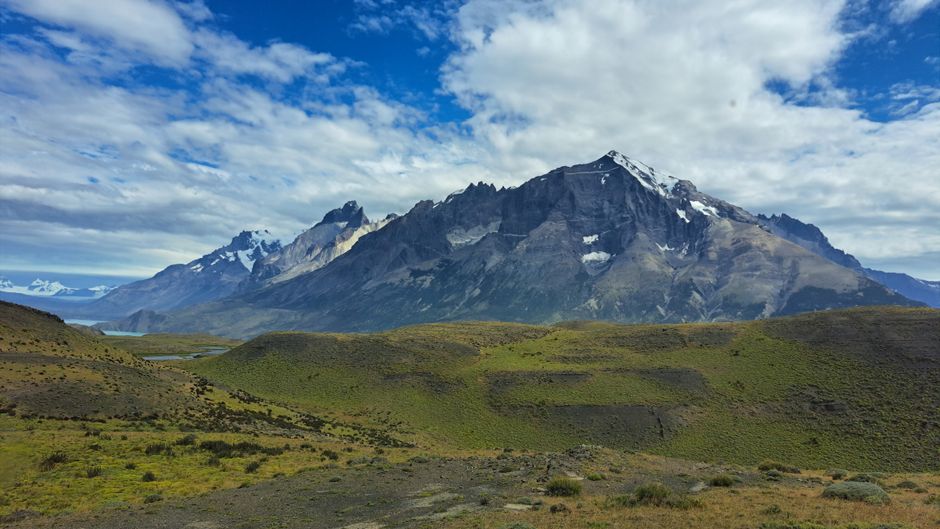
Here is the honest budget breakdown for a 5-day W Trek with refugios.
- Entrance fee to Torres del Paine: $50 (pay online before you go, the line at the gate is 45 minutes)
- Refugio accommodation (4 nights): $480 ($120/night)
- Meals in refugios (breakfast + dinner): $200 ($25/meal)
- Bus from Puerto Natales to the park: $30 round trip
- Gear rental (tent + sleeping bag + pad): $80 for 5 days
- Food you bring (lunches + snacks): $60
- Travel insurance with helicopter evacuation: $40
- Total without flights: $940
If you camp instead of refugios, subtract $400 from accommodation and meals, add $30 for campsite fees. Total drops to $570. The tradeoff is carrying 5–6kg more weight and cooking all your meals. For a first timer, I recommend refugios. The hot shower on day 2 after hiking through rain is worth $120.
Your single most important takeaway: book your refugios 5 months ahead, buy a real rain jacket, and do the W Trek. Everything else is negotiable.

Coco Bongo Playa Del Carmen
Camping Gear for Kauai: What the Climate Actually Demands

Platinum Yucatun Princess Hotel Playa Del Carmen
About The Author
