
Visiting Peru in May: The Best Machu Picchu Plan
You have one week in Peru, want clear views at Machu Picchu, and do not want rain, altitude sickness, or a missed train to ruin the trip. May is a strong month for that plan, but it is a transition month, not a weather guarantee. The best itinerary uses May’s improving conditions while leaving enough room for altitude, delays, and changing mountain weather.
Is May a good time to visit Peru?
May weather is drier, not rain-free
May usually marks the shift from the wetter season toward the dry season in the Cusco region. Cusco sits at about 3,400 meters, while Machu Picchu is lower and warmer at roughly 2,430 meters. In Cusco, daytime temperatures often reach about 18–21°C, while early mornings can fall close to 1–6°C. Machu Picchu tends to feel milder, with cool mornings, warm sun, and sudden showers still possible.
The practical takeaway is simple: pack for four seasons in one day. A morning can begin under cloud, turn bright by noon, and produce a short shower before dinner. May gives you better odds of clear mountain views than the peak wet season, but the Andes do not sign weather contracts.
Crowds and prices need a realistic view
May is popular because travelers want better weather before the busiest June-to-August period. You may find more competition for Machu Picchu entry times, Sacred Valley hotels, and early trains than in February or March. The upside is that May usually feels less crowded than July, especially on weekdays outside holiday periods.
Verdict: May is the best balance for travelers who want drier trails and manageable crowds. Choose late April or early May for a slightly quieter feel; choose June for more predictable dry-season conditions and accept higher demand.
How should you handle altitude in Cusco?
The first two days matter more than your fitness
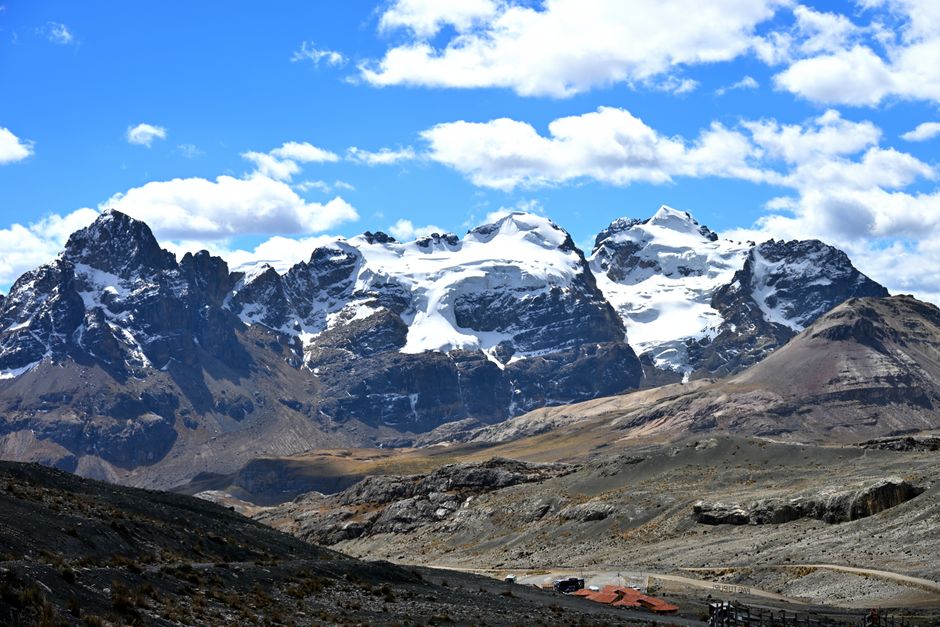
Altitude is the main problem many visitors underestimate. Cusco is high enough to cause headache, poor sleep, shortness of breath, nausea, and unusual fatigue even in people who exercise regularly. Machu Picchu itself is lower, but the route often begins in Cusco or the Sacred Valley, so the first days still require care.
Do not schedule a hard hike, a late-night dinner, and a full day of ruins immediately after landing. Spend the first afternoon walking slowly, drinking water, and eating a light meal. Avoid treating alcohol as part of your acclimatization plan. It can worsen dehydration and disturb sleep when your body is already adjusting.
A safer acclimatization sequence
- Sleep in Cusco for two nights if your schedule allows, but keep day one quiet.
- Move to the Sacred Valley on day two or three if Cusco feels difficult. Towns such as Urubamba sit lower and often feel easier.
- Visit Machu Picchu after at least one calm night in the valley, rather than adding a strenuous mountain hike first.
- Build a buffer day before any high-altitude trek, especially if you plan to visit Rainbow Mountain at more than 5,000 meters.
Seek medical help for severe breathlessness at rest, confusion, blue lips, or symptoms that worsen instead of settling. Basic travel insurance is sensible, but it does not replace a medical decision.
Verdict: The best altitude strategy is a slow first 48 hours and a lower Sacred Valley base before Machu Picchu. Fitness helps with walking; it does not prevent altitude illness.
How should you book Machu Picchu tickets?
Buy the entry ticket before arranging the train
The common mistake is booking a beautiful train schedule first and checking Machu Picchu availability later. Start with the official ticket system, choose the date, entry time, and circuit, then match the train to that commitment. The official online portal is tuboleto.cultura.pe. Keep the passport used for the booking because identity checks can matter at entry.
The current circuit system groups several routes into three broad visitor experiences: panoramic routes, the classic citadel routes, and routes that include alternatives such as Machupicchu Mountain, Huayna Picchu, or Huchuypicchu. A ticket is not a general admission pass that lets you wander anywhere. Your circuit controls the direction and areas you can visit.
Failure modes that cost real money
- Buying the wrong circuit because the route name sounds similar to the viewpoint you want.
- Arriving late for a mountain checkpoint, where tolerance can be stricter than at the main entrance.
- Carrying a large backpack. The official rules restrict bags larger than about 40 x 35 x 20 centimeters.
- Assuming a ticket can be freely changed or refunded. Date and name rules can be restrictive.
- Planning a return flight immediately after the train. Delays, road transfers, and crowded stations make that a poor risk.
Entry times and available routes can change, so check the official Machupicchu site again shortly before departure. Verdict: Secure the official entry ticket first, then buy transport around it. A cheap train is worthless if its schedule conflicts with your circuit.
Which train and budget actually make sense?
My pick: choose the cheapest reliable train that fits your ticket
The train is a transport purchase, not the main attraction. PeruRail Expedition usually offers the leanest standard experience, while the PeruRail Vistadome adds larger windows and a more theatrical carriage for a higher fare. Inca Rail The Voyager is the comparable budget-oriented option; The 360° and The Prime services cost more for added space, views, or service.
Keep the total budget honest
Add domestic flights separately; Lima–Cusco fares often vary widely by date and baggage rules. Check whether your card charges a foreign transaction fee of 0% or 1%–3% before using it abroad. This is not financial advice.
Bottom Line: PeruRail Expedition or Inca Rail The Voyager wins for value. Choose Vistadome when the train itself is part of the experience, not because a premium carriage improves Machu Picchu.
What should you pack for May?
Use layers instead of a heavy suitcase
- A light waterproof shell for sudden showers.
- A warm fleece or thin insulated layer for Cusco mornings.
- Two moisture-wicking shirts, one long-sleeve sun layer, and quick-drying trousers.
- Comfortable shoes with firm grip for stone streets and uneven ruins.
- Sun protection: hat, sunglasses, and SPF 30 or higher.
- A small daypack that fits the Machu Picchu bag limit.
- Medication, copies of prescriptions, and a small first-aid kit.
- Portable battery, since long transport days can outlast a phone charge.
What not to pack
Skip the giant hiking pack, cotton-heavy outfits, expensive jewelry, and shoes that need breaking in. Machu Picchu is not a wilderness expedition for most visitors, but the stone paths punish poor footwear. An umbrella may be useful in town, yet some site rules restrict umbrellas, walking sticks, tripods, and selfie sticks. A compact rain shell is the safer choice.
Bring cash in small Peruvian sol notes for taxis, snacks, and small purchases, but do not carry your entire trip budget in one wallet. Split cards and emergency cash between two secure places.
Verdict: The right May packing list is light, layered, and rain-ready. If your bag cannot fit under a seat or into a small locker, it is probably too large for the train-and-ruins part of the trip.
When should you not choose May for Peru?
Is June better for the clearest weather?
Choose June if your main goal is the highest chance of dry mountain views and you can handle stronger demand. June is part of the more established dry season, but that does not mean every day is sunny. Mornings can still be cold, clouds can roll through, and popular entry times may sell faster.
Is February better for a lower-cost trip?
February can offer lower prices and fewer visitors, but the Inca Trail traditionally closes for maintenance during that month, and wet-season conditions can bring muddy trails, cloud, and transport disruption. It makes sense for flexible travelers who care more about price than perfect views. It is a poor choice for anyone with one fixed Machu Picchu day.
Should you skip Machu Picchu and focus on the Sacred Valley?
Yes, if your schedule is short, your budget is tight, or high-altitude logistics sound exhausting. The Sacred Valley gives you archaeological sites, mountain scenery, local markets, and excellent food without the cost and booking pressure of Machu Picchu. You will miss Peru’s most famous site, but you may enjoy a slower and more human trip.
Verdict: May is the right choice for travelers seeking a balanced mix of weather, access, and cost. As travel in the Andes becomes more tightly managed, the winning strategy will keep shifting toward advance planning, realistic pacing, and choosing depth over a crowded checklist.

About The Author
