
Torres del Paine in February: A Practical Trek Plan
February is late summer in Patagonia, but that does not mean warm, dry, or predictable. The common mistake is treating Torres del Paine like a stable summer resort. Expect strong wind, sudden rain, cold mornings, and trail conditions that can change before lunch. A successful Torres del Paine February trek depends more on route choice, reservations, and spare time than on a sunny forecast.
Is February a good month for Torres del Paine?
Late summer still brings real Patagonia weather
February is one of the most popular months for the park because daylight lasts late, most mountain services operate, and the main trekking routes are normally open. Those advantages come with crowds and higher demand. Temperatures can feel mild in sheltered valleys, then drop sharply when wind moves across Lago Nordenskjöld or the Grey Valley. Rain can arrive sideways. A clear morning at Puerto Natales says very little about conditions near the passes and viewpoints.
Pack for three seasons in one day. A waterproof shell, warm mid-layer, sun protection, and dry spare socks matter more than a large collection of technical clothing. Check the official CONAF park information shortly before departure because trail closures, safety rules, and access conditions can change.
February is busy, not automatically easier
The late-summer advantage is operational, not guaranteed comfort. Campsites and refugios can sell out, boat connections can be delayed by wind, and a popular viewpoint may feel crowded during the best light. The upside is that longer daylight gives you more room to start early and absorb a slow day. The downside is that many hikers mistake daylight for extra safety and finish stages too late.
My verdict is clear: February is the best month for a first serious Torres del Paine trek if you can reserve early, carry proper rain protection, and leave at least one buffer night outside the circuit. It is a poor choice for anyone expecting resort-style weather or a fixed schedule with no room for delays.
W or O: Which Torres del Paine route fits February?
The route comparison
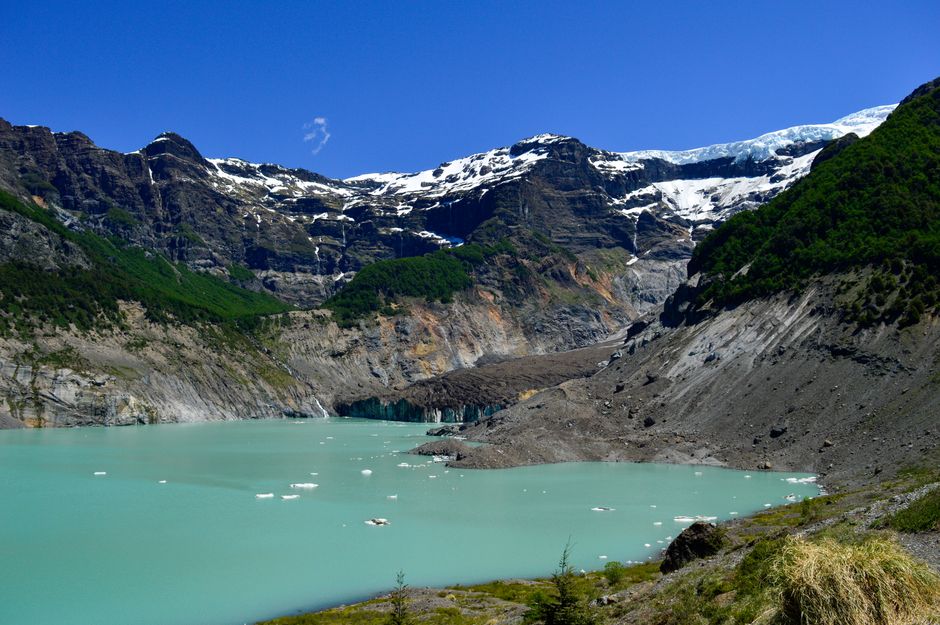
The W is the better choice for most February visitors. It covers the park’s three headline viewpoints in roughly three to five trekking days and gives you more transport and lodging options. The O Circuit adds remote terrain, longer stages, and a higher cost in time and logistics. It suits hikers who already know how they handle wind, wet gear, and consecutive long days.
| Route | Typical time | Main sights | February judgment |
|---|---|---|---|
| W Trek | 3 to 5 days | Base Torres, French Valley, Grey Glacier | Best first trek and easiest to shorten |
| O Circuit | 8 to 10 days | W sights plus Serón, Dickson, Los Perros, and John Gardner Pass | Best for experienced hikers with spare days |
| Day hikes | 1 to 3 days | Base Torres, Grey, Lago Pehoé, and road viewpoints | Best when lodging or fitness limits a full circuit |
Why the O Circuit needs more margin
CONAF lists the Macizo Paine, also called the O Circuit, as an eight- to ten-day route. The remote northern section contains longer stages and fewer easy exit points. The John Gardner Pass can be affected by cloud, snow, ice, and wind even during late summer. A missed connection is harder to solve there than on the W.
The W also requires accommodation reservations for overnight mountain travel. The park’s reservation guidance explains that hikers need confirmed camping or refugio bookings before entering the mountain area.
Bottom Line: Choose the W for a first February visit, choose the O only when you have strong multi-day experience and at least one spare weather day, and choose day hikes when a rigid schedule matters more than completing a named circuit.
How to book a February trek without losing the itinerary
Book in this order
- Choose the route and direction first. Decide whether you want to walk east to west or west to east before booking beds, buses, or boats.
- Reserve every night in sequence. Match each reservation to a real walking stage. Do not book a cheap night at the wrong camp simply because it appears available.
- Buy the park pass. The 2026 official tariff lists CLP 48,500 for a foreign visitor staying more than two days. Check the final price and entry conditions at the park’s 2026 fees page.
- Reserve transport after the camps. Add the catamaran, bus, and airport transfer only after the mountain itinerary is locked.
- Save proof offline. Keep booking confirmations, passport details, emergency contacts, and insurance information on your phone and in a separate cloud folder.
The hidden cost of a rushed booking
Accommodation prices vary by camp, room type, and meal plan, so a single trip total can mislead. Build a separate line for park entry, bus transfers, catamaran transport, meals, gear rental, and one weather buffer night. Foreign transaction fees can add 0% to 3% to overseas purchases, and a credit-card balance carrying roughly 20% to 35% APR can make a manageable trip much more expensive. This is not financial advice; check your card agreement and pay attention to the currency conversion before confirming payment.
Do not assume a booking platform has solved the whole trip. Camps, park entry, transport, and flights may sit with different operators. The failure mode is simple: one missing night breaks the entire route.
What to carry when Patagonia changes mood
My strongest gear opinion
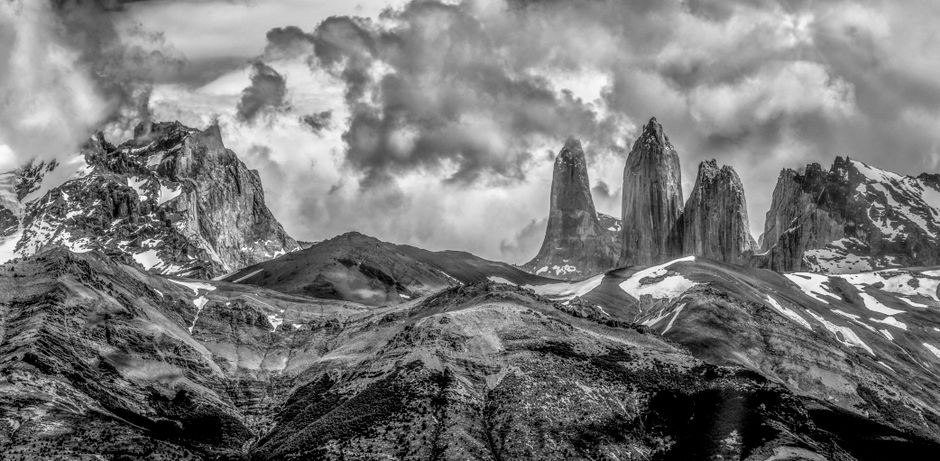
Spend first on weather protection, not ultralight accessories. A leaking shell or wet footwear can end a trek faster than a heavy backpack. It is not magic, but a real rain shell beats a fashion jacket with a water-resistant label.
The tradeoff is weight and drying time. If your feet run hot or you expect mostly dry trail, a lighter non-GTX shoe may be more comfortable. Do not buy boots a week before departure and expect blisters to disappear on day two.
Three small choices that prevent large problems
- Use two waterproof liner bags inside the pack. A pack cover alone can let wind-driven rain reach clothing through the back panel.
Navigation and emergency contact
Download offline maps and carry a paper route map. It is useful for remote travel, but it does not replace a route plan, a charged phone, or the rule to turn around when conditions worsen. Generic tips still matter: start with dry socks, protect electronics, and keep one food portion untouched for an unexpected delay.
When is a February trek the wrong trip?
Choose day hikes instead
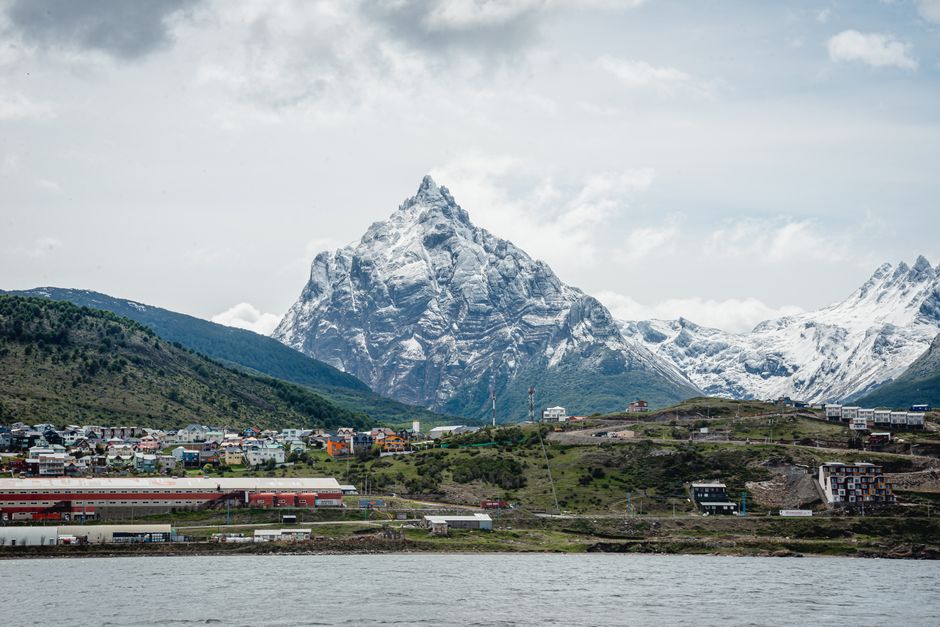
If you have only two or three fixed days, dislike carrying wet gear, have a recent injury, or cannot secure consecutive campsite bookings, a day-hike plan from Puerto Natales is the smarter purchase of time and money because it preserves the major viewpoints without turning one delayed boat or storm into a ruined itinerary.
Choose a full trek instead
If you want solitude, remote scenery, and the satisfaction of carrying your own schedule, the O Circuit can justify its extra nights, food planning, and exposure, but only when you have enough fitness, experience, and financial room for an unplanned night; the route is not a prestige upgrade for every traveler, and a shorter W Trek often delivers more scenery per day with fewer failure points.
Bottom Line: Plan February in Torres del Paine as a weather-sensitive expedition with a budget buffer, not as a guaranteed summer holiday. The single most important takeaway is to reserve the W Trek early and leave enough time to turn back when Patagonia stops cooperating.
About The Author
