
London Half-Term in February: A Rainy-Day Plan
February half-term in London can turn into a wet, cold shuffle between tube stations, cafés and an expensive attraction that disappoints everyone. Do not build the week around outdoor sightseeing. Pick one indoor area, book the attractions that need timed entry, and leave space for lunch and a warm escape.
My clear recommendation: use South Kensington as your first rainy-day base. The Natural History Museum, Science Museum and Victoria and Albert Museum sit close together, so one downpour does not wreck the day. For younger children, choose one museum plus one hands-on activity. For older children, swap the second museum for the Tower of London or The Postal Museum.
How to rescue a February day when the rain will not stop
Start with one indoor base, not a city-wide checklist
London is spread out, and wet-weather travel makes every crossing feel longer. A family that tries to fit the British Museum, the Tower of London and the London Eye into one day will spend too much time changing trains and not enough time enjoying anything. Pick a cluster first. South Kensington works for science and natural history. Covent Garden works for transport, theatre and central shopping. The City works for the Tower, the Museum of London Docklands and the river corridor.
Keep the first attraction within ten minutes of the station or the next indoor stop. That small rule matters when children are tired, coats are dripping and the pavement is crowded. It also gives you a sensible fallback. If the first museum is full, you still have another building nearby instead of a family argument beside a bus stop.
Use the two-hour rule
Most children do not need six hours of exhibits. Plan two focused hours inside, thirty to sixty minutes for food, then another ninety minutes. That is enough for a strong day without forcing everyone through the final galleries on autopilot.
Bring a small snack, but do not plan to eat while walking between attractions. Wet weather slows buses, queues grow during school holidays and cafés fill quickly. Reserve a lunch window before you arrive. If the forecast shows heavy rain all day, start at opening time, put the most popular building first and save the simplest stop for late afternoon.
Check the small print before leaving the hotel
Free admission does not always mean walk-up admission. Some museums release free timed tickets, while special exhibitions, cinemas, play spaces and workshops need separate bookings. Check opening hours, last entry, bag rules and the age range for children’s activities on the official venue page on the morning of your visit. February half-term schedules can change.
Which London indoor attraction suits your family?
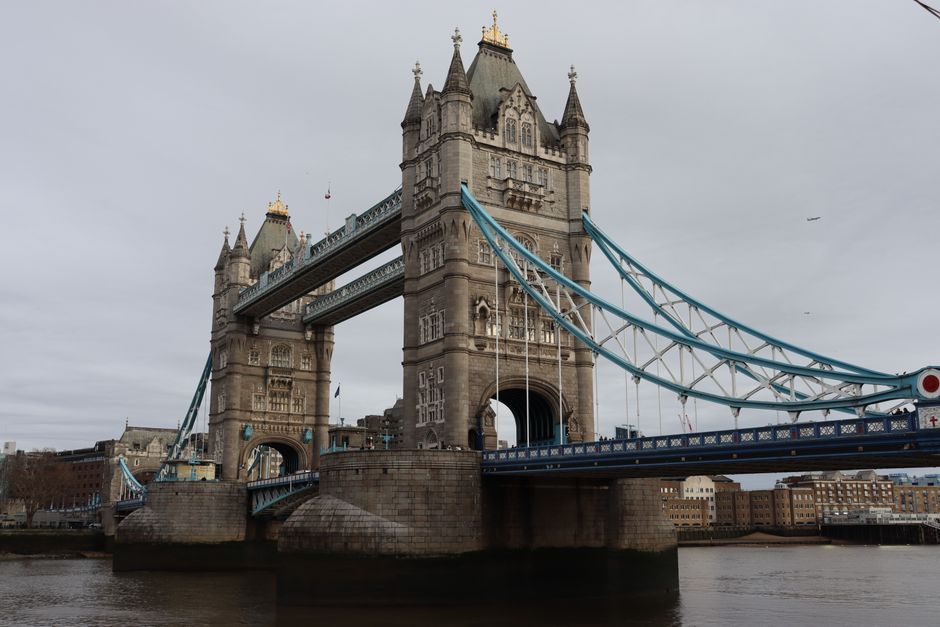
The fastest comparison
These are the strongest rainy-day choices for a February half-term trip. Prices are useful 2026 planning figures and can change by date, donation option or online availability, so check the official booking page before paying.
| Attraction | Best for | Typical admission | Allow | Main catch |
|---|---|---|---|---|
| Natural History Museum | Dinosaurs, animals and mixed ages | Free general entry; exhibitions extra | 2–3 hours | Very busy during school holidays |
| Science Museum | Hands-on science and space | Free general entry; Wonderlab and films extra | 2–4 hours | Popular paid galleries need booking |
| London Transport Museum | Children who like buses, trains and buttons | Adult from £27; under-18s free | 2 hours | Adults pay, even when children enter free |
| Tower of London | Older children and history fans | Adult £37; child aged 5–15 £18.50 | 3–4 hours | Expensive and partly outdoors between buildings |
| The Postal Museum | Families wanting a smaller, unusual visit | Adult £20.50; child aged 2–17 £11 | 2–3 hours | Mail Rail and play areas have their own limits |
| SEA LIFE London Aquarium | Marine life and a fully indoor route | From £28 per adult online | 90 minutes–2 hours | Dynamic pricing and timed entry |
Best value: the Natural History Museum or Science Museum, because general admission is free and you can leave when attention runs out. Best paid choice for younger children: London Transport Museum. The buses and interactive displays give children something to do rather than asking them to stare at cases.
Why the Natural History Museum is the best free first choice
Choose the Natural History Museum first if you need one safe answer for mixed ages. Dinosaurs give younger children an immediate hook, the building itself feels special, and older children can move into fossils, volcanoes, human evolution or climate science without changing venue.
What to see in a short visit
Start in Hintze Hall, then pick dinosaurs or the Earth galleries. Do not promise the entire museum. The building is big enough to swallow half a day, and school-holiday crowds make slow progress normal. A two-hour route with three clear stops beats four hours of wandering while everyone gets hungry.
General admission is free, but the museum advises booking a free ticket to guarantee entry during busy periods. Special exhibitions cost extra. For example, the museum has listed paid experiences such as the roughly twenty-minute Visions of Nature mixed-reality session at £9.95 for non-members, suitable for visitors aged ten and over. That is a useful add-on for teenagers, not a reason to drag a preschooler across town.
When to choose the Science Museum instead
Pick the Science Museum when your children need to touch, test and control something. Its free galleries cover space, medicine, flight and technology, while Wonderlab and IMAX screenings cost extra. General opening hours are typically 10am to 6pm, but paid activities have their own schedules.
The verdict is simple: Natural History Museum for the broadest age range; Science Museum for children who ask how machines work. Do not buy a paid add-on until you know the free galleries have held their attention.
Which attraction should you choose for different ages?
Is the Tower of London worth the price in February?
Yes, for children roughly eight and over who enjoy castles, executions, royal stories and treasure. The Crown Jewels and White Tower provide strong indoor sections, but the Tower is not completely weatherproof. You will walk between buildings and may queue outside. Choose it on a day with showers rather than hours of heavy rain. At listed 2026 prices, an adult ticket is £37 and a child ticket aged five to fifteen is £18.50, so a family of four can spend more than £110 before food. That makes the Tower a deliberate history day, not a cheap wet-weather backup.
Is the London Transport Museum better for younger children?
Usually, yes. Real buses, Underground trains and interactive controls give children a clear reason to keep moving. Adult admission starts around £27, while children and young people aged eighteen and under can enter free under the current offer. Book timed entry and check the rules before travelling. The museum is the best pick for a three-to-eight-year-old who has already rejected quiet galleries.
When should you choose The Postal Museum or SEA LIFE?
Choose The Postal Museum when you want a compact visit with an unusual story. Standard prices list adults at £20.50 and children aged two to seventeen at £11, with Mail Rail included in the main ticket and the museum offering a year of return access. Choose SEA LIFE London Aquarium when the children want animals but the adults need a completely indoor route. Online tickets start from £28 per adult, but prices change by date. Do not buy a multi-attraction pass just because it looks cheap: if rain, tiredness or illness cancels the second visit, the saving disappears.
A practical three-day rainy-day plan for February half-term
Day one: South Kensington
Book the Natural History Museum for 10am. Spend two hours on dinosaurs and the Earth galleries, then take a proper lunch break. If everyone still has energy, visit one focused Science Museum gallery in the afternoon. If not, return to your accommodation. This is the strongest first day because it offers free entry, short travel between venues and an easy exit.
Day two: central London with a clear theme
For younger children, book the London Transport Museum in the morning and keep Covent Garden as the dry-weather buffer. For older children, book the Tower of London and allow at least three hours. Carry waterproof shoes and do not stack the Tower with another major attraction. The building is indoors, but the route around it is not.
Day three: choose the weather-proof backup
Use The Postal Museum for a smaller, calmer day, or choose SEA LIFE London Aquarium for a fully indoor animal visit. Arrive at the booked time, keep lunch nearby and avoid crossing London for a second appointment. The best February itinerary is not the one with the most attractions. It is the one that still works when the forecast is wrong, a child is tired and the rain starts before breakfast.
For most families, book the Natural History Museum as the first choice, keep the Science Museum as the free nearby alternative, and choose the London Transport Museum when younger children need hands-on exhibits. That combination gives you the best balance of cost, shelter and genuinely enjoyable time indoors.

Greek Street Live, Soho London

Mama Shelter: Hotel and Restaurant in East London

The Brush East London Grand Café, Hoxton
About The Author
