
Spring Walks in Central London: March Parks 2026
Which Central London parks are genuinely worth visiting in March, when the weather can switch from bright sun to cold rain within an hour? Start with St James’s Park and Green Park for the easiest central circuit, choose Hyde Park and Kensington Gardens for a longer open-air walk, or head to Regent’s Park and Primrose Hill for early flowers and a wide city view. March rewards visitors who plan around light, shelter and seasonal detail rather than expecting every garden to look like June.
How do Central London’s March walks compare?

Use the table below to match the route to your available time and energy. Distances are practical walking estimates rather than measured race routes; crowds, photographs and detours will change the total.
Route comparison
| Route | Approximate distance | Walking time | Best March feature |
|---|---|---|---|
| Green Park to St James’s Park | 2.5 km | 60–90 minutes | Early bulbs, lake views and palace scenery |
| Hyde Park to Kensington Gardens | 3.5 km | 90–120 minutes | Long paths, water, monuments and open lawns |
| Regent’s Park to Primrose Hill | 3 km | 90–120 minutes | Garden structure, woodland edges and skyline views |
| Holland Park and Kyoto Garden | 2 km | 60–90 minutes | Camellias, woodland paths and a compact Japanese garden |
The practical winner
Pick Green Park and St James’s Park when you want maximum scenery with minimum route planning. Choose Regent’s Park when the view from Primrose Hill matters more than historic landmarks. Holland Park works best for a slower, quieter afternoon, while Hyde Park and Kensington Gardens suit visitors who want space to keep walking after the first hour. None of these routes needs a paid attraction to feel worthwhile, which keeps March sightseeing flexible when the forecast changes.
What can you actually see in London gardens during March?
Early flowers rather than peak displays
March sits between winter structure and the full spring show. Look for crocuses close to lawns and tree bases, daffodils in formal beds, snowdrops in shaded areas and primroses along quieter borders. Some shrubs begin to flower before the trees regain their leaves, so March gardens often feel open and bright even when the colour palette remains restrained. St James’s Park tends to offer the most polished seasonal planting on a short route, while Regent’s Park gives you broader views of lawns, avenues and formal garden shapes.
Camellias, magnolias and sheltered corners
Holland Park can provide stronger early colour because its sheltered gardens support shrubs that dislike exposed wind. The Kyoto Garden has a more enclosed mood, with ponds, rocks, clipped planting and changing views through branches. Magnolia season varies by weather and location, so treat it as a bonus rather than the reason to cross London. A cold March can delay flowers; a mild March can bring a short burst of colour before the month ends. The useful skill is reading the garden at ground level instead of judging it only by large flowerbeds.
Wildlife and the first signs of spring
Look beyond flowers. Waterfowl remain easy to spot around the lakes, squirrels become more active, and birdsong grows more noticeable before dense leaves block the view. Early morning walkers may see the parks before maintenance crews and large visitor groups arrive. March is best for detail and space, not guaranteed floral spectacle. That trade-off makes it a strong month for photographers and walkers who prefer texture, reflections and fresh growth to crowded summer displays.
How should you plan a weather-proof park walk?

London’s March weather rewards a plan with escape points. Follow these steps before leaving your hotel or station:
A simple five-step plan
- Check the hourly forecast, not only the daily high. A dry 90-minute window matters more than a vague promise of sunshine.
- Start near a station and finish near another one. Green Park, St James’s Park, Hyde Park Corner, Lancaster Gate, Regent’s Park and Baker Street all give you useful exit options.
- Choose one indoor fallback nearby, such as a museum, gallery, café or historic house. The fallback should sit beside the route, not require another long walk.
- Leave the most exposed viewpoint for the middle of the walk. Primrose Hill and broad Hyde Park paths feel much colder when rain arrives with no shelter close by.
The best daily timing
Late morning usually gives March visitors a good balance of daylight, open facilities and manageable crowds. If the forecast shows a clear afternoon, start around midday and finish before dusk. Avoid building the whole plan around sunrise unless you already know the route, because wet paths and low light can hide muddy edges and uneven paving. A flexible plan protects the experience better than a long checklist.
My strongest recommendation: choose Regent’s Park for a proper spring walk
For visitors who want one memorable March walk, Regent’s Park and Primrose Hill are the best overall choice. The route offers more variety than a short palace circuit: formal gardens, broad avenues, wooded edges, open grass and a high viewpoint over London. You can keep the walk gentle by staying on level paths, or add Primrose Hill when the sky is clear. The setting changes often enough that the route feels like an outing rather than a transfer between landmarks.
Why it beats the shorter central circuit
St James’s Park wins for convenience, but Regent’s Park gives you more room to notice the season. March light moves across the lawns, early plants stand out against bare branches, and the park’s scale creates quieter stretches even on a busy weekend. The route also works for repeat visitors because you can approach from different stations and vary the finish.
When to choose another park instead
Do not choose Regent’s Park if your day already centres on Westminster, Buckingham Palace or Trafalgar Square. In that case, Green Park and St James’s Park save transport time and still provide a strong spring experience. Choose Holland Park if you want enclosed gardens and a calmer pace. Choose Hyde Park if you want a long, mostly open route with room to walk without repeating the same path. The clear verdict is simple: Regent’s Park offers the richest walk, but St James’s Park offers the best convenience.
What mistakes spoil a March garden walk?
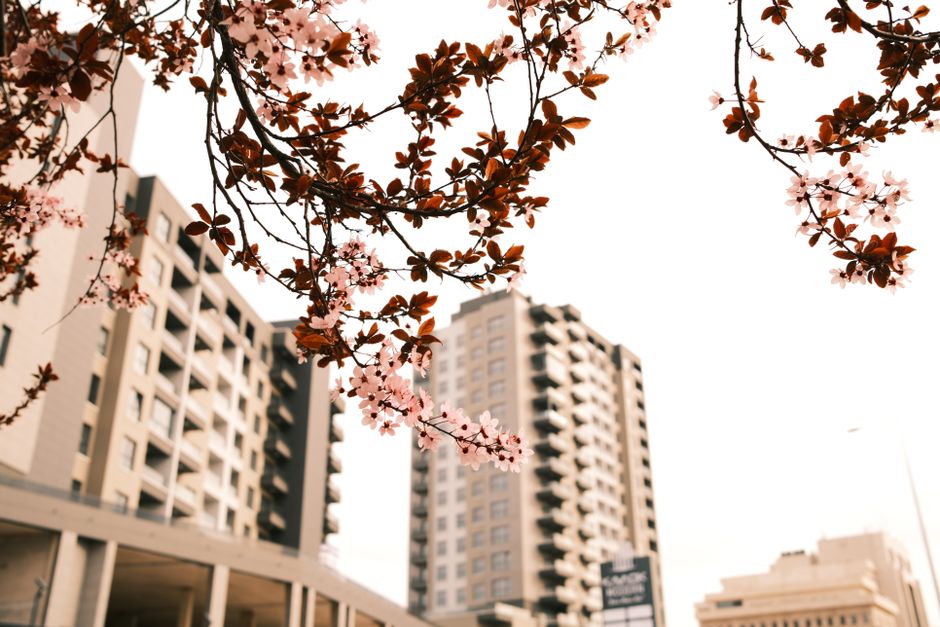
Should you plan around flowers alone?
No. Flowering dates move with temperature, rainfall and the position of each garden. A visitor who expects every border to look full may leave disappointed, even when the park offers excellent light, birds, architecture and open views. Build the route around three different rewards: seasonal planting, a landmark or viewpoint, and a place to warm up.
Is one pair of shoes enough?
Only if those shoes handle wet paving and soft ground. March paths can stay damp after a bright morning, especially beside lakes and under trees. Avoid a route that depends on lawns when rain has fallen overnight. Keep to paved or compacted paths, and do not cross planted beds for a closer photograph.
Which timing errors matter most?
- Starting too late and reaching the viewpoint after the best daylight has faded.
- Choosing Primrose Hill during strong wind without a sheltered alternative.
- Assuming every garden or conservatory has the same March opening pattern as the surrounding park.
- Planning four distant parks in one day and spending the afternoon on buses instead of walking.
The most common failure is overpacking the itinerary. Two well-chosen parks create a better day than five rushed stops, especially when March rain forces breaks.
How can you turn two parks into a satisfying half-day?
A balanced half-day route
Begin at Regent’s Park in late morning, walk through the formal garden areas, then continue towards Primrose Hill if the weather stays clear. Allow two hours with stops. After lunch, travel south to Hyde Park or Kensington Gardens for another 90 minutes beside the water and monuments. This pairing gives you a designed garden, a viewpoint and a broad open park without repeating the same landscape. If rain arrives, end the first walk near Baker Street and move the second park to another day.
The answer to the opening question
So, which Central London parks deserve a March visit? Start with St James’s Park for the easiest first walk, choose Regent’s Park for the most complete spring outing, and use Holland Park when quiet garden detail matters more than famous views. Expect early colour rather than summer abundance, leave room for weather changes, and let the route finish near warmth and transport. That is how a cold, changeable March day becomes the spring walk you hoped for when you left the hotel.


About The Author
