
Melbourne in January: Festivals, the Australian Open and Beach Days
Melbourne’s average January high is about 26°C, but the average low is close to 15°C. That 11-degree swing explains the city’s summer personality: bright beach weather at lunch, cool wind by sunset, and four different plans competing for your evening. The best Melbourne trip in January combines one major event, one flexible festival day and one beach day. It does not try to fill every afternoon.
What Should You Pack for Melbourne’s January Weather?
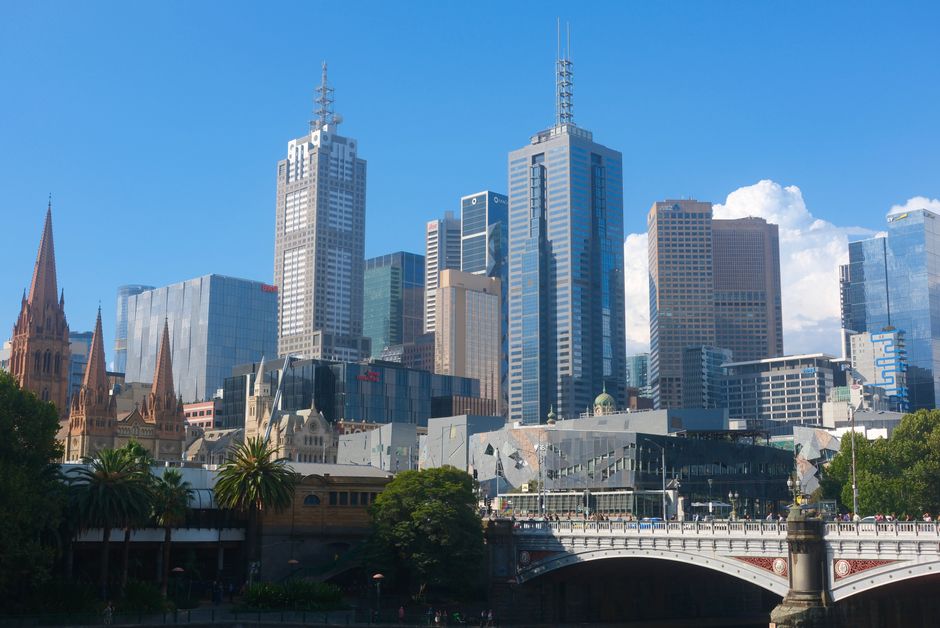
Pack for two climates in one day. A heavy suitcase is the wrong answer. The useful system is a light base layer, a shirt or overshirt, a thin rain layer and sun protection that stays in your day bag.
Dress for 26°C afternoons and 15°C evenings
Start with breathable shorts, trousers or a light dress. Add a cotton or merino layer for indoor venues, where air conditioning can feel cold after a hot walk. A thin overshirt handles the first evening wind better than a bulky jumper. Choose comfortable shoes with real grip because a single day can include a tram stop, a stadium concourse, a riverside walk and several kilometres of city streets.
Build a small heat-and-weather kit
Carry a refillable bottle, sunglasses, a hat and sunscreen. Melbourne’s UV level can be high even when the air feels mild. A compact rain shell also earns its space because summer showers arrive quickly. Keep your phone, transport card and battery pack in a zipped pocket. At the Australian Open, avoid carrying a large backpack that slows security checks and becomes uncomfortable in the sun.
Three named items that are genuinely useful
For long beach walks, the Sea to Summit Ultra-Sil Day Pack 20L weighs about 72g and folds into a small pouch. The Cancer Council Active SPF50+ 200ml sunscreen is a practical choice for repeated outdoor days because it offers four-hour water resistance. For checked luggage, an Apple AirTag measures 31.9mm across, weighs 11g and has a replaceable battery rated for more than a year. These are useful tools, not reasons to overpack.
How Should You Plan Australian Open Days?
The Australian Open works best as a planned anchor, not a last-minute add-on. Put the tennis in the middle of your trip, when you have already adjusted to the city and still have energy for a second major outing.
Which session should you choose?
Choose a day session if you want tennis plus dinner, street food or a festival afterward. Choose a night session if the main match matters more than sightseeing and you want cooler temperatures. Early rounds usually give you more matches across several courts, while later rounds offer higher stakes but fewer opportunities to wander. My pick for first-time visitors is one day session followed by a relaxed evening in Richmond or Southbank.
How early should you arrive?
Arrive at least 60 to 90 minutes before the start of a major session. Allow extra time for transport, security and finding your seat. SkyBus Melbourne City Express usually takes about 30 to 35 minutes from the airport to the city, but airport delays and event crowds can stretch the journey. From central Melbourne, rail connections to Richmond are usually simpler than driving. Put your ticket, identification and transport card in one accessible pocket.
What mistake ruins an Open day?
The most common mistake is treating the stadium as a quick stop between other bookings. You may spend hours in queues, sun and crowded concourses. Do not schedule a timed museum entry across town immediately after a session. Drink before you feel thirsty, check the venue’s current bag and bottle rules, and leave your evening open enough to absorb a delayed match or a slow trip home.
Which January Festivals Are Worth Building Around?
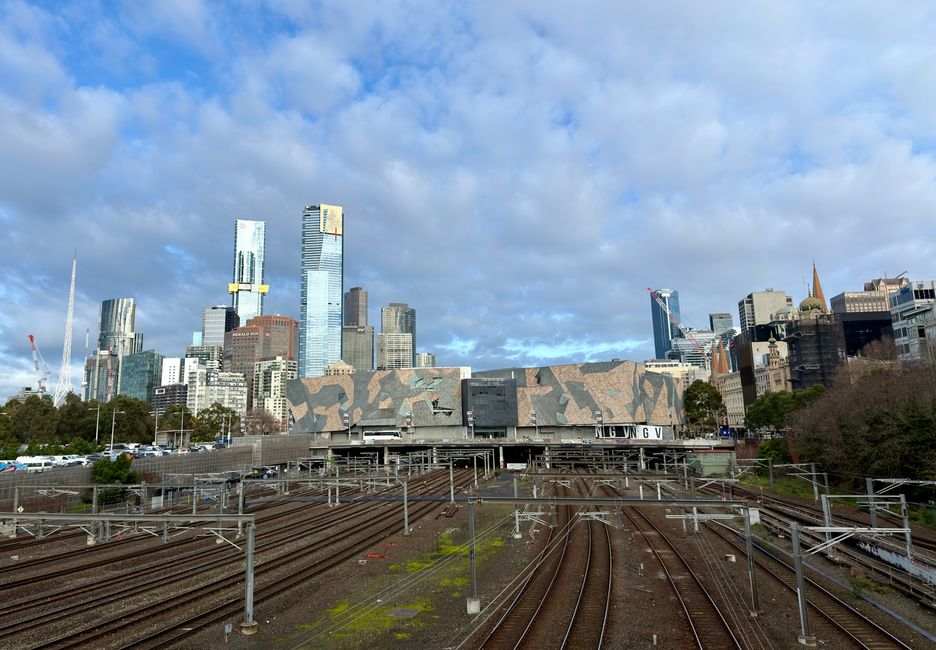
Build around Midsumma if you want the strongest festival atmosphere. Choose MPavilion or a concert at the Sidney Myer Music Bowl if you prefer flexible outdoor culture that can fit around tennis and sightseeing.
- Midsumma Festival: Usually running from mid-January into early February, it spreads performances, exhibitions and community events across Melbourne. Pick one event first, then add nearby food or bars instead of crossing the whole city.
- MPavilion: Its summer program suits travellers who want design, talks, music and public events without buying a full-day pass. It is a strong backup when rain or heat changes your plan.
- Sidney Myer Music Bowl: Check the 2026 program for large outdoor concerts and free or low-cost public events. Bring a layer because lawns feel cooler after dark than the city streets.
- Neighbourhood events: Fitzroy, Carlton, Richmond and St Kilda often offer smaller performances, markets and food-led evenings. These plans require less booking and reveal more of Melbourne than a single major venue.
Best festival strategy
Book one event with a fixed start time. Keep the rest of the day loose. Festival schedules change, weather affects outdoor venues and a long tennis session can leave you tired. Melbourne rewards a two-hour gap before any evening booking.
The failure mode to avoid
Do not collect tickets simply because an event looks popular. Three fixed bookings in one day create a transport problem, not a richer trip. Select one main event, one nearby meal and a free hour for wandering.
Which Beach Day Is Best Near Melbourne?
St Kilda is the best beach for a first-time visitor because it is easy to reach and pairs with cafés, the pier and sunset views. Choose Brighton for a shorter, more scenic outing, Williamstown for a calmer bay atmosphere, or Sorrento and Portsea when the beach deserves a full day.
| Beach | Typical trip from central Melbourne | Best for | Main drawback |
|---|---|---|---|
| St Kilda | About 20–30 minutes by tram | First visits, cafés, pier and sunset | Busy on hot weekends |
| Brighton | About 35–45 minutes by train | Beach boxes, photos and a short swim | Less room for a quiet towel spot |
| Williamstown | About 30–40 minutes by train | Bay views, history and a slower afternoon | Less classic surf-beach scenery |
| Sorrento or Portsea | Roughly 90 minutes by car, longer by public transport | A full coastal day and clearer water | Too far for a spare two-hour gap |
How to make the beach day work
Leave before 9am, especially on a hot weekend. Take water, sunscreen, a hat and a light layer for the return trip. Check the day’s wind and swim conditions before choosing between a bay beach and the open coast. St Kilda is the right answer when you want convenience; Sorrento is the better answer when the coastline is the main purpose of the day.
When not to choose St Kilda
Skip St Kilda if you want quiet sand or a long uninterrupted swim. Its convenience brings crowds, traffic and a busy promenade. Brighton is the better compromise for photos and a simple half-day. For a genuine coastal escape, sacrifice the travel time and choose the Mornington Peninsula.
What Does a Smart Seven-Day January Itinerary Look Like?
The best seven-day plan uses the Australian Open as one anchor, not the whole schedule. Keep the first day light, place the beach after a recovery morning and reserve the final day for weather changes or a neighbourhood you have not yet seen.
The sequence I recommend
- Day 1: Stay central. Walk the river, explore the laneways and stop early after the flight.
- Day 2: Visit the National Gallery of Victoria, Southbank and a nearby restaurant. Use this as an indoor-heavy day if the heat is strong.
- Day 3: Attend an Australian Open day session. Keep the evening simple and close to your accommodation.
- Day 4: Take a slower morning, then choose Midsumma, MPavilion or a neighbourhood event.
- Day 5: Spend the day at St Kilda, Brighton or Williamstown. Pick one, rather than trying to tour all three.
- Day 6: Use a flexible cultural day for the Melbourne Museum, Fitzroy, Carlton or a second tennis session.
- Day 7: Keep the final morning open for shopping, a missed attraction or weather recovery before departure.
What to cut first
Cut the second distant beach before cutting rest time. Cut a minor event before cutting the Australian Open session you travelled to see. This order keeps the trip enjoyable when heat, crowds or transport delays take more time than expected.
The single most important takeaway: plan Melbourne in January around one major tennis session, one flexible festival evening and one well-timed beach day.
About The Author
