
Sydney in Late March 2026: What to See and Do
You arrive in Sydney in the last week of March expecting beach weather, but the first evening feels cooler than summer. The harbour still shines, the ocean remains swimmable for many visitors, and the city has fewer peak-season crowds. The main change is daylight: sunset moves from about 7:08pm on March 19 to about 6:52pm on March 31, while daylight saving still runs in New South Wales. That gives you long afternoons, but not endless beach time.
Sydney in late March is best approached as a mixed outdoor and indoor trip. Put coastal walks, ferries, gardens, and harbour viewpoints in the clearest part of each day. Keep a museum, gallery, or food-focused plan ready for sudden rain or a cool wind.
What is Sydney weather like in late March?
Late March sits between Sydney’s hot summer and its cooler autumn months. The Bureau of Meteorology records a March mean maximum of about 26.8°C at Sydney Olympic Park, but temperatures vary across the city. Beaches can feel cooler because of sea breezes, while inland suburbs may feel warmer in the afternoon. Rain can arrive quickly, so a perfect forecast is not a reason to leave a light layer behind.
The most useful conditions to plan around
Expect warm afternoons, mild evenings, bright sun between passing showers, and cooler conditions after sunset. Pack breathable daytime clothing, a light waterproof jacket, comfortable shoes, and sun protection. Swimming can still be pleasant, but check beach patrols and water conditions before entering the ocean. The Bureau of Meteorology city climate data is more useful than relying on a single weather app forecast.
A practical late-March schedule
| Time | Best use | Good locations |
|---|---|---|
| 7:00–10:00am | Walking and viewpoints before the strongest heat | Bondi to Coogee, Barangaroo Reserve, The Rocks |
| 10:00am–2:00pm | Gardens, museums, lunch, or a ferry ride | Royal Botanic Garden, Sydney Opera House, Manly |
| 2:00–5:30pm | Beach time or a second outdoor district | Bondi, Watsons Bay, North Head |
| After 5:30pm | Harbour views, dinner, or an indoor cultural visit | Circular Quay, Barangaroo, Darling Harbour |
Check sunset before booking a long walk. On March 31, 2026, the sun sets at roughly 6:52pm in Sydney, so start coastal routes earlier than you would in January.
Which Sydney sights are best in late March?
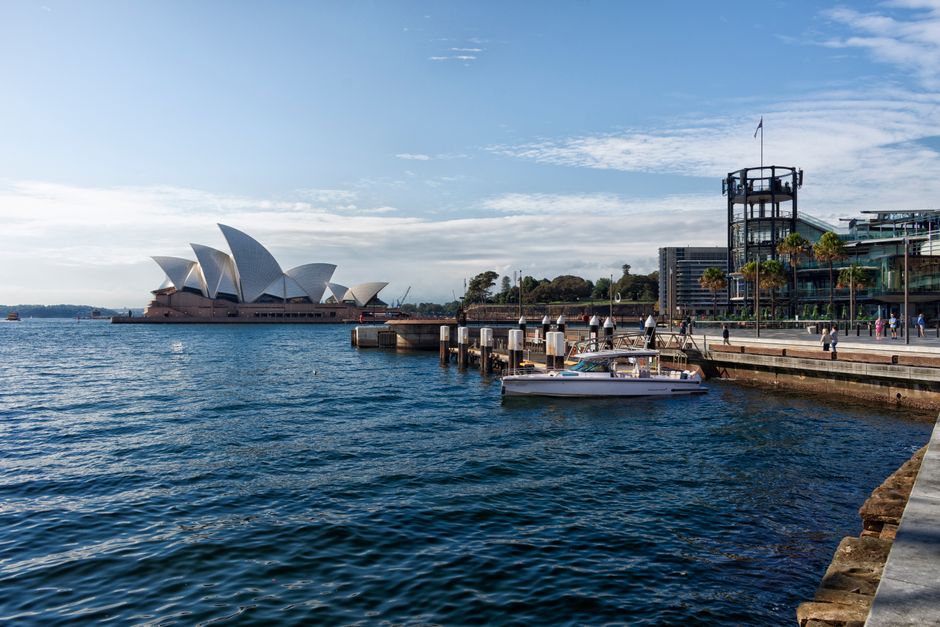
My clear recommendation is to make the harbour and coast the backbone of your trip, then use museums and galleries as weather insurance. Late March is not the time to spend every day moving between indoor attractions. Sydney’s best experiences come from seeing how the city, water, cliffs, parks, and neighbourhoods connect. Start at the Royal Botanic Garden, walk toward the Sydney Opera House, and continue around Circular Quay before crossing the harbour by ferry. This route gives you major landmarks without wasting a morning on separate transfers.
For the first clear day
Walk through the Royal Botanic Garden Sydney, pause at Mrs Macquaries Point, and continue toward the Opera House. The route is easy, scenic, and flexible. You can stop after the harbour views or continue through The Rocks. The garden is a stronger first stop than a rushed attraction queue because it helps you understand Sydney’s geography immediately: the city centre, harbour, bridge, opera house, and water all sit within one compact view.
For a second outdoor day
Choose the Bondi to Coogee Coastal Walk if you want cliffs, beaches, pools, and neighbourhood cafés in one outing. Start early, allow around two hours for a steady walk without long stops, and add extra time for photographs. For a gentler harbour day, take the ferry to Manly, walk toward North Head, and return before evening. Manly is the better choice for travellers who want a full change of scenery without leaving the metropolitan area.
How should you build a late-March Sydney itinerary?
A good itinerary protects the best outdoor experience each day instead of trying to cover every famous place. Sydney’s distances look small on a map, but steep paths, ferry waits, beach stops, and viewpoints can turn a short route into a full day. Use one main geographic area per day.
A five-day structure that works
- Day one: Harbour introduction. Walk from Circular Quay through the Royal Botanic Garden, see the Sydney Opera House from the outside, and finish around The Rocks.
- Day two: Eastern beaches. Start the Bondi to Coogee Coastal Walk early. Stop at Bronte or Clovelly if the full route feels too long. Finish with a relaxed meal near the water.
- Day three: Culture and weather backup. Visit the Art Gallery of New South Wales, the Australian Museum, or the Museum of Contemporary Art Australia. Pair one major museum with a short outdoor walk.
- Day four: Harbour suburb. Take a ferry to Manly or Watsons Bay. Choose Manly for a beach-and-walk day; choose Watsons Bay for shorter walks and harbour views.
- Day five: Flexible finish. Use the clearest forecast for a missed outdoor plan. If rain persists, combine Barangaroo, a gallery, and a long lunch instead of forcing a distant day trip.
The mistake that ruins this plan
Do not place the Bondi to Coogee walk after a late arrival, a long flight, or a forecast of strong wind and heavy rain. The track includes stairs, exposed sections, and uneven ground. A shorter section from Bondi to Bronte is a better fallback than turning a scenic walk into an uncomfortable endurance test. Check current transport alerts and ferry routes through Transport for NSW before leaving, especially on weekends or during scheduled maintenance.
What should you do if the weather changes?
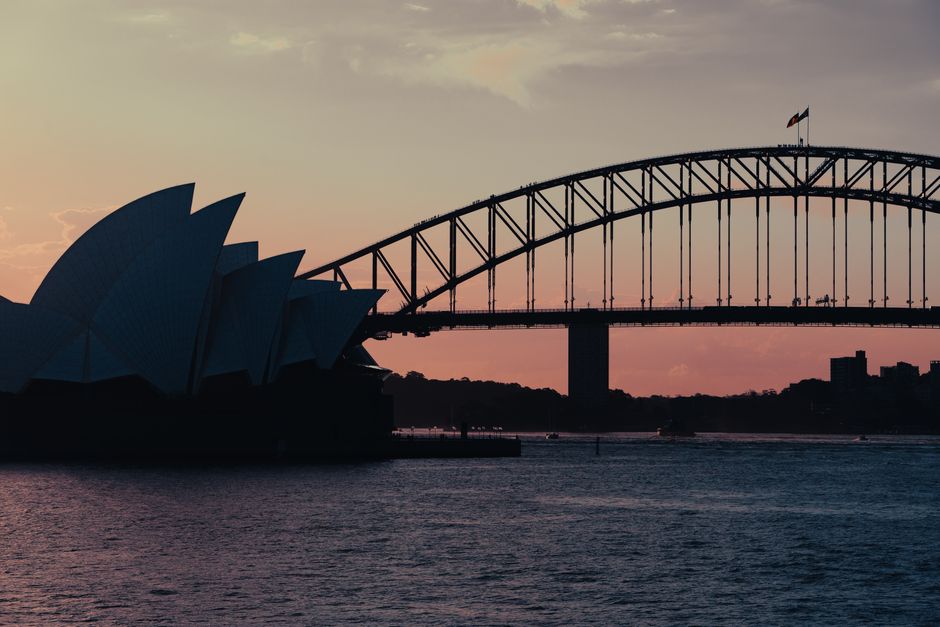
Rain does not ruin Sydney, but it changes the order of your day. The best response is to move inland or indoors while keeping one short outdoor stop nearby. Avoid crossing the city repeatedly in wet weather; Sydney’s traffic and transfer times can make a simple backup plan feel longer than the original.
Can you still visit the harbour in rain?
Yes. The Sydney Opera House, Circular Quay, The Rocks, and the Museum of Contemporary Art Australia sit close enough to combine in one compact outing. Use covered walkways where possible, then choose one indoor attraction rather than trying to photograph every viewpoint. The harbour is often still atmospheric in light rain, and wet stone around The Rocks can make the historic lanes look striking. Heavy rain and strong wind are different: they can reduce visibility and make exposed waterfront paths unpleasant.
What is the best rainy-day alternative?
Choose the Art Gallery of New South Wales or the Australian Museum for a focused indoor morning, then move to a restaurant or café rather than adding another major attraction. If the rain clears, walk through the Royal Botanic Garden for 30 minutes instead of committing to a long route. The garden’s official information page lists current access details and seasonal opening information, so check it before setting out at the Royal Botanic Garden Sydney website.
Pack a light waterproof layer, protect your phone during ferry trips, and avoid scheduling a Blue Mountains day trip as your only outdoor highlight. Cloud, rain, or track conditions can reduce the experience, while Sydney itself offers strong alternatives within the city.
Is late March a good time to visit Sydney?
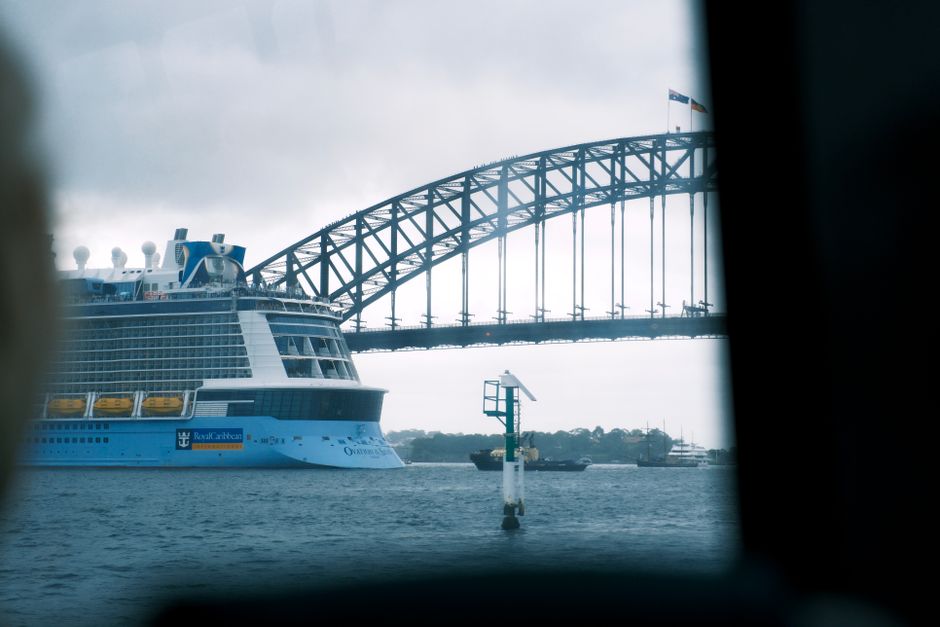
Yes. Late March is one of the best periods for travellers who want warm days, manageable outdoor conditions, and a trip built around walking rather than peak-summer heat. It is not a guaranteed beach holiday, and the weather can shift quickly, but that is easy to manage with a flexible order of activities.
Will the water still be warm enough?
Many visitors still swim in late March, especially on sunny afternoons, but water comfort varies from person to person. Treat swimming as an option rather than the whole purpose of the trip. Bondi, Coogee, Manly, and Watsons Bay each offer other reasons to visit if the water feels too cool.
Should you book every day in advance?
No. Reserve time-sensitive experiences, but leave at least one day flexible. Harbour walks, gardens, beaches, and neighbourhood exploration do not need a rigid schedule. A flexible day lets you move the Bondi walk to the clearest forecast and use a museum or gallery when rain arrives. Bookings can also limit your ability to take advantage of a calm morning or a particularly clear harbour view.
The single most important takeaway is to plan Sydney in late March around the clearest outdoor day, then keep the rest of the itinerary flexible enough for cooler evenings and sudden rain.

About The Author
