
Midsummer in Scandinavia 2026: Sweden or Norway?
Midsummer in Scandinavia is not one event with one script. Sweden builds the holiday around flowers, maypoles, food, and countryside gatherings. Norway leans harder into bonfires, boats, coastlines, and the long bright evening. Pick the country first. Then book around the local tradition.
Sweden or Norway for Midsummer: which celebration wins?
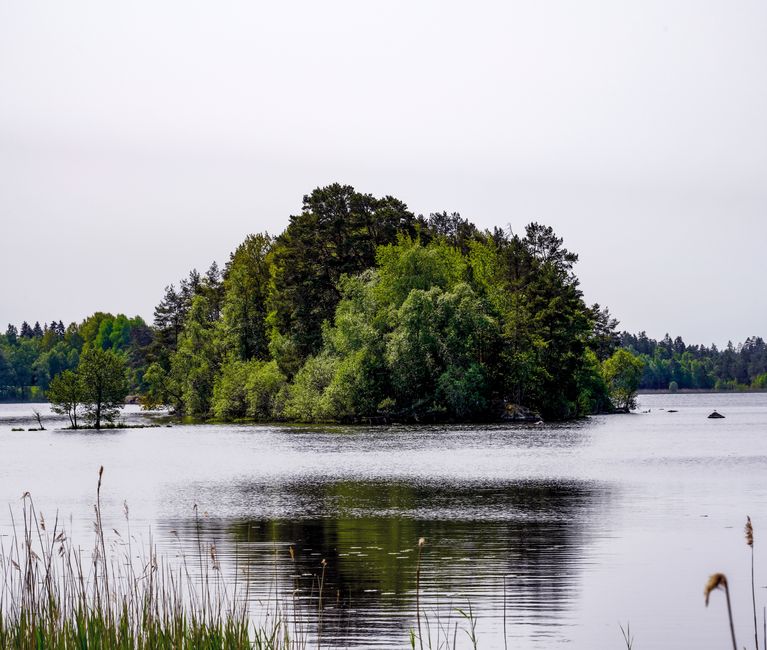
Sweden is the better choice for first-time visitors who want a clear, recognizable Midsummer experience. Norway wins for travelers who care more about fire, coastline, and dramatic scenery than maypole rituals. The comparison is simple:
| Factor | Sweden | Norway |
|---|---|---|
| Main name | Midsommar | Sankthans or Jonsok |
| 2026 date | Friday, June 19 | Tuesday, June 23 |
| Signature scene | Maypole, flower crowns, folk dancing | Bonfire, barbecue, harbor or lakeside gathering |
| Best setting | Dalarna, Stockholm, west coast | Southern coast, fjords, islands, northern Norway |
| Food focus | Herring, potatoes, dill, strawberries | Grilled food, seafood, sausages, cake |
| Best for | Tradition, families, photography | Scenery, fire, coastal atmosphere |
The clear verdict
Choose Sweden if the holiday itself is the reason for the trip. Choose Norway if Midsummer is one stop inside a wider fjord or coastal itinerary. Sweden gives visitors a more predictable cultural event. Norway gives them a stronger landscape and a less standardized evening.
The mistake travelers make
Do not treat the two dates as interchangeable. Arriving in Stockholm on June 23 means missing the main Swedish celebration. Arriving in Oslo on June 19 may give you a pleasant summer weekend, but not the classic Norwegian bonfire night. A cross-border trip can cover both, but it requires separate planning rather than one generic “Midsummer weekend.”
Where to celebrate Midsummer in Sweden
Sweden offers the stronger menu of organized public celebrations. You can choose between a major folk event, an urban open-air museum, a quiet manor, or midnight sun in the far north. My pick for most visitors is Dalarna. It gives you the ritual without forcing you to decode a private family gathering.
Dalarna is the traditional winner
Leksand is the headline destination, with thousands of people gathering around one of the country’s best-known maypole celebrations. Rättvik and Mora also offer Dalarna scenery, folk music, lake views, and smaller events. Book accommodation early. This region fills quickly because Swedish travelers make the same trip. Public transport can get you close, but the final connection may be a regional bus or taxi, so check the return journey before committing to a late celebration.
Stockholm is easier, but less intimate
Skansen on Djurgården is the practical choice for visitors sleeping in Stockholm. It has folk traditions, music, dancing, and a clear program in a setting designed for visitors. You will share it with crowds, and the experience feels more curated than a village gathering. That is the tradeoff. Julita Gård in Sörmland offers a quieter countryside setting, while Gothenburg and its archipelago suit travelers who want seafood, rocky islands, and sea air instead of inland folklore. For midnight sun, move far north to places such as Kiruna or Riksgränsen. The light is extraordinary, but the journey is longer and the weather can feel colder than the calendar suggests.
Why Norway is better for bonfires and coastal scenery
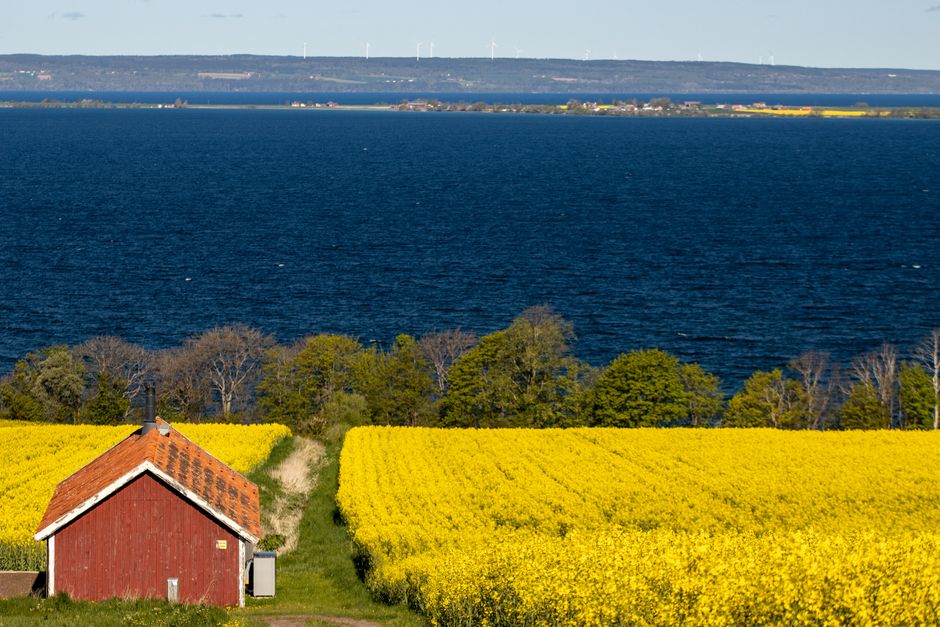
Norway does not try to copy Sweden’s maypole formula. Sankthans is strongest beside water, where a bonfire becomes the center of the evening. The best choice is not automatically Oslo. The capital can provide public events, but Norway’s coastal towns usually deliver the atmosphere travelers imagine.
Choose the coast for the real Sankthans mood
Southern Norway is the safest bet for a classic evening. Kristiansand, Stavanger, Bergen, Ålesund, and smaller communities along the coast may host bonfires, outdoor meals, music, and boat gatherings. Programs vary by town, and some celebrations are organized by local associations rather than national tourism bodies. That means details can appear close to the date. Check the municipality or local event calendar, then confirm fire restrictions and transport home. A bonfire beside the water is memorable. Missing the last bus because the fire ran late is not.
Choose the north for light, not a bigger party
Northern Norway offers the strongest natural backdrop. Bodø, Lofoten, Tromsø, and coastal Nordland can give you long light, mountains, and water at the same time. The event may be smaller than a Swedish Midsummer gathering, but the landscape carries the evening. Norway’s summer weather is also changeable. Pack a waterproof shell, warm mid-layer, and shoes that can handle wet ground. Sandals and a thin fashion jacket are poor planning for a night outside beside a fjord.
How to build a Midsummer trip that actually works
The best itinerary is short and focused. Do not try to cover Stockholm, Dalarna, Oslo, Bergen, and northern Norway in one week. The distances look manageable on a map and punish you in practice.
A workable six-day plan
- Arrive in Stockholm on June 17 or 18, leaving time for weather delays and food shopping.
- Spend June 19 at Skansen, Dalarna, or another confirmed Swedish celebration. Book the event before booking the hotel.
- Keep June 20 flexible. Use it for recovery, a lake outing, or a slow return to Stockholm.
- Travel to Oslo on June 21 or 22 if you want both countries. Compare rail and flight schedules before buying a nonrefundable room.
- Spend June 23 at a confirmed Norwegian Sankthans event, preferably near the coast or a lake.
- Leave on June 24, not late on June 23. Evening transport becomes thin when local celebrations run long.
Know what each transport brand actually does
SJ’s X 2000 trains are useful for major Swedish city routes, but they do not take you directly to every rural Midsummer event. Vy operates important Norwegian rail services, including the Oslo–Bergen route, but that is a scenic intercity journey rather than a quick hop. Hurtigruten is a coastal voyage, not a simple transfer. Color Line serves ferry routes that suit a broader sea trip, not a last-minute move between a Swedish village and a Norwegian bonfire. Use the operator that matches the route. Do not buy a scenic service when you need a punctual connection.
Seven Midsummer mistakes that ruin the trip
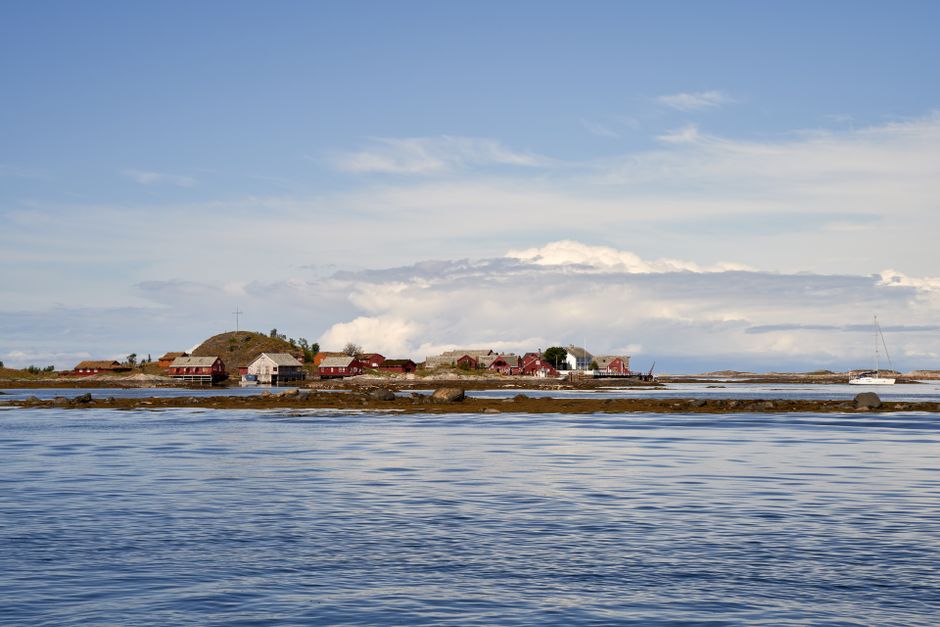
The holiday looks relaxed because the photos are relaxed. The logistics are not. These are the failures that catch visitors most often.
Fix these before you travel
- Booking only the capital. Stockholm and Oslo are convenient bases, but the strongest traditions often happen outside the capital.
- Assuming the date is the same. Sweden celebrates on June 19 in 2026; Norway’s main evening is June 23.
- Expecting every event to accept walk-ins. Some meals, manor events, cruises, and museum programs require advance tickets.
- Ignoring closures. Midsummer is a major holiday. Shops, restaurants, museums, and local services may run reduced hours.
- Underestimating daylight. Bring an eye mask if bright rooms affect your sleep. A late sunset can make midnight feel like early evening.
- Picking flowers carelessly. Seven flowers under a pillow is a folk custom, not permission to enter private land or strip a protected meadow.
- Planning around perfect weather. Rain can arrive quickly. Reserve indoor backup plans and carry waterproof layers.
What not to buy or book
Do not buy an expensive package simply because it uses the word “Midsummer.” A hotel dinner with a flower crown may be pleasant, but it is not automatically a local celebration. Skip packages with vague schedules, no transport plan, or no named venue. A modest public event beside a lake can feel more authentic than a premium dinner staged for tourists. Pay for access, transport, and certainty. Do not pay extra for decorative language.
Which country should you choose in 2026?
The short answer is Sweden for tradition and Norway for scenery. That is the useful decision. You do not need to force both countries into one trip unless seeing both matters more than staying relaxed.
Is Sweden better for a first Midsummer?
Yes. Sweden has the clearer visual language: the decorated maypole, flower crowns, ring dances, strawberries, new potatoes, and folk music. Dalarna gives you the strongest traditional setting, while Skansen gives you the easiest organized option from a major city. Choose Sweden if you want to understand the holiday quickly and photograph the details that make it distinct.
Is Norway better for couples or outdoor travelers?
Usually. Norway suits travelers who want a bonfire beside the sea, a long meal outdoors, and a dramatic landscape after sunset. Pick the coast if you want an active social evening. Pick northern Norway if the light and scenery matter more than a large public program. Keep the plan flexible because smaller events can change with fire rules and weather.
What is the final verdict?
Book Sweden for June 19 if Midsummer is the main purpose of the journey. Add Norway on June 23 only if you can afford the extra travel days. The holiday is becoming more visible internationally, but its appeal still rests on local scale: food shared outside, flowers gathered nearby, and light that refuses to leave. Future summers will bring more organized visitor experiences, yet the best celebrations will remain the ones that leave room for weather, neighbors, and an unplanned walk home.”

Amalfi Coast in May: Beat Crowds With a Smart Route

Train Travel to Europe From the UK: 7 Smarter Routes
Rome vs Florence: Which Italian City Suits Solo Travellers?
About The Author
