
Solo Travel Bag for Men: 5 Picks That Pack Better in 2026
You know the scene: a four-day trip, one train connection, a cheap airline cabin bag limit, and no travel partner to carry the extra stuff. The right solo travel bag for men should hold enough clothing for the trip, stay comfortable on your back, and open quickly when airport security asks for your laptop. After years of one-bag travel, I would rather carry a well-packed 35-liter bag than drag a large suitcase through stations, cobbled streets, and hotel staircases.
What Size Bag Works for a Solo Trip?
The 30-to-40-liter rule
For most solo trips lasting three to seven days, choose a bag between 30 and 40 liters. That range forces useful limits without making you leave behind basic comfort. A 30-liter bag works for warm destinations, frequent laundry, and travelers who pack one pair of shoes. A 40-liter bag gives more room for a jacket, larger toiletries, or cooler weather.
Match capacity to the transport you use
Bag capacity matters less than its packed shape. A tall, narrow bag is easier to carry on trains, while a boxy bag can waste space under an airline seat. Check the airline’s actual cabin dimensions before buying. The same nominal capacity can produce very different results because pockets, curved panels, and laptop sections take up internal room.
| Bag capacity | Best use | Main tradeoff |
|---|---|---|
| 20-28L | One to three warm-weather nights | Requires strict clothing control |
| 30-35L | Three to five days with a personal item | Limited space for bulky shoes |
| 36-40L | Five to seven days or mixed weather | May need overhead-bin space |
| 45L or more | Longer trips or cold-weather layers | Heavy when fully packed and less flexible on budget airlines |
My verdict is simple: start with 35 liters unless you already know you need more. A bigger bag does not create better packing habits. It usually creates heavier packing.
How to Pack a One-Bag Trip Without a Heavy Load
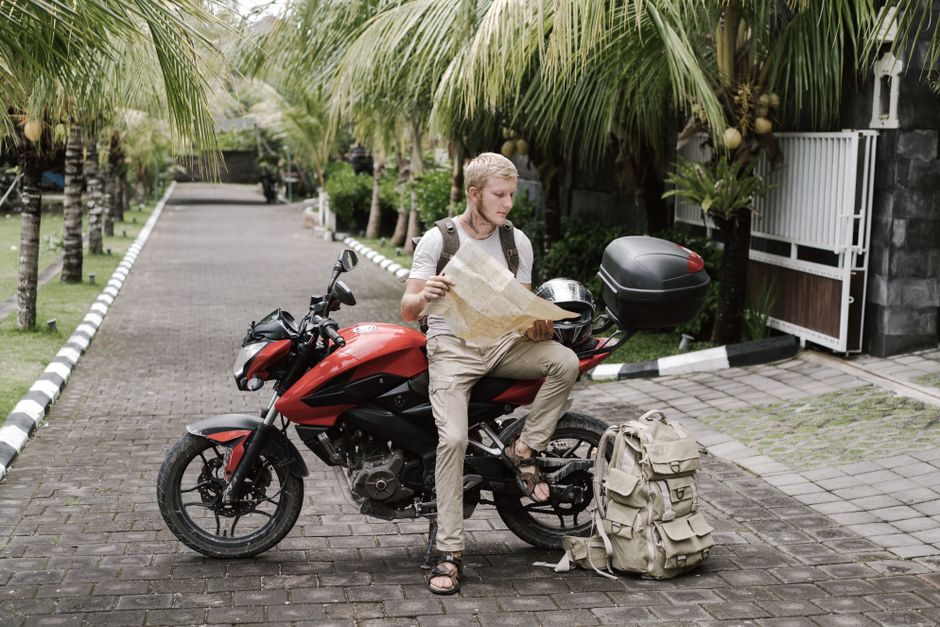
Use a fixed packing order
Pack from the bottom up, with the items you will not need until arrival at the base. Put shoes and folded trousers low, a packing cube of shirts in the middle, and a light jacket near the top. Keep chargers, medication, and documents in one quick-access pocket.
- Lay out every item before it enters the bag.
- Choose two bottoms, three or four tops, underwear for each day, and one spare layer.
- Wear the bulkiest shoes and jacket during transit.
- Roll soft clothing or use one medium packing cube instead of several small cubes.
- Keep liquids in a clear bag that you can remove in seconds.
- Stop packing when the bag reaches roughly 80 percent full.
Build around laundry, not endless outfits
For a week, pack for four days and wash once. A small detergent sheet, a sink stopper, and quick-drying underwear take less space than three extra outfits. Dark trousers and neutral shirts also reduce the number of combinations you need.
The most common mistake is packing for imaginary situations: formal dinners that never happen, three weather conditions in one city, and duplicate electronics. If an item cannot serve two purposes, it needs a strong reason to come along.
Which Features Matter on Trains, Buses, and Budget Flights?
Comfort starts with the harness
A solo bag becomes tiring when the shoulder straps carry the full load. Look for a padded hip belt, a sternum strap, and a back panel that keeps the bag stable without trapping too much heat. The hip belt should sit on your hip bones, not around your waist. Load the bag with several kilograms before buying and walk for ten minutes. A store mirror cannot tell you how the bag feels after a full day of transfers.
Access beats pocket count
Travel bags often advertise ten or more pockets, but extra compartments can steal usable capacity. I prefer one large clamshell opening, one laptop sleeve, and a small top pocket for passport and headphones. That layout lets you see the entire bag in a hostel room or hotel without scattering belongings across the floor.
For budget flights, measure the packed bag, not the empty bag. Compression straps help, but they do not change the airline’s size rules. A bag that expands from 35 to 42 liters may be comfortable for a train journey and risky at a strict boarding gate. Check whether the laptop compartment sits outside the main frame, since overstuffing it can make the bag thicker than expected.
Water resistance is useful, waterproofing is rare
A coated exterior protects clothing during a short shower, but most travel bags still have exposed zippers and seams. Use a lightweight liner for passports, electronics, and one dry shirt. Do not pay a large premium for a claim of waterproofing unless the maker gives a clear fabric rating and sealed construction.
Security features also need a reality check. Lockable zippers slow casual opening; they do not stop a determined thief. The best protection is keeping the bag in front of you on crowded transit, using a hotel safe for valuables, and avoiding outside pockets in busy stations.
Which Solo Travel Bags for Men Are Worth Buying?
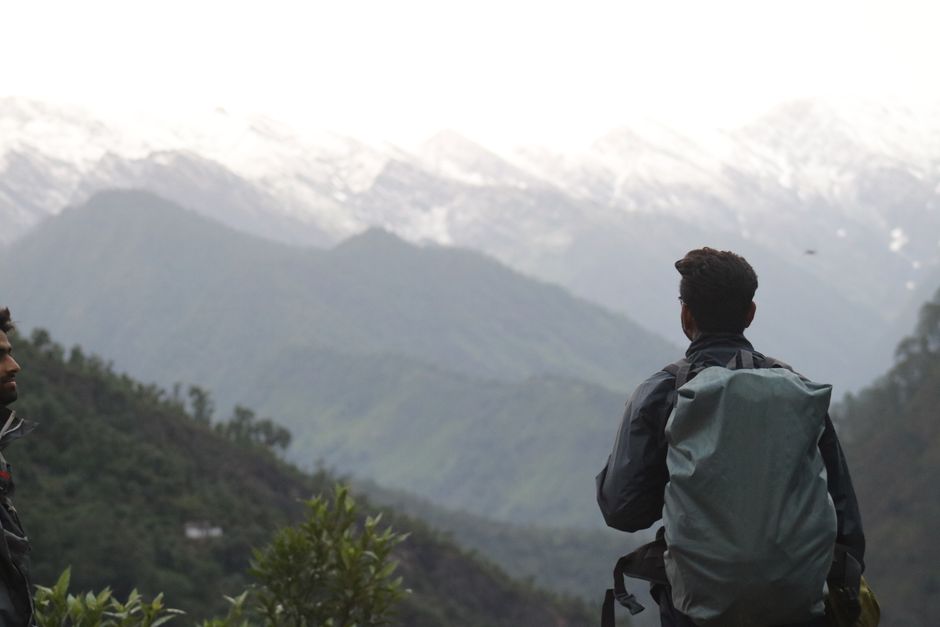
My strongest recommendation is the Osprey Farpoint 40 for most travelers. It balances carry comfort, useful capacity, and a reasonable typical US list price of about $185. The other choices make sense only when you have a specific reason to choose them.
Compare the leading options
| Model | Capacity and size | Typical price | Best for |
|---|---|---|---|
| Osprey Farpoint 40 | 40L; about 55 x 35 x 23 cm | $185 | Longer trips and heavy walking |
| Cotopaxi Allpa 35L | 35L; about 56 x 30 x 23 cm | $200 | Clamshell packing and bold design |
| Patagonia Black Hole MLC 45L | 45L; about 56 x 36 x 19 cm | $239 | Maximum carry-on capacity |
| Aer Travel Pack 3 Small | 28L; about 48 x 33 x 19 cm | $229 | Short trips and urban commuting |
| Tom Bihn Techonaut 30 | 30L; about 51 x 33 x 20 cm | About $390 | Premium organization and materials |
Choose the Cotopaxi Allpa 35L if you want a suitcase-style opening and do not mind a less outdoors-focused harness. Pick the Patagonia Black Hole MLC 45L only when you can keep the load light; its capacity makes overpacking easy. The Aer Travel Pack 3 Small is the better airport-and-city bag, but its 28-liter capacity is tight for cold climates. The Tom Bihn Techonaut 30 is excellent for careful packers who value construction over price.
Where each choice falls short
None of these bags is perfect. The Farpoint looks more like hiking gear than office luggage. The Allpa can feel flat against the back when packed heavily. The MLC 45L becomes uncomfortable when filled with shoes and dense electronics. Aer’s smaller pack costs more than many larger bags. Tom Bihn’s price makes little sense for a casual traveler.
Which Bag Should You Buy for Your Trip?
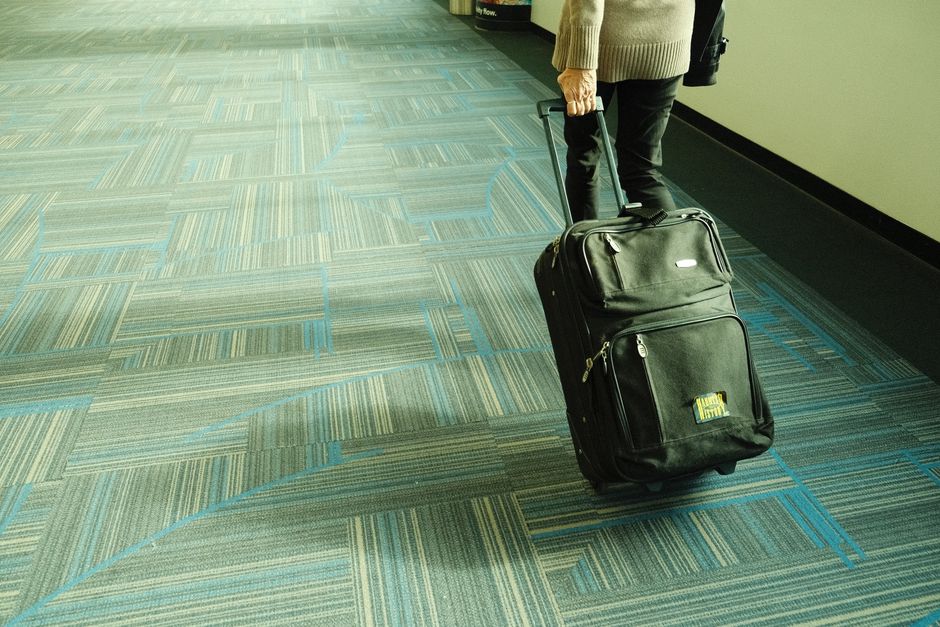
Is the Osprey Farpoint 40 the safest choice?
Yes, for a first serious one-bag purchase. The Farpoint 40 is my pick for a solo trip involving trains, walking, and five or more nights. Its 40-liter capacity gives you room for changing weather, while the hip belt makes a noticeable difference on long station walks. Do not buy it if your style demands a slim business appearance or if your airline allows only a small personal item.
Before buying any bag, measure your packed clothing and test the weight. A 7-kilogram bag feels very different from a 12-kilogram bag, even when both fit inside the same shell. Keep dense items close to your back, and leave the top pocket for things you need during transit.
When should you choose a smaller or larger bag?
For two or three warm-weather nights, choose the Aer Travel Pack 3 Small. For a week with mixed weather, get the Osprey Farpoint 40. For bulky winter layers or work equipment, the Patagonia Black Hole MLC 45L wins, but only if the route includes overhead storage. The Cotopaxi Allpa 35L is the best middle ground for simple clamshell packing.
| Your trip | Best pick | Reason |
|---|---|---|
| Weekend city break | Aer Travel Pack 3 Small | Compact 28L shape |
| Five-to-seven-day mixed-weather trip | Osprey Farpoint 40 | Best comfort-to-capacity balance |
| Minimalist warm-weather trip | Cotopaxi Allpa 35L | Easy suitcase-style access |
| Bulky gear or winter travel | Patagonia Black Hole MLC 45L | Largest useful capacity |
For most men traveling alone, buy the Osprey Farpoint 40 and leave 20 percent of it empty. That spare space is more valuable than another pocket, another pair of shoes, or a bag that looks impressive in a product photo.

Travel Photography Work: Turn Trips Into Paid Assignments
Travel Vaccines Maynooth: 2026 Clinic Guide

Best Coworking Spaces in Lisbon for Digital Nomads 2026
About The Author
