
Travel Photography Work: Turn Trips Into Paid Assignments
A 24-megapixel travel photo contains enough detail for a sharp 20-by-30-inch print, yet many photographers lose paid work for simpler reasons: late delivery, unclear usage rights, or a portfolio that shows places instead of solutions. Travel photography work rewards the person who can deliver a useful visual package on time, not only the person who captures a beautiful sunset.
The clearest route into this field is to choose one client problem, build a small portfolio around it, and pitch a deliverable that a hotel, tour company, tourism board, magazine, or outdoor brand can understand. The camera matters. Your reliability matters more.
What Travel Photography Work Actually Pays For
Clients buy a result, not a collection of pretty places
A travel client rarely pays simply because you visited Paris, Kyoto, or the Amalfi Coast. The client pays for images that help someone book a room, understand an experience, read a magazine feature, trust a guide, or imagine a destination clearly. That changes how you shoot.
A hotel may need a complete visual library: exterior views, reception, room details, breakfast, staff portraits, nearby streets, and a few wide images that show the property in context. A walking tour operator may need vertical images for social media, horizontal images for a website, and candid photos that show the experience without making guests look staged. A magazine editor may need one strong opening image plus a sequence that supports a reported story.
The assignment creates the value. The location only creates the setting.
The three most common paid deliverables
- Commercial image libraries: A business hires you to create a planned set of photographs for its website, brochures, press releases, and social channels. The client cares about coverage, consistency, model releases, and file organization.
- Editorial stories: A magazine, newspaper, or travel publication commissions images to support a story. Editors usually care about access, timing, captions, originality, and your ability to work within a clear brief.
- Licensing and stock collections: You create images first and license selected files later. This route can bring repeat income, but it needs a large, well-keyworded archive and realistic expectations about sales volume.
For a new photographer, a small commercial library usually offers the most direct path to payment because the buyer already understands the business use. Editorial work can build reputation, but rates and publication schedules vary widely.
Why a local assignment can beat an expensive trip
Travel photography work does not require an international flight. A local neighborhood, historic house, railway station, or food market can reveal whether you understand light, people, timing, and visual storytelling. A London photographer can create a convincing three-day sample assignment around East London markets or Central London hotels without spending money on airfare.
This approach also makes your pitch stronger. You can offer a client a short shoot next week, return for weather changes, and fix a missed detail without paying for another trip. For paid work, access and repeatability beat distance. My verdict is simple: build your first portfolio close to home, then use international trips to expand the range of stories you can tell.
How to Build a Portfolio That Gets a Reply
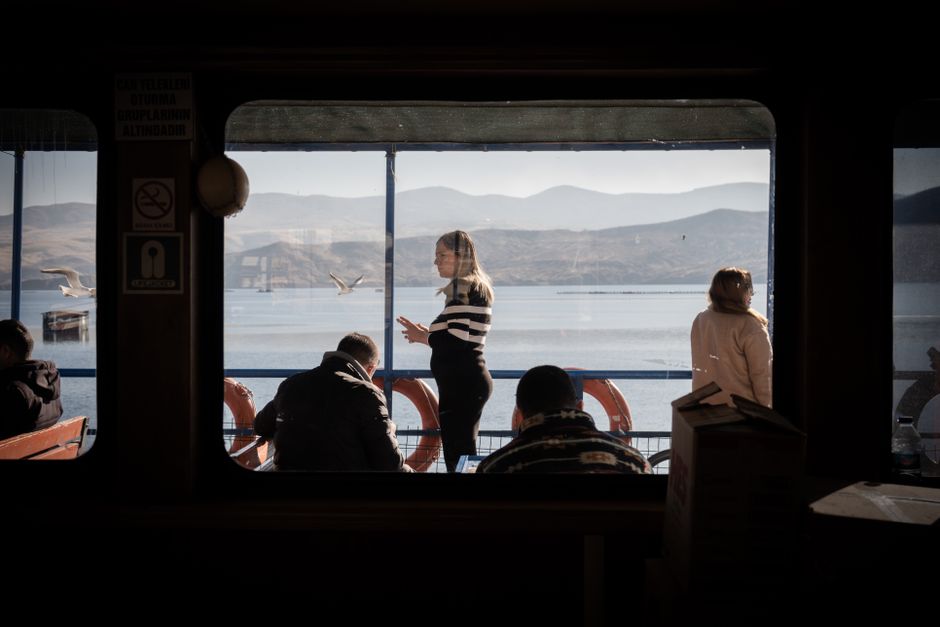
The best beginner portfolio contains fewer images than most photographers expect. Twenty-four strong images can beat 120 unrelated travel shots because a client can see the service you offer within a few minutes.
Use this five-step portfolio structure
- Pick one buyer: Choose hotels, food tours, destination organizations, outdoor companies, or travel publications. Do not aim at every possible client at once.
- Choose one useful promise: Examples include “I create warm, detailed image libraries for independent hotels” or “I photograph walking tours for websites and press kits.” The promise should describe a business outcome, not your passion.
- Plan three sample shoots: Give each shoot a brief, a location, and a shot list. One sample might cover a hotel-style room, another a food experience, and another a neighborhood route. Treat the shoot like paid work.
- Edit for consistency: Keep color, contrast, and cropping choices steady. A portfolio that jumps from dark cinematic frames to bright phone-style edits looks unfinished, even when individual photos look good.
- Show the deliverable: Present a small gallery, a sample contact sheet, or a mock website page. Clients need to imagine how your work will fit their business.
What to put beside each photo
Add a short caption that explains the job the image performs. “Wide exterior image for a hotel booking page” tells a client more than “Morning in Rome.” “Vertical food detail for a tour operator’s social campaign” shows commercial awareness.
Include the location, date, and any relevant access detail. If you photographed people who can be identified, explain how you handled permission. You do not need a long biography. Add a clear contact method, the places where you can work, and the type of assignment you accept.
Do not hide weak work inside a large gallery. Remove duplicates, accidental snapshots, soft images, and frames that only work because the viewer knows the place. A famous landmark does not rescue an ordinary composition.
How to earn trust before you have major clients
Use a simple PDF or website page with three sections: “What I deliver,” “Selected work,” and “How the process works.” State a normal turnaround, such as seven days for a short shoot and fourteen days for a larger library. Explain the number of edited images, file format, delivery method, and revision policy.
Ask a local business for permission to create a small sample set, but label unpaid or self-initiated work honestly. Never imply that a tourism board, hotel, or magazine hired you when it did not. A skeptical client will respect a clear personal project more than inflated credits.
My verdict: a focused portfolio with a visible deliverable gets more replies than a broad “travel photographer available worldwide” page. The first page should make the buyer think, “This person understands my content problem.”
Which Camera Setup Fits the Assignment?
Buy gear for the assignment you can actually win. A lighter camera that you carry all day often creates more usable work than an expensive body left in a hotel room. The models below show sensible routes for different travel photography jobs; they are reference points, not mandatory purchases.
| Camera | Useful specification | Approximate US body price | Best travel assignment |
|---|---|---|---|
| Canon EOS R8 | 24.2MP full-frame sensor, 4K video, approximately 461g body weight | $1,299 sale price shown by Canon; $1,649 regular listing price | Low-light hotel interiors, portraits, and editorial stills |
| Sony Alpha 6700 | 26MP APS-C sensor, weather-sealed magnesium-alloy body, 4K recording up to 120p, approximately 493g | About $1,399 body price | Mixed photo and video assignments with long walking days |
| Fujifilm X-S20 | 26.1MP APS-C sensor, five-axis stabilization rated up to 7 stops, 6.2K video, approximately 491g | About $1,299 body price | Handheld street, food, culture, and creator-focused travel work |
| Adobe Lightroom 1TB plan | Photo organization, RAW editing, desktop and mobile access, 1TB cloud storage | $14.99 per month when billed annually, based on Adobe’s 2026 pricing notice | Fast selection, editing, backup, and client delivery |
Choose the body around the failure you fear
If your main risk involves dim rooms and clean portraits, the Canon EOS R8 gives you the full-frame advantage without the weight of a professional flagship. If you need both stills and video for a tour operator, the Sony Alpha 6700 offers a strong hybrid setup and a weather-sealed body, though one SD card slot means you should back up during the day.
The Fujifilm X-S20 is the best pick for a photographer who spends hours walking, wants effective stabilization, and values a compact kit. Its APS-C sensor does not give the same high-ISO look as the Canon’s full-frame sensor, but the lighter system can make a long assignment easier to finish.
The lens decision matters more than the body upgrade
A 24mm or 28mm equivalent lens handles rooms, streets, and landscapes. A 35mm or 50mm equivalent lens suits portraits and food details. A modest telephoto lens helps with distant architecture and respectful street portraits. One versatile zoom can cover the first assignment, but a fast prime often gives you better low-light options and a smaller bag.
Do not buy a second camera before you own spare batteries, two reliable memory cards, a protective rain cover, and a backup routine. New bodies cannot repair poor planning. For most beginners, the strongest working setup is one camera, two lenses, three batteries, and a daily backup to a separate drive or cloud service.
Prices change by country, promotion, and stock status, so treat the figures in the table as planning numbers. The clear winner for a first paid travel assignment is the setup you can operate quickly and carry comfortably for eight hours.
The Mistakes That Kill a Paid Travel Shoot
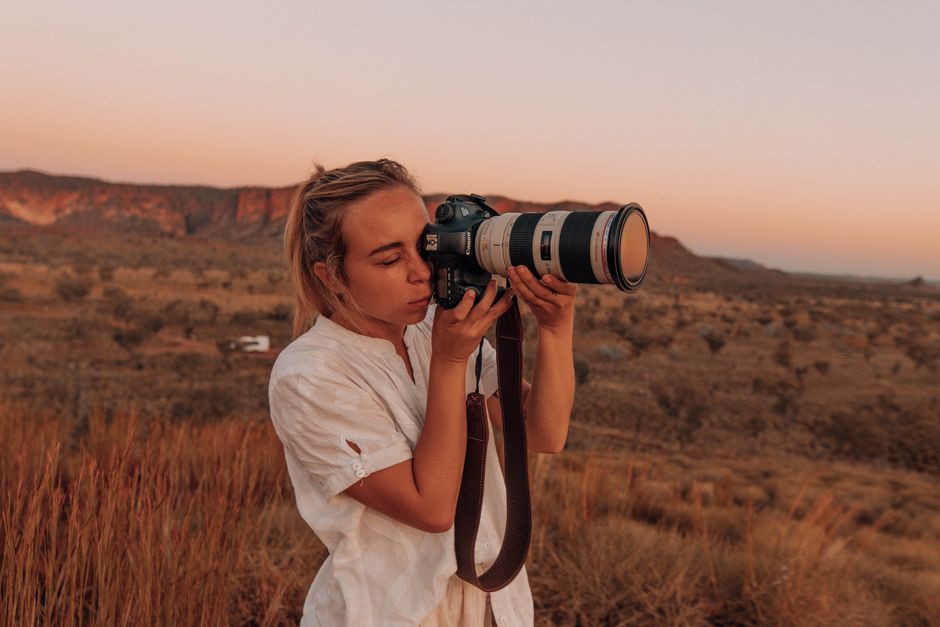
My strongest recommendation: treat every travel shoot like a small production job, even when the location looks casual. Beautiful scenery cannot fix missing permissions, unclear usage, or files delivered two weeks late.
What goes wrong before the camera comes out?
Photographers often accept a vague brief such as “capture the destination” and start shooting without asking who will use the images, how many files the client expects, which formats they need, or what happens if weather closes the main location. That vagueness creates unpaid extra work. Write the brief in plain language before the trip.
Another common mistake involves access. A public street may allow photography, while a hotel lobby, museum, market, or private tour may require permission. Confirm the rules with the venue and ask who can approve recognizable people in commercial images.
When should you refuse the assignment?
Refuse or renegotiate when the client wants unlimited worldwide usage forever for a small one-time fee, expects you to cover travel costs personally, or cannot identify the decision-maker who will approve the final files. Also step back when the schedule leaves no time for weather, transport delays, meal breaks, or a second attempt at a key scene.
For travel photography work, the worst deal is not always the lowest fee. It is the job that quietly expands from a two-hour shoot into three days of travel, editing, captions, social crops, and raw-file delivery with no revised price.
How to Get Your First Client Without Underpricing
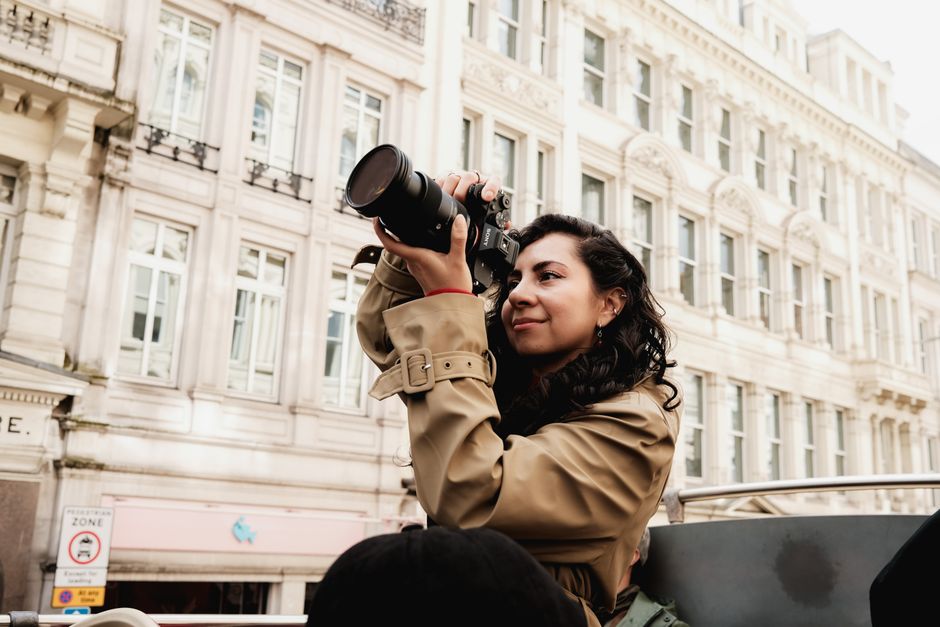
Start with a small, defined assignment rather than a cheap version of a huge one. A two-hour location shoot with 20 edited images, web usage for twelve months, and delivery within seven days gives both sides a clear boundary. You can raise the fee when the client adds locations, people, video, rush delivery, or broader usage.
Build a price from time and rights
Count more than the hours spent holding the camera. Add planning, travel, shooting, file selection, editing, captions, backup, client communication, and tax. A four-hour shoot can easily consume ten hours of real work after transport and delivery. If you charge $400 for that job, your gross working rate sits near $40 per hour before expenses and tax.
Separate the creative fee from expenses. List transport, accommodation, entrance fees, permits, models, and assistants clearly. Then describe usage: website only, social media, print, advertising, territory, and duration. A small independent hotel may need a limited web license. A multinational campaign needs a different conversation.
Pitch the problem you can solve
Send a short message with one observation about the client’s current images, one proposed deliverable, and one practical next step. For example: “Your rooms photograph well, but the booking page has no images showing the walk from the station or the breakfast service. I can create a 25-image library across one morning, with web-ready and high-resolution files delivered within seven days.”
Attach three relevant examples, not your entire archive. Mention a realistic date and ask one direct question: “Who handles visual content for the property?” This makes the conversation easy to answer.
What should happen after the first job?
Deliver early if the work meets the brief. Name files consistently, include a simple usage note, and keep the original files backed up. After delivery, ask which images performed best and what the client needs next. A repeat shoot for a new season, neighborhood guide, or second property can matter more than a dramatic first credit.
Do not offer endless unpaid revisions to prove that you are easy to work with. One reasonable correction round protects the relationship while keeping the job profitable. The most important takeaway is this: travel photography work becomes a career when you sell reliable visual solutions, not merely access to beautiful places.

Best No Annual Fee Travel Rewards Credit Cards
Travel Photography Tripods: What Actually Matters Before You Buy

South Africa E-Visa Vs Traditional Visa: E-Visa vs. Traditional Visa: Which Route Gets You Into South Africa Faster?
About The Author
