
Noise-Cancelling Headphones for Remote Work Travel: Sony vs Bose
The common mistake is treating noise cancellation as a magic mute button. It is not. Noise-cancelling headphones reduce steady sounds such as aircraft engines, train wheels, hotel air conditioners, and road traffic. They do less against nearby speech, clattering dishes, or a colleague asking a question from two feet away.
For remote work on the move, the Sony WH-1000XM5 is the better all-round tool. The Bose QuietComfort Ultra Headphones are more comfortable for some people and more dramatic for music. That difference matters when your workday includes a six-hour flight, a noisy hotel lobby, and three video calls.
What Noise-Cancelling Headphones Actually Fix on a Trip
ANC removes the low rumble first
Active noise cancellation works by listening to outside sound through microphones and creating an opposing signal. The system performs best against repeating, low-frequency noise. That is why a good headset can make an airplane engine feel distant within seconds. It can also reduce the constant hum from a hotel ventilation system or the vibration of a train carriage.
Noise isolation still matters
The ear cushions do much of the basic work. A proper seal blocks higher sounds before the electronics process them. Glasses, loose cushions, thick hair, and poor adjustment can all create gaps. Those gaps let voices and sharp noises through, so comfort is not just a luxury feature. It affects how quiet the headset feels.
A microphone does not create privacy. People nearby can still hear your voice, and your computer microphone can still pick up a loud café. For confidential calls, sit with your back to a wall, use a directional microphone when possible, and avoid open seating near speakers or service counters.
Verdict: the best travel setup combines ANC, a tight ear seal, a quiet seat, and sensible call habits. Headphones reduce the problem. They do not replace a workspace.
Sony WH-1000XM5 vs Bose QuietComfort Ultra: The Travel Numbers
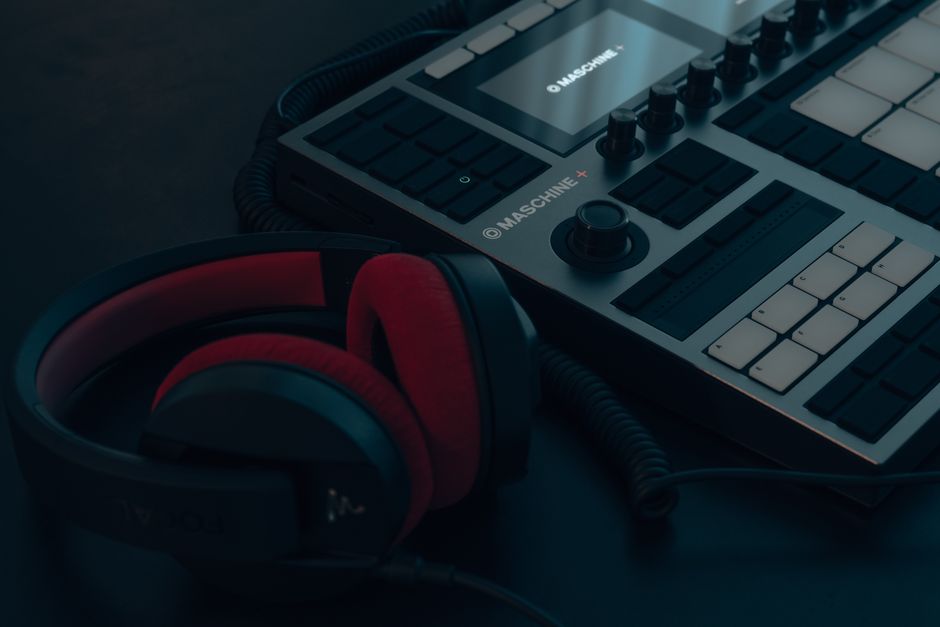
The specifications that matter on the road
| Feature | Sony WH-1000XM5 | Bose QuietComfort Ultra 2nd Gen |
|---|---|---|
| US manufacturer price | $399.99 MSRP | $449 list price |
| Weight | 250 g | About 264 g |
| Battery with ANC | Up to 30 hours | Up to 30 hours |
| Battery with immersive audio | Not applicable | Up to 23 hours |
| Battery with ANC off | Up to 40 hours | Up to 45 hours |
| Driver | 30 mm | Not published as a simple driver-size headline |
| Quick charge | About 3 hours from a short charge | About 3 hours from 15 minutes |
| Bluetooth | Bluetooth 5.2 with multipoint | Bluetooth 5.4 |
What the table does not tell you
The numbers are close, but they point to different strengths. Sony is lighter and costs $49.01 less at manufacturer pricing. Bose offers a newer second-generation design, USB-C audio, Immersive Audio, and a fast 15-minute charge. Sales can change the price gap, so compare the exact model name before paying.
Verdict: Sony wins the practical travel comparison. Bose wins if comfort, spatial sound, and a premium feel matter more than the lowest weight and price.
How to Build a Quiet Travel Workday
The headset is only one part of the system. A simple routine prevents most problems before your first call.
- Charge before leaving. Start with a full battery, then carry a USB-C cable in the same pocket as your passport or power bank. A dead headset is not a productivity tool.
- Pair two devices at home. Connect the headphones to your laptop and phone before reaching the airport. Test switching during music playback and an incoming call.
- Download work files. Airport Wi-Fi fails. Hotel Wi-Fi asks for a browser login. Save documents, meeting notes, and presentation files locally before departure.
- Use the right mode. Choose full cancellation for engine noise and focused writing. Use transparency mode before boarding, while crossing a street, or when staff need your attention.
- Schedule calls around movement. Do not plan a client presentation during a train transfer or while walking through a crowded terminal. A quiet 30-minute block is worth more than a perfect headset.
- Keep a backup plan. Pack wired earbuds or a basic wired headset. Bluetooth pairing can fail, batteries can drain, and some airplane entertainment systems still need a cable.
The best workflow is boring and repeatable: charge, pair, download, test the microphone, then choose a seat away from gates, cafés, and public-address speakers.
Verdict: preparation improves remote work on the road more than changing from one excellent ANC headset to another. Build the routine first.
Why the Sony WH-1000XM5 Wins for Remote Work
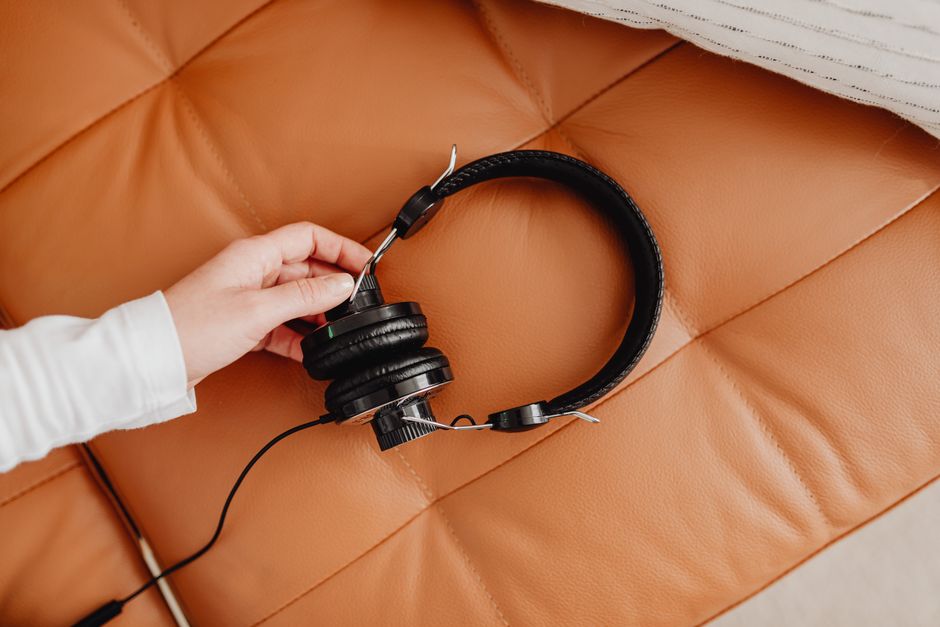
It balances weight and battery life
The Sony WH-1000XM5 weighs about 250 grams and runs for up to 30 hours with noise cancellation enabled. That is enough for a long-haul flight, several work sessions, and the journey to your hotel without carrying a charger as part of your daily routine. With ANC switched off, Sony rates it for up to 40 hours. The 30 mm drivers keep the earcups relatively light, and the folding case protects the headset in a backpack.
Multipoint fits a mobile office
Remote workers rarely use one device. A laptop handles the meeting, a phone handles messages, and a tablet may play background audio. The XM5 supports a two-device Bluetooth connection, so you can stay connected to a laptop and phone at the same time. Turn multipoint on in the Sony app before travel, then test the handoff. A feature that is not configured is just a line on a specification sheet.
Calls are good, but the street is not a studio
Sony rates the WH-1000XM5 for up to 24 hours of continuous communication with noise cancellation enabled. Its microphones handle normal hotel rooms, aircraft cabins, and quiet lounges well. Wind, traffic, and crowded cafés are harder. The headset can reduce background noise, but it cannot turn a busy pavement into a professional conference room. For important calls, find shelter first and rely on the headset second.
The real drawbacks
The XM5 does not fold as small as the older WH-1000XM4, and its smooth earcups can feel warm during long sessions. Sony also uses touch controls, which can be less reliable with gloves or when you are moving quickly. The sound is energetic and bass-forward from the factory, though the app includes an equalizer. Buyers who want a wide, dramatic presentation may prefer Bose.
Verdict: buy the Sony WH-1000XM5 for a travel work kit that must handle calls, writing, flights, and two connected devices without extra weight.
When the Bose QuietComfort Ultra Is the Better Buy
Choose the Bose QuietComfort Ultra Headphones when comfort and listening quality matter more than saving weight. The second-generation model costs $449 at Bose, weighs about 264 grams, and offers up to 30 hours of battery life. Bose rates it for up to 23 hours with Immersive Audio enabled, so that feature has a real battery cost.
- Choose Bose for long listening sessions. The soft around-ear cushions and stable fit suit travelers who dislike the tighter feel of some Sony earcups. Comfort still depends on head shape, glasses, and heat tolerance, so buy from a retailer with a clear return policy.
- Choose Bose for films and music. Immersive Audio places sound in front of you instead of keeping it entirely inside your head. It is enjoyable on a flight, but it is unnecessary for email, spreadsheets, and ordinary video calls.
- Choose the second generation carefully. The original Bose QuietComfort Ultra Headphones offer up to 24 hours with Immersive Audio off and up to 18 hours with it on. A discounted old box may look like a bargain until the battery and connection features matter.
- Skip Bose if you want the best value. The Sennheiser MOMENTUM 4 Wireless costs $299.95 from Sennheiser in the United States and offers up to 60 hours of battery life with adaptive noise cancellation. It is the battery champion, though Bose has the more polished comfort and travel-mode experience.
- Skip Bose for an Apple-only workflow unless you value Apple extras. The Apple AirPods Max costs $549, weighs 386.2 grams, and offers up to 20 hours with ANC enabled. It integrates smoothly with Apple devices and provides strong transparency mode, but its weight and shorter battery life make it a weaker frequent-flyer choice.
Bose is also the more enjoyable pick for a movie-heavy itinerary. The Sony is the better work tool; the Bose is the better premium lounge companion.
Verdict: buy the Bose QuietComfort Ultra Headphones 2nd Gen when you will wear them for hours and want the most comfortable, cinematic experience. Do not pay the premium for Immersive Audio if your main task is typing.
Which Headphones Should You Pack for Your Next Trip?
Is Sony or Bose better for a plane?
Choose the Sony WH-1000XM5 for the more sensible airplane kit. It weighs less, costs less at list price, lasts up to 30 hours with ANC, and supports two-device connectivity. Choose the Bose QuietComfort Ultra 2nd Gen if comfort beats every other concern and you plan to watch films or listen to music for most of the flight.
What should a frequent traveler avoid?
Avoid buying based on the biggest battery number alone. The Sennheiser MOMENTUM 4 Wireless lasts up to 60 hours, but battery life does not tell you how well the earcups fit, how quickly calls switch between devices, or how much space the case takes in your bag. Also avoid old first-generation Bose stock unless the discount is large enough to justify its shorter battery life.
Is the Sony WH-1000XM5 still the clear recommendation?
Yes, for most remote workers traveling through Europe, London, Asia, or the Americas. It delivers the strongest balance of silence, weight, battery, calls, and price. The Bose wins a narrower category: travelers who put all-day comfort and immersive entertainment first.
The next wave of travel headphones will likely focus less on louder sound and more on better call isolation, smarter device switching, and longer battery life in slimmer designs. For now, the Sony WH-1000XM5 remains the easy recommendation for work on the go.

Best Eco-Friendly Hostels In Medellín For Solo Travelers: I Stayed in Medellín’s Best Eco-Hostels: 6 Picks for Solo Travelers

Best Travel Apps New Zealand: Best Travel Apps for New Zealand: My Practical Shortlist

How to Find Pet-Friendly Vacation Rentals in Major US Cities
About The Author
