
Kyoto Travel Guide 2026: A 4-Day Culture Itinerary
The common mistake is treating Kyoto like a theme park with a fixed checklist: Kiyomizu-dera before breakfast, Arashiyama after lunch, Fushimi Inari at sunset, and several more famous sites squeezed between them. That plan looks efficient on a map. On the ground, it creates long bus rides, crowded lanes, rushed temple visits, and very little sense of the city.
A culture-first Kyoto trip works better when each day stays in one broad area. You walk between related places, leave time for a garden or neighborhood that was not on your original list, and visit one major landmark early enough to hear the city wake up. This four-day route covers historic districts, Zen gardens, imperial history, crafts, tea, sake, and two of Kyoto’s most recognizable landscapes without turning every afternoon into a race.
Is four days enough for a culture-first Kyoto trip?
Four days is enough for a strong first visit, but not enough to see every important temple. The right goal is not full coverage. It is one cultural anchor each morning, one connected neighborhood in the afternoon, and a slower evening that lets the architecture and food make sense.
Build each day around one district
Kyoto rewards geographic discipline. Higashiyama belongs on one day, the northwestern temple route on another, and Arashiyama deserves its own morning rather than a rushed add-on. Fushimi Inari and Uji also work well together because both sit south of central Kyoto and connect by rail. This approach reduces backtracking, which matters more than saving a few minutes on an individual train connection.
Plan for two or three major visits per day. A temple can take only 30 minutes on a quick visit, but the walk to its garden, the queue at the entrance, and the quiet time needed to understand the space can easily double that. Leave at least 90 minutes for a major temple complex and 30 minutes for a short neighborhood stop.
Choose mornings for famous sites
Early starts are practical, not heroic. Kiyomizu-dera opens from 6:00 a.m., and Fushimi Inari’s shrine grounds can be visited at any hour. Ryoan-ji opens at 8:00 a.m. from March through November and at 8:30 a.m. from December through February, while Ginkaku-ji opens at 8:30 a.m. for much of the year and at 9:00 a.m. in winter. Exact hours can change for ceremonies, seasonal viewing, or maintenance, so check each official site shortly before your visit.
The clear recommendation is to put the most photographed place first, then let the rest of the day become more flexible. If you start late, do not try to recover by adding more landmarks. Drop one. A calm visit to three places beats a tired tour of seven.
Day 1: Walk through Higashiyama and Gion
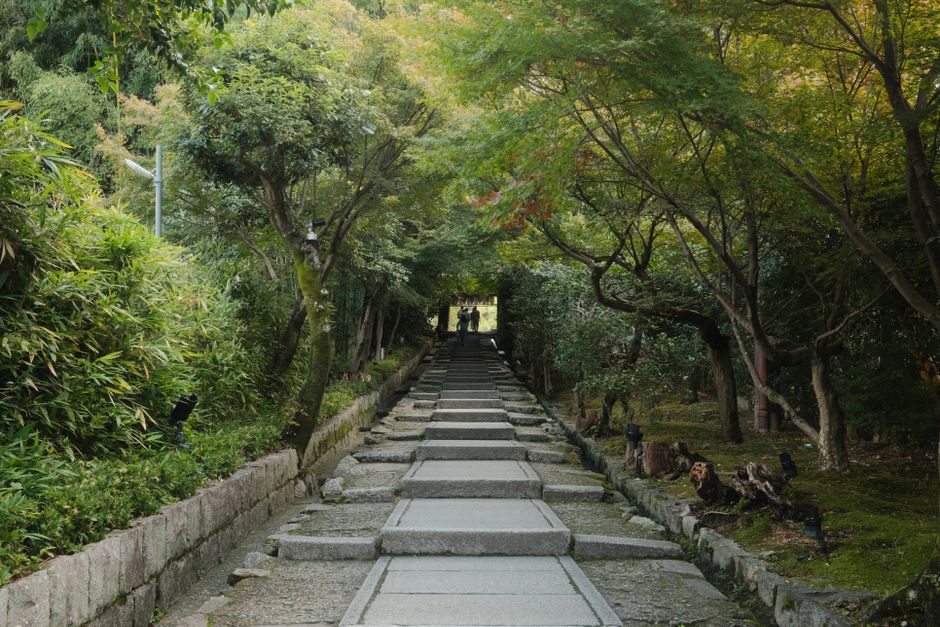
Your first day should introduce Kyoto through its oldest streets, religious buildings, and evening customs. Start in the east, where the city rises gently toward the mountains and several important sites sit within walking distance.
Morning route from Kiyomizu-dera to Yasaka
- Arrive at Kiyomizu-dera around 6:30 a.m. Spend time on the wooden stage, then walk through the temple grounds before the approach roads fill with tour groups.
- Walk downhill through Sannenzaka and Ninenzaka. These lanes are beautiful but narrow, so stop at the side rather than blocking the flow of residents and visitors.
- Continue to Kodai-ji and Maruyama Park. The route takes roughly 35 to 45 minutes without long shopping stops.
- Enter Yasaka Shrine from Maruyama Park and finish the morning near Gion-Shijo or Hanamikoji Street.
Wear shoes that handle stone slopes. The approach to Kiyomizu-dera is not a flat promenade, and rented sandals can become uncomfortable after several hours. The streets look compact on a map, but the combination of steps, crowds, and photo stops makes this a half-day walk.
Afternoon craft time and an unhurried evening
After lunch, choose one indoor cultural stop instead of another major temple. The Kyoto Museum of Traditional Crafts, a small pottery gallery, or a scheduled tea experience can add context to what you saw in the morning. A tea ceremony makes the most sense after visiting the shrine and temple district because you have already watched ritual movement, seasonal flowers, incense, and offerings in public spaces.
Walk along the Shirakawa area before dinner, but treat Gion as a living neighborhood. Do not stop, follow, touch, or photograph geiko and maiko without permission. A public Kyomai performance or a licensed cultural program is the respectful way to see traditional dance. The verdict for Day 1 is simple: keep the route on foot, choose one planned indoor experience, and save your energy for an evening meal rather than adding another distant attraction.
Day 2: Compare Zen gardens, imperial history, and Kyoto crafts
Day 2 moves north and west through a different side of Kyoto. The morning focuses on Zen temple design; the afternoon connects imperial power with the city’s craft traditions. This is the day to slow down and look at walls, gravel, borrowed scenery, rooflines, and garden proportions.
Use this northwestern route
| Suggested time | Stop | What to look for | Practical note |
|---|---|---|---|
| 8:00 a.m. | Ryoan-ji | The rock garden, moss, and quiet viewing platform | Arrive at opening time; winter hours begin at 8:30 a.m. |
| 9:45 a.m. | Kinkaku-ji | The pavilion’s relationship with the pond and surrounding trees | Allow about 60 minutes, including the walking loop |
| 11:30 a.m. | Ninna-ji | Imperial links, temple gates, and seasonal gardens | Check current admission and special-opening details |
| 2:00 p.m. | Nishijin | Textile history, weaving, and local streets | Book workshops ahead when required |
Single-area routing is the advantage here. These places are not identical attractions. Ryoan-ji gives you abstraction and restraint. Kinkaku-ji offers visual spectacle and a carefully framed pond view. Ninna-ji adds imperial history and a wider temple complex. Visiting all three in the order above creates a useful comparison instead of three disconnected photo stops.
Why Nishijin belongs after the temples
Nishijin is associated with Kyoto’s textile tradition, especially the high-quality woven fabrics used for kimono and obi. The area feels more residential than the main sightseeing corridors. That contrast matters. Kyoto’s culture did not develop only inside famous temples; it also grew through workshops, family businesses, food shops, and specialist trades.
Spend the late afternoon at a museum, gallery, or workshop that explains the process behind silk weaving, dyeing, or kimono construction. Avoid booking a packed evening program on this day. The three morning temples demand more concentration than their short walking loops suggest, and Nishijin is better experienced with enough time to read, ask questions, and notice the difference between machine-made souvenirs and local craftwork.
The verdict: Day 2 is the strongest choice for travelers who want visual culture and historical context in equal measure. Skip one temple if you want a longer craft visit; do not skip the neighborhood entirely.
Day 3: See Arashiyama beyond the bamboo grove
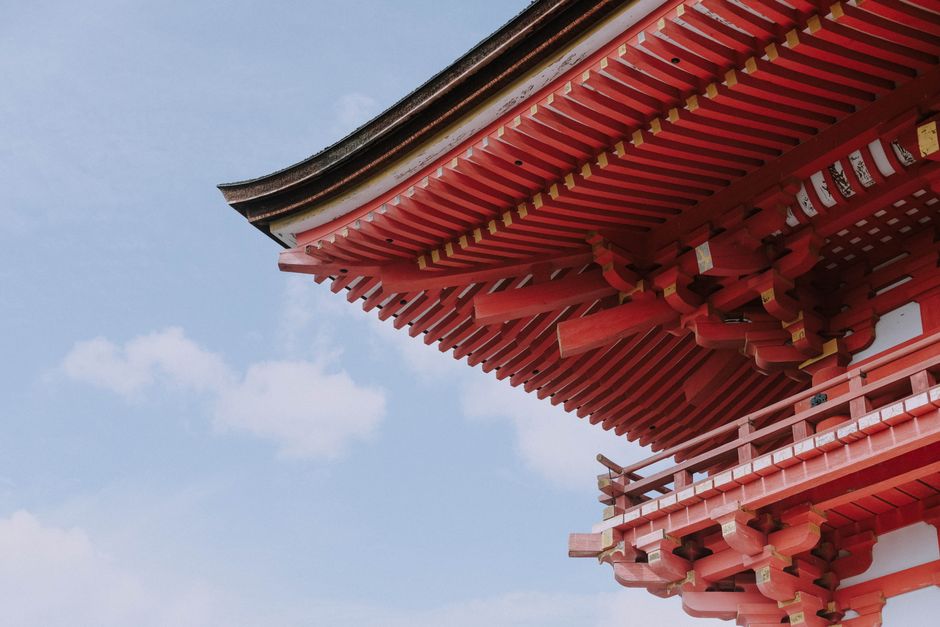
Arashiyama is often reduced to one crowded bamboo path. That is a poor trade for a full day. The district contains temple gardens, mountain views, river scenery, old villas, small lanes, and quieter western approaches. Start before the main crowds arrive, then move away from the famous path.
Begin with bamboo, then leave it
Reach the bamboo grove around 7:00 a.m. Walk through it once, take a few photographs, and continue to Tenryu-ji when it opens at about 8:30 a.m. The temple’s garden is the stronger cultural experience because it shows how water, borrowed mountain scenery, stones, and planting create a controlled landscape. Do not rush directly from the grove to the next famous viewpoint.
After Tenryu-ji, walk toward Okochi Sanso or the smaller temples and lanes on the northern side of the grove. A garden visit here gives you a chance to sit, drink tea, and look back toward the mountains. The extra time is worth more than another crowded photo angle. Keep your voice low in temple grounds and carry your bag in front of you near fragile buildings and screens.
Spend the afternoon in western Sagano
After lunch, continue toward Gio-ji, Daikaku-ji, or another temple that fits your walking pace. Gio-ji is known for its moss garden and wooded setting; Daikaku-ji offers a larger complex with imperial connections and a different sense of scale. Choose one rather than forcing both into a tight schedule.
Arashiyama’s failure mode is simple: visitors spend 30 minutes in the grove, wait for a bus that is already full, and lose the rest of the day in traffic. Walk when the distance is reasonable and use rail for the return to central Kyoto when possible. The streets near the river become slow during peak periods, especially on weekends and during autumn color.
Have dinner back in central Kyoto instead of waiting for a perfect riverside table in Arashiyama. The area is pleasant after dark, but many attractions close early and the return journey can become awkward. The verdict is to treat Arashiyama as a landscape-and-temple day, not a bamboo photo stop. Start early, choose one quieter temple, and protect the afternoon from traffic.
Day 4: Pair Fushimi Inari with tea culture in Uji
Fushimi Inari Taisha and Uji create the most coherent final day for culture lovers. One offers a mountain shrine route with thousands of vermilion torii gates. The other is linked to tea, aristocratic history, and the Byodo-in temple complex. Both sit south of central Kyoto, so the day has a clear direction.
What time should you visit Fushimi Inari?
Go around 6:30 a.m. The lower shrine area is accessible early, but the atmosphere changes as you climb through the torii. You do not need to reach the summit to have a meaningful visit. The round trip to the top can take two to three hours, including breaks; a shorter climb to the Yotsutsuji viewpoint takes less time and gives a wide view across southern Kyoto.
Wear shoes with grip and carry water. The route is a mountain walk with repeated steps, not a flat shrine corridor. Stay to one side on narrow sections, keep voices down, and avoid treating worshippers or shrine staff as part of a staged scene. This is a religious site before it is a famous travel photograph.
When should you choose Uji instead of the Fushimi sake district?
Choose Uji if tea, architecture, and classical history interest you more than food and nightlife. From Kyoto, the journey by train is straightforward, and the town works well as an afternoon destination. Visit Byodo-in, walk beside the Uji River, and stop at a tea shop for matcha prepared in the local style. Byodo-in’s Phoenix Hall and museum require enough time for a proper visit, so check the day’s admission process before leaving Kyoto.
Choose Fushimi instead if you prefer sake history and a shorter day. The district has breweries, canals, and tasting rooms, but opening hours vary and some tastings finish earlier than visitors expect. Do not attempt both Uji and a detailed Fushimi brewery tour after a long summit walk at Fushimi Inari. The strongest version of Day 4 is Fushimi Inari at dawn, one southern destination after breakfast, and a relaxed return to central Kyoto for dinner.
The verdict: select Uji for a deeper cultural finish and Fushimi for a food-and-drink finish. Uji is the better match for the itinerary’s culture-first theme.
How should you move through Kyoto without wasting a day?
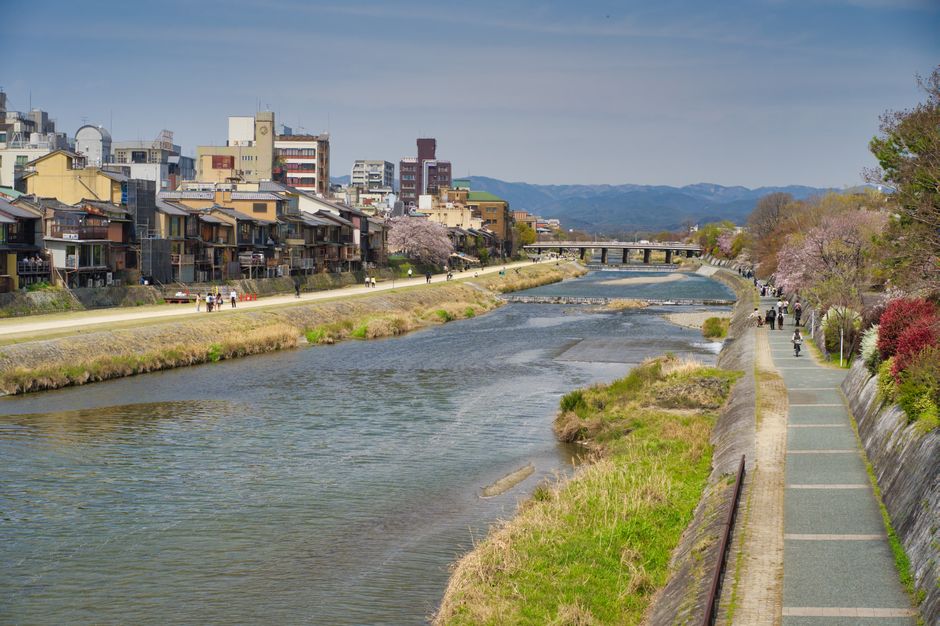
Kyoto’s transport system is useful, but no ticket removes traffic, hills, or a badly planned route. Trains usually beat buses for longer cross-city journeys. Buses help with the last connection, but the most famous corridors can move slowly. For a four-day trip, buy flexibility first and a pass only when the numbers clearly work.
Choose the ticket that fits the route
| Option | 2026 price or fare | Best use | Verdict |
|---|---|---|---|
| Kyoto City Bus standard fare | ¥230 in the flat-fare zone | One or two simple bus rides | Best when your day stays compact |
| Subway & Bus 1-Day Pass | ¥1,100 adult | Several subway and covered bus rides in one day | Buy only when the route includes multiple paid rides |
| Kyoto City Subway 1-Day Pass | ¥800 adult | Several north-south or east-west subway journeys | Useful for central Kyoto, weak for temple lanes away from stations |
| HARUKA Kansai Airport to Kyoto | ¥2,200 adult one way | Direct airport arrival or departure by JR West | Best for a simple airport-to-Kyoto transfer |
| ICOCA IC card | ¥2,000 issue price, including ¥500 deposit | Paying individual train, subway, and bus fares | Best default for mixed transport and uncertain plans |
The most reliable choice for this itinerary is usually an ICOCA card for individual rides, with a one-day pass added only on a day that contains enough covered journeys to exceed its price. The Randen 1-Day Free Ticket costs ¥700 and can suit a dedicated Arashiyama day, but it does not replace walking or cover every connection you may need. The Subway & Bus 1-Day Pass covers many routes, yet some services and outer areas sit outside its coverage.
Four mistakes that cause avoidable delays
- Do not board the first bus that shows a familiar destination. Major stops can have separate platforms for opposite directions and different route numbers.
- Do not assume a rail pass covers every private railway, limited express supplement, or sightseeing service. Check the operator before tapping in.
- Do not roll a large suitcase through temple lanes. Use hotel luggage delivery or a station locker when available.
- Do not schedule Arashiyama, Fushimi Inari, and northern Kyoto on the same day. The map hides the time lost to transfers and congestion.
Pay as you go is the best starting rule for most four-day visitors. Add a pass after you know the day’s route, not before. Kyoto becomes easier when the transport plan supports the culture plan rather than dictating it.
At the end of these four days, you will not have seen every famous temple, and that is fine. You will have walked through several distinct versions of Kyoto: devotional Higashiyama, Zen and craft-centered northern Kyoto, mountain-framed Arashiyama, and the tea-and-shrine landscape south of the station. That mix gives the city shape. It also leaves enough space for the unscheduled moments that turn a checklist into a genuine journey.

Backpack Hunting Guide: Pack Light, Hunt Far

Budget Travel Hacks Booking Flights Asia: 7 Flight Booking Hacks for Asia That Actually Work in 2026

Best No Annual Fee Travel Rewards Credit Cards
About The Author
