
Plan First Multi-Day Trek Patagonia: How to Plan Your First Multi-Day Trek in Patagonia: A Step-by-Step Guide
You’ve seen the photos of jagged granite peaks rising above turquoise lakes. You want to hike the W Trek or the O Circuit. But the planning feels impossible — permits, gear, weather, transport. Where do you even start?
This guide breaks it down into seven clear steps. No fluff. Exactly what you need to book, pack, and go.
Step 1: Choose Your Route — W Trek vs. O Circuit vs. Fitz Roy
Patagonia has three main multi-day treks. Pick based on your time, fitness, and budget.
| Route | Days | Difficulty | Highlights | Cost (per person) |
|---|---|---|---|---|
| W Trek (Torres del Paine) | 4–5 | Moderate | Las Torres lookout, French Valley, Grey Glacier | $400–$700 |
| O Circuit (Torres del Paine) | 7–10 | Challenging | Full Paine Massif loop, remote passes, fewer crowds | $700–$1,200 |
| Fitz Roy Trek (Los Glaciares, Argentina) | 4–6 | Moderate | Mount Fitz Roy, Laguna de los Tres, Cerro Torre | $300–$600 |
If you only have 5 days and want the classic views, do the W Trek. If you want solitude and a real challenge, take the O Circuit. For a cheaper option with equally stunning peaks, head to El Chaltén for the Fitz Roy trek.
When NOT to choose the O Circuit
Don’t pick the O Circuit if you have bad knees, hate carrying a heavy pack over 10 days, or only have a week total for your trip. The W Trek gives you 80% of the views with half the effort.
Step 2: Book Refugios or Camp Sites — Do This First
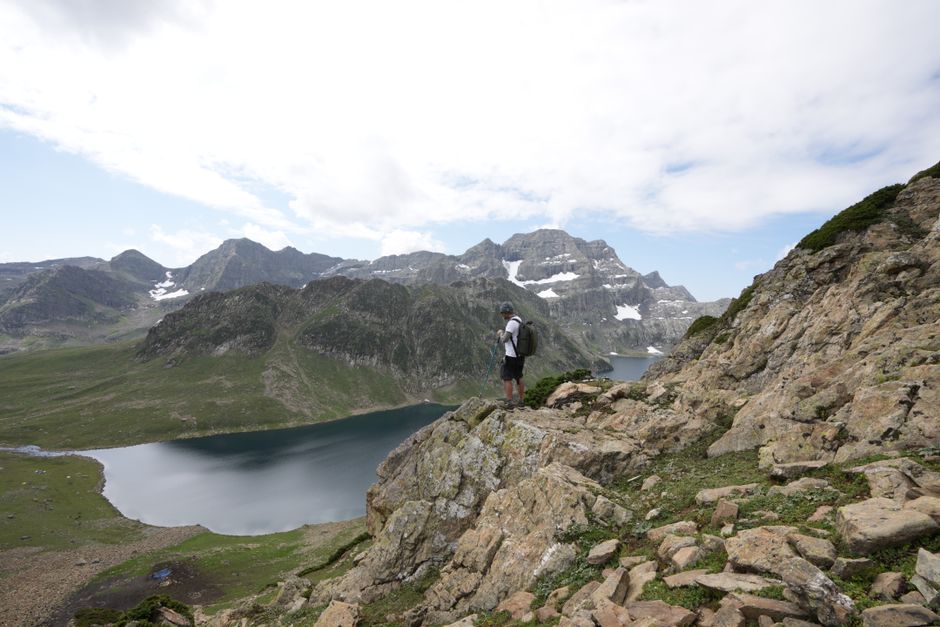
Torres del Paine requires reservations for every night. You cannot just show up and hike. Book through Vertice Patagonia (Grey, Paine Grande) and CONAF (free campsites). Reservations open 6 months ahead for peak season (November to March).
For El Chaltén, no reservations needed. You camp free in designated zones. Just show up at the ranger station and register.
Common booking mistake
Many people book refugios in the wrong order. Always book your accommodation before your bus or flight. If the campsites are full, your entire plan collapses. I’ve seen people fly to Punta Arenas only to find no beds available.
Step 3: Pack the Right Gear — No More, No Less
Patagonia weather shifts from blazing sun to horizontal sleet in 20 minutes. Pack for four seasons in one day.
Here’s your exact gear list:
- Backpack: 50–60 liters. Osprey Atmos 50 ($240) or Gregory Baltoro 65 ($280)
- Rain jacket: Gore-Tex. Arc’teryx Beta AR ($600) or Patagonia Torrentshell 3L ($180)
- Insulation layer: Down or synthetic. Patagonia Nano Puff ($269) or Mountain Hardwear Ghost Whisperer ($325)
- Base layers: Merino wool. Smartwool 150 ($90) or Icebreaker 200 ($110)
- Hiking pants: Convertible zip-offs. Columbia Silver Ridge ($70)
- Footwear: Waterproof boots. Salomon X Ultra 4 Mid GTX ($190) or La Sportiva TX5 GTX ($250)
- Sleeping bag: Rated to 20°F (-6°C). Sea to Summit Spark III ($400) or REI Magma 15 ($350)
- Sleeping pad: Therm-a-Rest NeoAir XLite ($210)
- Stove: MSR PocketRocket 2 ($45) with 4 canisters of isobutane
- Water filter: Sawyer Squeeze ($40) — the lake water is safe but tastes like rocks
What to leave behind
Leave the tent at home if you’re staying in refugios (W Trek). Leave the camp chair, the heavy camera, and the extra pair of jeans. Every extra pound hurts after 15 miles.
Step 4: Get to Patagonia — Flights, Buses, and Transfers
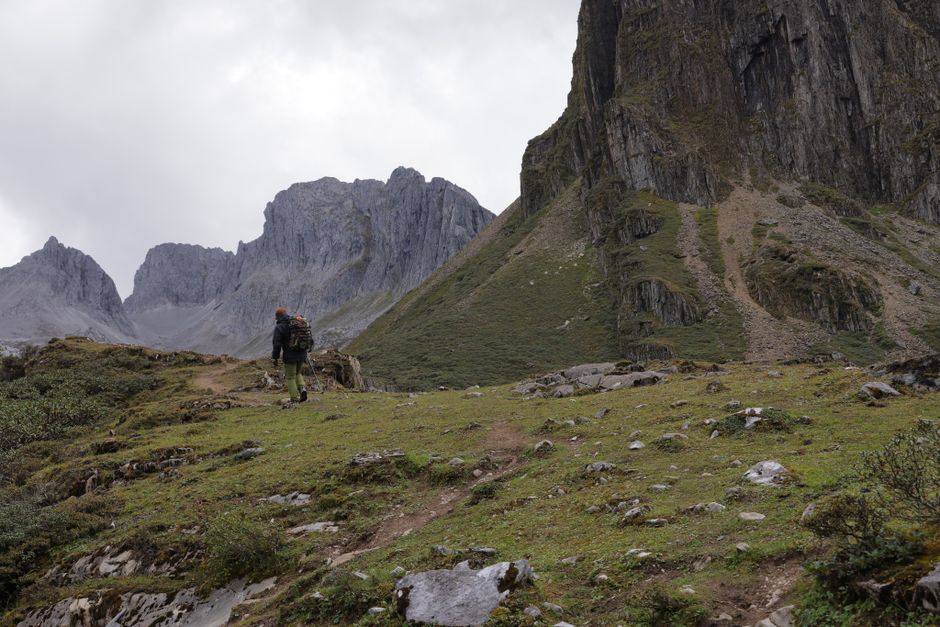
Fly into Punta Arenas, Chile (PUQ) or El Calafate, Argentina (FTE). From Santiago, LATAM and Sky Airline fly direct. Round-trip from Santiago costs $150–$300.
From Punta Arenas, take a bus to Puerto Natales (3 hours, $15). Then another bus to Torres del Paine entrance (2 hours, $20). Book bus tickets online with BusSur or Recoleta.
From El Calafate, take a bus to El Chaltén (3 hours, $25).
Renting a car is possible but expensive ($60/day) and unnecessary. Buses run daily and drop you at the trailhead.
Step 5: Budget Your Trip Realistically
Patagonia is expensive. Here’s a realistic budget for a 6-day W Trek:
- Flights (round-trip from Santiago): $250
- Buses: $80
- Park entrance fee: $50
- Refugio accommodation (4 nights): $200
- Food (dehydrated meals, snacks): $100
- Gear rental (if needed): $100
- Total: $780 per person
If you camp instead of refugios, subtract $150. If you cook your own food instead of buying meals at the refugio, subtract another $100.
Hidden costs to watch for
ATM fees in Puerto Natales are brutal — $5 per withdrawal. Bring cash in Chilean pesos. Credit cards work at most refugios but not at the park entrance.
Step 6: Train Your Body — Don’t Skip This
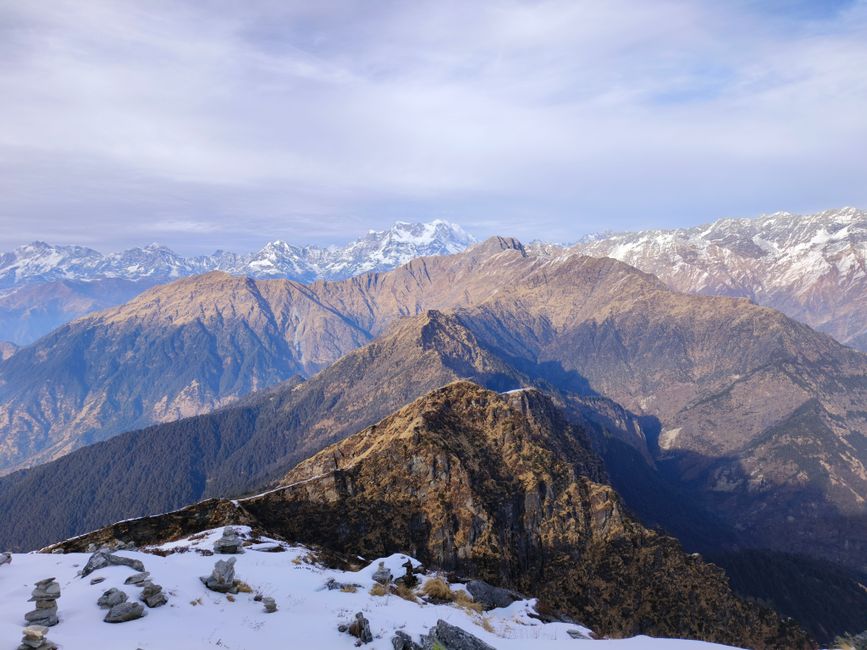
The W Trek has 2,500 feet of elevation gain on day one. The O Circuit hits 4,000 feet. If you’re not used to carrying 30 pounds uphill for 8 hours, you’ll struggle.
Start training 8 weeks before your trip. Do this:
- Hike with a loaded pack (30 lbs) on steep terrain every weekend
- Do stair climbs with the pack — 60 minutes, twice a week
- Strengthen your knees with lunges and squats (3 sets of 15)
- Walk 5 miles daily with your daypack
If you can’t do 10 miles with 2,000 feet of gain in training, do the shorter Fitz Roy trek instead. It’s still stunning but less punishing.
Step 7: Handle the Weather — It Will Try to Kill You
Patagonia’s weather has one rule: expect the worst. Winds hit 70 mph. Rain turns to snow in minutes. Sunburn happens through clouds.
Check Windy.com or Mountain-Forecast.com for Torres del Paine forecasts. But don’t trust them past 48 hours.
Pack a backup plan. If the weather shuts down the Grey Glacier crossing (common in high winds), have a rest day in Puerto Natales. The town has hot springs, good empanadas, and a brewery.
If you’re hiking in November or March, expect 50°F days and 35°F nights. December through February is warmer (60°F days) but busier. Pick shoulder season for fewer crowds and lower prices.
Final recommendation: If you want the best balance of scenery, difficulty, and logistics, book the W Trek for 5 days in late November. Reserve your refugios 6 months out, pack the gear list above, and train with a loaded pack for 8 weeks. That combination gives you the highest chance of a trip you’ll remember for the right reasons.

Bofa Travel Rewards Reddit: Bank of America Travel Rewards: What Reddit Actually Says (And What They Miss)
All Inclusive Resort With Private Pool: All-Inclusive Resort With Private Pool: What You Actually Get for Your Money

8 Best Apps for Solo Travelers to Meet People and Stay Connected
About The Author
