
Kyoto Mid-Range Budget Itinerary: Kyoto on a Mid-Range Budget: A Realistic 7-Day Plan for 2026
Can you spend a week in Kyoto without burning through your savings and still sleep in a private room with a proper shower? Yes, but only if you skip the tourist traps and know exactly where your money goes. This itinerary assumes a budget of roughly ¥12,000–¥15,000 per person per day (about $80–$100 USD at 2026 exchange rates), covering accommodation, food, transit, and entry fees. No capsule hotels, no five-course kaiseki dinners, no guessing.
What Does “Mid-Range” Actually Cost in Kyoto in 2026?
Before you book anything, you need a number. Mid-range in Kyoto means a private room in a guesthouse or a budget business hotel like Super Hotel Kyoto or APA Hotel Kyoto-Ekimae, costing ¥8,000–¥12,000 per night. Dinner at a decent restaurant runs ¥1,500–¥3,000. A temple entry is ¥400–¥800. Local bus fare is ¥230 per ride. Add these up, and the total will surprise you if you haven’t done the math.
Here is the breakdown for one person for seven days:
| Category | Daily Cost (¥) | 7-Day Total (¥) | Notes |
|---|---|---|---|
| Accommodation (private room) | 10,000 | 70,000 | Budget hotel near Kyoto Station or Gion |
| Food (3 meals + snacks) | 3,500 | 24,500 | Conbini breakfast, ramen lunch, izakaya dinner |
| Local transport | 800 | 5,600 | Bus + subway, no JR Pass |
| Temple/shrine entry fees | 1,000 | 7,000 | Average of 1–2 paid sites per day |
| Miscellaneous (drinks, snacks, souvenirs) | 1,500 | 10,500 | Includes a matcha latte or two |
| Total | 16,800 | 117,600 | ~$785 USD at 150 JPY/USD |
The biggest mistake travelers make is underestimating transport costs. Walking is free, but Kyoto’s major attractions are spread out. Relying on taxis for even two rides a day will blow your budget by ¥3,000–¥5,000. A Kyoto City Bus One-Day Pass (¥700) or a Subway One-Day Pass (¥600) is essential on days you visit multiple sites.
Day 1: Arrival and Orientation — Do Not Rush to a Temple
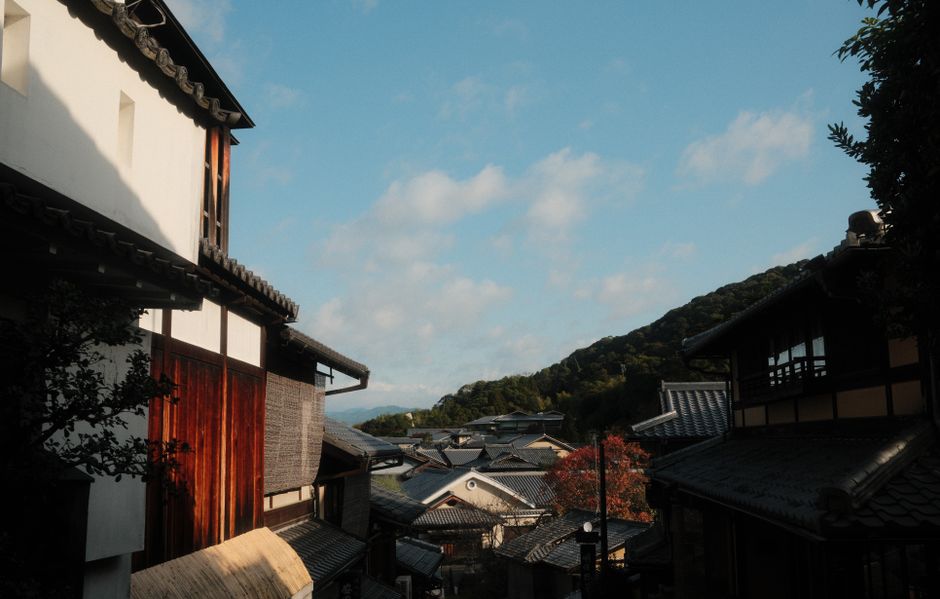
You land at Kansai International Airport (KIX). You take the Haruka express train (¥2,870, 75 minutes) to Kyoto Station. You check into your hotel. Now what? Most itineraries tell you to sprint to Kinkaku-ji. Do not do this. You are tired, the jet lag is real, and the temple closes at 5:00 PM. Instead, spend the afternoon walking the Nishiki Market (free entry, but food costs ¥300–¥1,000 per item) and the Pontocho Alley strip along the Kamo River. These areas are open late, require no ticket, and give you a feel for the city without the pressure of a timed attraction.
Dinner recommendation: Ramen at Ichiran Kyoto Station (¥1,490 for a basic bowl). It is fast, filling, and you control the spice level. Not the best ramen in Kyoto, but the most reliable for a first night when you want zero surprises.
Why the JR Pass Is Probably Not Worth It
The 7-day JR Pass costs ¥47,250 in 2026. If you are only in Kyoto for a week and not traveling to Tokyo or Osaka, do not buy it. The local JR lines in Kyoto (the Sagano Line to Arashiyama, for example) cost ¥240 per ride. A bus pass is cheaper. The only exception is if you plan a day trip to Nara or Osaka — then a single round-trip ticket is still cheaper than the full pass.
Day 2: Fushimi Inari and the Southern Temples — The Early Bird Rule
Fushimi Inari-taisha is open 24 hours and has no entry fee. If you arrive after 9:00 AM, you will be in a human traffic jam. Go at 6:30 AM. The gates are empty, the light is soft, and you can walk the full 4-kilometer loop in about 90 minutes without dodging selfie sticks. By 8:30 AM, you will be at the bottom exit while crowds are pouring in.
From there, walk 15 minutes to Tofuku-ji (entry ¥600). This temple is often skipped because it is not in the guidebook top ten, but the Zen garden and the Tsutenkyo Bridge are worth the fee. It is quieter, cheaper, and more authentic than Kinkaku-ji.
Lunch: Men-ya Inoichi near Tofuku-ji station. A bowl of tsukemen (dipping noodles) costs ¥1,100. Cash only. Expect a 10-minute wait.
Afternoon: Sanjusangen-do (¥600). This hall contains 1,001 life-sized statues of Kannon, the goddess of mercy. No photos allowed inside, which forces you to actually look at them. It is one of the most underrated sites in Kyoto.
Day 3: Arashiyama — The Bamboo Grove Is a 15-Minute Walk
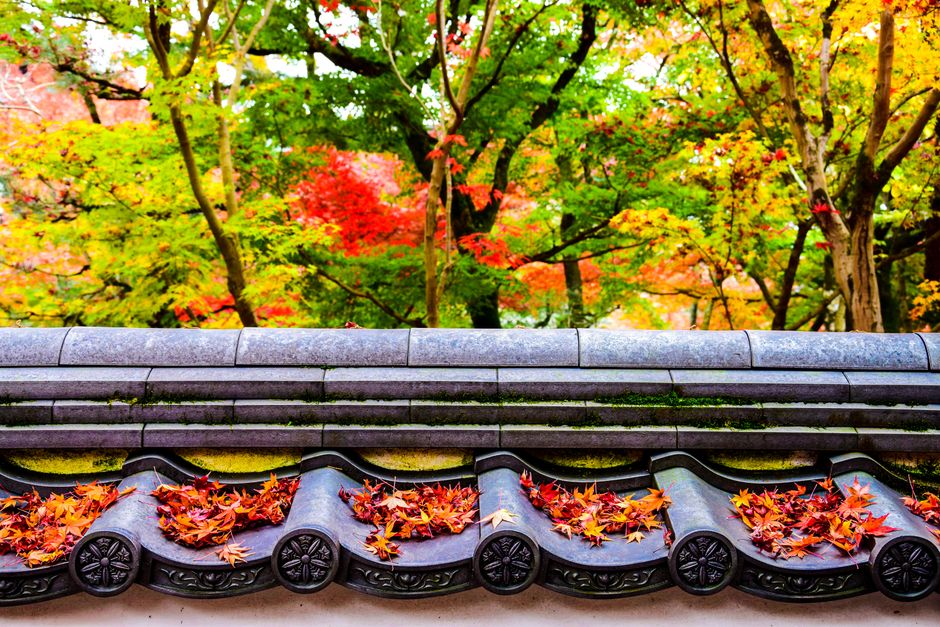
The Arashiyama Bamboo Grove is the most photographed spot in Kyoto and also the most disappointing if you expect a forest. It is a 500-meter path of bamboo stalks. It takes 15 minutes to walk through. The real value of Arashiyama is everything else in the area.
Morning schedule: Arrive at the bamboo grove by 7:30 AM. Walk it once. Then immediately head to Tenryu-ji (entry ¥800). The temple garden is larger and more peaceful than the grove itself. Then walk to the Okochi Sanso Villa (entry ¥1,000, includes matcha and a sweet). This was the home of a famous actor, and the garden views over Kyoto are worth the price.
Lunch: Yoshimura Soba (¥1,300 for soba with tempura). It sits right on the river. In warmer months, request a table on the platform over the water.
Afternoon: Cross the Togetsukyo Bridge and walk to the Iwatayama Monkey Park (entry ¥600). It is a 20-minute uphill hike, but the view from the top is the best in Arashiyama. The monkeys are wild — keep your bag closed and do not stare them down.
Day 4: The Golden Pavilion and the Philosopher’s Path — A Day of Contrasts
Kinkaku-ji (entry ¥500) is the most famous temple in Japan. It is also the most crowded. Arrive at opening (9:00 AM) and you will still share the reflection pond with 200 other people. Accept this. The gold leaf is real, the setting is beautiful, and the entry fee is low. Spend 45 minutes here, then leave.
From Kinkaku-ji, take bus 204 or 205 to Ginkaku-ji (entry ¥500). The Silver Pavilion is the opposite of the Golden Pavilion: understated, dry, and focused on the sand garden. This is the starting point of the Philosopher’s Path, a 2-kilometer walk along a canal lined with cherry trees. In April, it is packed. In October, it is quiet. The walk itself is free.
Lunch: Omen (¥1,500 for udon noodles). Located right on the Philosopher’s Path. The broth is clear, the noodles are handmade, and the pickled vegetables are complimentary.
Afternoon failure mode: Trying to visit Kiyomizu-dera on the same day. It is on the opposite side of the city. You will spend an hour on the bus and arrive exhausted. Do Kiyomizu-dera on Day 5.
Day 5: Kiyomizu-dera, Sannenzaka, and the Geisha Districts
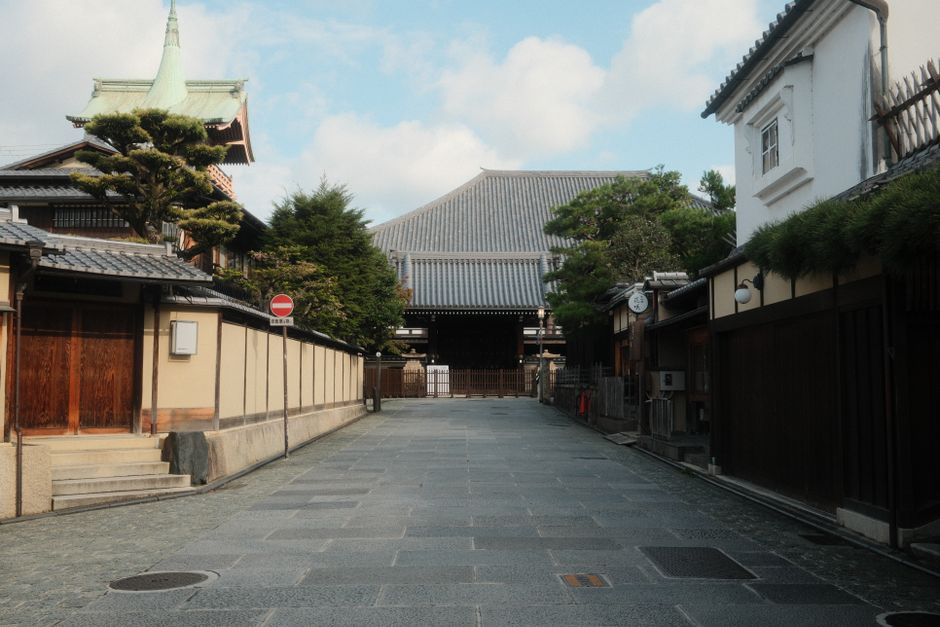
Kiyomizu-dera (entry ¥500) sits on a hillside in eastern Kyoto. The wooden stage is the main attraction, but the Otowa Waterfall below the temple is where the ritual happens. Visitors drink from three streams — each one supposedly grants a different blessing (longevity, love, success). Do not drink from all three. Locals say that is greedy and you will lose the benefits.
Walk down Sannenzaka and Ninenzaka — two preserved streets with wooden buildings. They are free to walk, but shops sell matcha soft serve (¥400) and yatsuhashi (¥600 for a box of six). These streets are also where the rental kimono crowds gather. If you want to wear a kimono for photos, rent one from Okamoto Kimono Rental (¥5,000 for a full day, including dressing and hair). Do not expect to walk more than 2 kilometers in wooden sandals.
Evening: Gion district at dusk. The Hanamikoji Street is the main artery. Geisha (geiko in Kyoto dialect) walk here between 5:30 PM and 7:00 PM on their way to appointments. Do not block their path or grab their sleeve. No photos without permission. If you want a guaranteed sighting, book a dinner at a restaurant that offers geiko entertainment — but that will cost ¥15,000–¥30,000 per person and is not included in this budget.
Day 6: Day Trip to Nara — Is It Worth the Detour?
Nara is 45 minutes from Kyoto Station on the JR Nara Line (¥780 one way). The main draw is Todai-ji (entry ¥800), a temple housing a 15-meter bronze Buddha statue. The deer in Nara Park are free to observe, but the shika senbei (deer crackers) cost ¥200 per stack. The deer will headbutt you if you hold the crackers too long. Keep them in your pocket and feed one cracker at a time.
Is Nara worth it? Yes, if you have not seen a temple of this scale. No, if you are templed-out by Day 6. The honest alternative is Uji, which is closer (20 minutes, ¥240) and has Byodo-in (entry ¥700) and the best matcha in Japan. Uji is less crowded, cheaper, and easier to do in a half-day.
Lunch in Nara: Nakatanidou for mochi-pounding demonstrations (free to watch, ¥150 for a piece of fresh mochi). Then Miyako Sushi for mackerel sushi (¥1,200 for a set).
Day 7: The Hidden Temples and a Final Evening in the City
Most travelers spend their last day shopping and packing. Instead, visit Kodaiji Temple (entry ¥600) near Gion. It has a bamboo grove that rivals Arashiyama’s but with 90% fewer people. The Entoku-in sub-temple has a rock garden and a tea house where you can sit for free after paying the main entry.
Afternoon: Kyoto International Manga Museum (entry ¥900). Even if you do not read manga, the building itself — a former elementary school — is worth seeing. The walls are lined with 50,000 volumes you can pull off the shelf and read. It is a quiet, indoor activity for when the jet lag finally catches up.
Final dinner: Kikunoi (¥5,000 for the lunch kaiseki set, but dinner is ¥10,000+). If that is over your budget, Gion Karyo offers a ¥4,000 dinner course that includes eight small dishes. Book three days in advance. No walk-ins.
The common mistake on the last day: Trying to squeeze in Nijo Castle (entry ¥1,300) and the Imperial Palace (free, but requires a guided tour in English at 10:00 AM or 2:00 PM). Both are worth seeing, but they are on opposite sides of the city. Pick one.
Three Mistakes That Will Wreck Your Budget
1. Buying a JR Pass for Kyoto-only travel. As stated earlier, it is ¥47,250. If you are not going to Osaka, Hiroshima, or Tokyo, you will waste ¥30,000+.
2. Eating near temples. Restaurants within 200 meters of Kinkaku-ji or Kiyomizu-dera charge 30–50% more for the same bowl of soba. Walk 10 minutes away from the attraction and the prices drop.
3. Assuming you can pay with credit cards everywhere. Nishiki Market vendors, small ramen shops, and bus fare (unless you have a rechargeable Suica or Icoca card) are cash-only. Carry at least ¥10,000 in cash at all times. ATMs at 7-Eleven and Japan Post work with international cards.
The question this itinerary answers is not “can you see everything in Kyoto?” — you cannot in seven days. The question is whether you can see the right things without feeling cheated at the end of the trip. If you stick to the schedule above, you will spend roughly ¥120,000, eat well, sleep in a private room, and leave without the sense that you missed the point. That is the real value of a mid-range budget: not the cheapest option, but the one where the trade-offs are clear and intentional.
About The Author
