
Backpacking Australia: The Route, Budget, and Gear That Actually Work
You have a working holiday visa, a vague idea about seeing the coast, and a backpack that probably weighs too much already. That describes 90% of people who land in Sydney with a one-way ticket. The difference between a trip that works and one that burns through savings in six weeks comes down to three things: a route that doesn’t fight geography, a daily budget that’s honest, and gear that survives the climate shifts between Melbourne and Cairns.
This guide skips the romantic travelogue. It covers the actual numbers, the specific bus routes, and the gear failures you will face if you pack wrong.
Why Most Backpacking Itineraries Fail (and How to Fix Yours)
The most common mistake is trying to see everything. Australia is roughly the size of the contiguous United States, with a population density lower than Mongolia. Driving from Sydney to Perth takes four solid days of nothing but highway. You cannot do the whole country in three months without spending half that time on a bus.
The fix is simple: pick one coast and commit. East coast is the classic route for a reason—hostels every 50km, reliable bus networks, and a climate that doesn’t freeze you out in winter. West coast is wilder, cheaper, and requires a car. The Red Centre (Uluru, Alice Springs) is its own trip entirely.
For a first-time backpacker on a 12-month working holiday visa, the east coast from Melbourne to Cairns is the most efficient use of time and money. You can add Tasmania or the Red Centre as a detour, but don’t try to chain all three into one continuous loop. The distances punish you.
The 90-Day East Coast Spine
Melbourne (5 days) → Great Ocean Road (3 days, tour or rental) → Sydney (7 days) → Byron Bay (4 days) → Brisbane (3 days) → Fraser Island (3 days) → Airlie Beach / Whitsundays (5 days) → Cairns (7 days). That’s roughly 37 days of moving, with travel days between each stop. Budget 45-50 days total to account for rest days and bad weather. This route uses Greyhound Australia buses or the backpacker-specific bus passes from Premier Motor Service. A Greyhound hop-on-hop-off pass for this full stretch runs about $550 AUD (2026 pricing).
If you have less than 60 days, drop either the Great Ocean Road detour or Fraser Island. Both are excellent. Neither is essential for a first trip.
Backpacking Australia Daily Budget: The Real Numbers
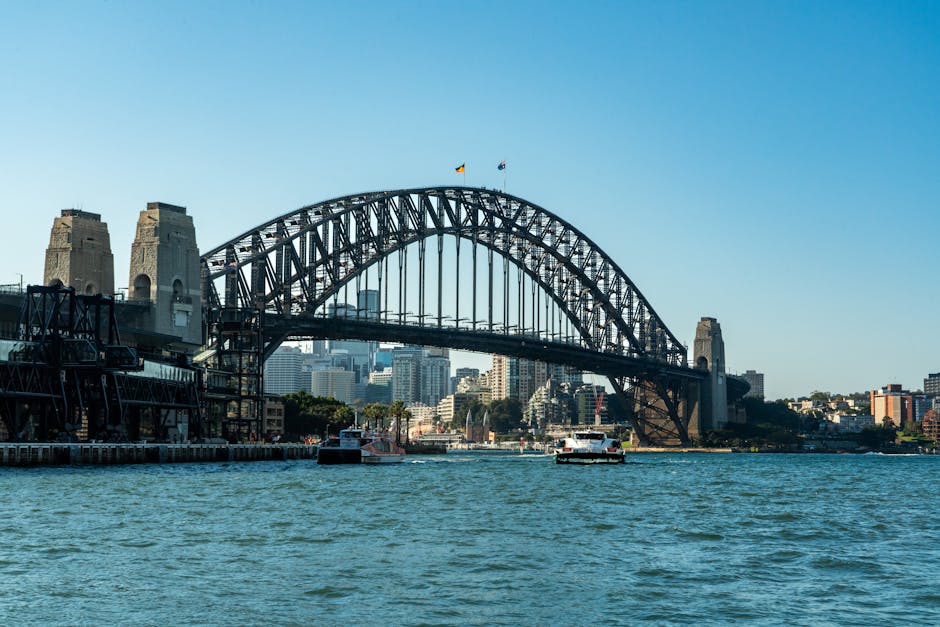
Hostel dorm beds average $35-50 AUD per night in cities, $25-35 in smaller towns. A bed in a 4-6 person dorm in Sydney’s CBD runs $45-55. The same bed in Byron Bay is $35-45. In Cairns, you can find $25-30 dorms if you book a week ahead.
Food costs are where most budgets break. A meal at a pub costs $20-30. A basic sandwich from a café is $12-16. The smart play is Woolworths or Coles grocery stores. A week of food (pasta, bread, peanut butter, eggs, fruit, canned beans) runs $60-80 AUD. That’s $9-12 per day. If you eat out once a day and cook the other two meals, your daily food cost lands around $25-30.
Transport is the second biggest cost. A Greyhound 60-day pass covering the east coast is $550. A one-way flight from Sydney to Cairns is $150-250 if booked two weeks out. Domestic flights within Australia are not cheap. Budget $100-150 per week for transport if you’re moving every 4-5 days.
| Category | Budget (per day) | Mid-Range (per day) |
|---|---|---|
| Accommodation (dorm) | $30 | $45 |
| Food (cook 2 meals) | $15 | $25 |
| Transport (weekly avg) | $15 | $25 |
| Activities (tours, parks) | $10 | $30 |
| Misc (toiletries, laundry) | $5 | $10 |
| Total per day | $75 | $135 |
At $75/day, a 90-day trip costs $6,750 AUD. At $135/day, it’s $12,150. Most working holiday makers budget $8,000-10,000 AUD for their first 3-4 months before finding farm work or hospitality jobs. If you arrive with less than $5,000 AUD, you will be stressed within two weeks.
Gear That Survives Australia’s Climate Swings
Australia does not have one climate. Melbourne swings from 10°C to 35°C in the same week. Cairns is 28°C and 90% humidity year-round. The gear that works in one place fails in the other.
The single most important item is your sleeping bag liner. Do not bring a heavy sleeping bag. Hostels provide blankets. What they don’t provide is a layer that doesn’t smell after three nights. A Sea to Summit Thermolite Reactor liner ($60 AUD, 230g) adds 8°C warmth in winter and works alone in summer. It packs smaller than a water bottle. If you bring a sleeping bag, make it a summer-weight down bag rated to 10°C (like the Sea to Summit Spark SPII, $350 AUD, 400g). Anything heavier is wasted space.
Footwear is the second most common failure. Do not bring heavy hiking boots unless you are doing the Overland Track in Tasmania. For the east coast, you need two pairs: a pair of trail runners (like the Salomon X Ultra 4, $200 AUD) for day hikes and city walking, and a pair of flip-flops or sandals for hostels and beaches. That’s it. One pair of boots plus one pair of sandals. Anything more is extra weight you will resent.
Your backpack should be 40-50 liters. No larger. A 65L pack encourages overpacking and will not fit in hostel lockers. The Osprey Farpoint 40 ($220 AUD) is the most common backpack on the east coast for a reason. It opens like a suitcase and fits under bus seats.
Three Items Most Backpackers Forget
A dry bag for electronics. Humidity in Cairns and rain on the Great Ocean Road will kill a phone that lives in your pocket. A 5L Sea to Summit dry bag ($25 AUD) is cheap insurance.
A universal sink plug. Many hostel kitchens and bathrooms lack stoppers. A silicone universal plug ($5 AUD) lets you wash clothes in any sink. This saves $10-15 per week on laundry.
A reusable water bottle with a filter. Tap water is safe in cities, but the water in some rural hostels tastes like chlorine. A Brita Bottle ($30 AUD) or a Grayl Geopress ($80 AUD) removes the taste and lets you fill from any tap.
The Working Holiday Reality Check

The working holiday visa (subclass 417) lets you work for up to six months with one employer. Most backpackers do farm work in Queensland or hospitality in Sydney and Melbourne. The minimum wage in Australia is $24.10 AUD per hour (2026). Farm work pays $25-30 per hour for fruit picking, but it’s seasonal and physically brutal. Hospitality pays $25-28 but requires experience and a working visa that allows more than 40 hours per fortnight during school terms.
The key mistake: assuming you’ll find work immediately. It takes 2-4 weeks to get a Tax File Number (TFN), open a bank account, and land a job. Budget for those weeks without income. The best strategy is to arrive in a city with a strong hospitality scene (Melbourne or Sydney) and start applying before you land. Use Seek.com.au and Gumtree. Avoid cash-in-hand jobs—they pay less and offer no protection.
If you want to extend your visa beyond 12 months, you need to do 88 days of specified work in regional Australia. Farm work, mining, or tourism in remote areas qualifies. Plan this early. The easiest option is fruit picking in the Riverina region (NSW) or around Cairns. The season runs June to November for citrus and stone fruit, December to March for mangoes and grapes.
When a Bus Pass Beats Flying and Vice Versa
The Greyhound hop-on-hop-off pass for the east coast costs $550 AUD for 60 days of unlimited travel between Melbourne and Cairns. That’s roughly $9 per day. A single flight from Sydney to Cairns costs $150-250. If you’re covering the whole coast in one direction, the bus pass is cheaper and lets you stop at small towns like Coffs Harbour or Agnes Water that flights skip.
But the bus is slow. Sydney to Byron Bay takes 12 hours. Byron to Brisbane takes 4 hours. Brisbane to Airlie Beach takes 18 hours (overnight). If you have less than 30 days, fly between major hubs. A flight from Sydney to Cairns saves 3 full days of bus time.
For the west coast or Red Centre, a bus pass doesn’t work. Distances are too long and stops too few. You need a car. Rental cars from Perth to Broome cost $30-50 per day for a basic hatchback (like a Toyota Yaris). Split between 3-4 people, it’s cheaper than bus passes and gives you freedom to camp. Campervan rentals (like Britz or Apollo) cost $60-100 per day but include accommodation. Book campervans in advance for the dry season (May-October) in the north.
Health and Safety: What Actually Goes Wrong
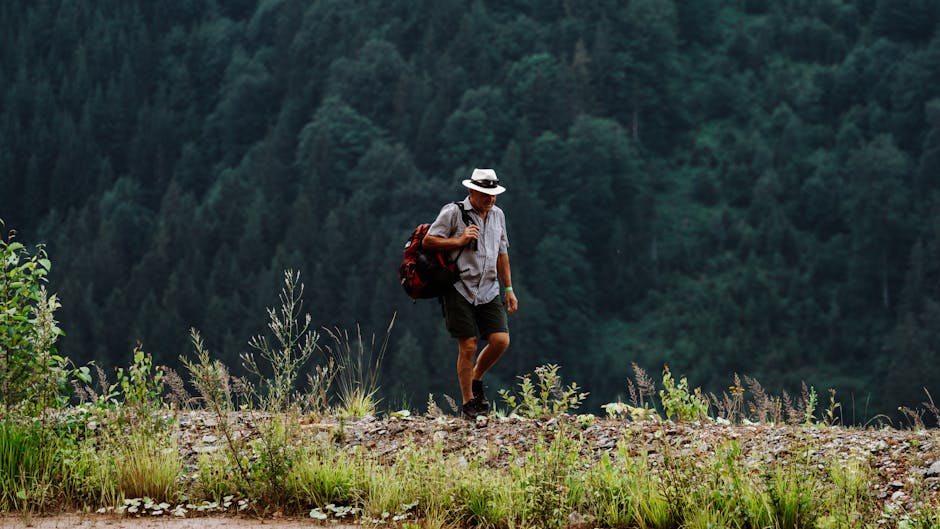
Sunburn is the most common injury. The UV index in Australia regularly hits 11-14 in summer. That’s extreme. A 50+ SPF sunscreen applied every two hours is not optional. The Cancer Council SPF 50+ sunscreen ($12 AUD for 200ml) is the standard. Zinc on your nose and ears is smart.
Dehydration is the second most common issue. Tap water is safe in all cities, but in the outback, you need to carry 4-5 liters per person per day. A 2L CamelBak bladder ($40 AUD) plus a 1L Nalgene bottle ($15 AUD) is the minimum for day hikes in the Red Centre.
Snakes and spiders are real but overhyped. You will not see a snake on the east coast unless you go bushwalking in long grass. If you do, step back and wait. They move away. The only genuinely dangerous animal is the saltwater crocodile in northern Queensland. Do not swim in rivers north of the Daintree River. The beaches are patrolled for jellyfish (box jellyfish season is November to May in the north). Wear a stinger suit if swimming in those months.
Medical care is excellent but not free for visitors. Travel insurance is mandatory. A basic policy covering medical evacuation and theft costs $50-100 AUD per month. World Nomads and Cover-More are the most common. Do not skip this. A hospital visit for dehydration or a broken ankle costs $500-2000 AUD without insurance.
The single most important takeaway: plan your route around distances, not attractions, and your budget around hostels and grocery stores, not tours and restaurants.
About The Author
