
Winter in Vienna 2026: Cafés, Markets and Concerts
January 7 is the reset point for winter in Vienna: most Christmas stalls have gone, the streets feel calmer, and the city’s best indoor traditions become easier to enjoy. Book Vienna for January if you want grand cafés, museums, classical music and short queues more than a full Christmas-market atmosphere.
Which Vienna markets remain open after Christmas?
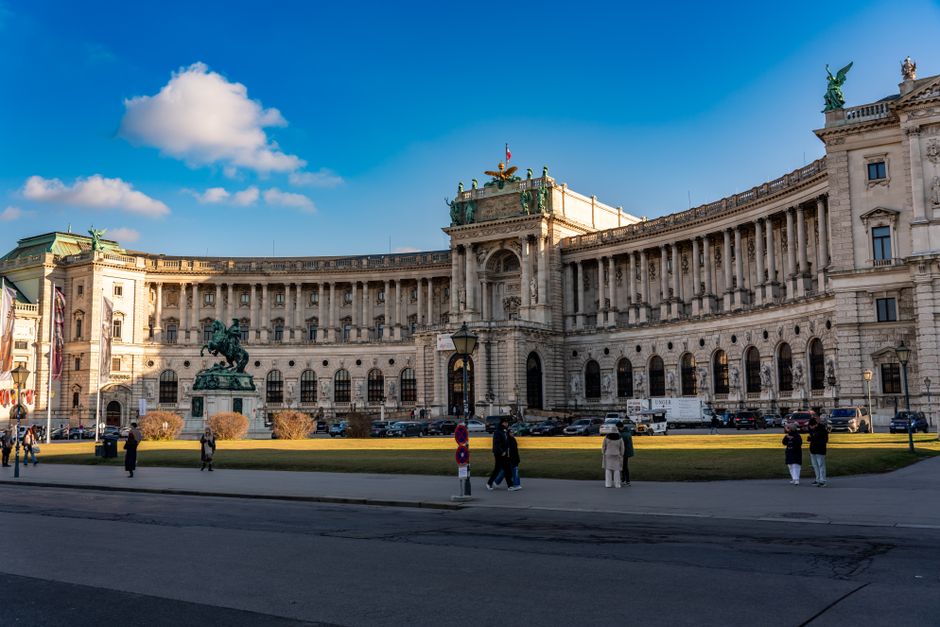
The phrase Christmas-market aftermath can be misleading. That gives visitors a final festive window, not a whole month of Christmas stalls.
For a January arrival, Schönbrunn is the strongest market choice because the palace gives the visit a second purpose after the stalls close. Riesenradplatz works better for families and travelers who want noise, food and rides. Rathausplatz is the best pick for skating, but it is an ice-rink visit rather than a traditional shopping market.
Do not build a January trip around Rathausplatz huts, Belvedere stalls or the market at Stephansplatz. They may be part of December imagery, yet they normally finish before the new year or shortly after Christmas. After January 6, shift your expectations: Vienna’s winter identity comes from interiors, music, museums, balls and ordinary neighborhood life.
Which Viennese coffee houses are worth the wait?
Viennese coffee houses exist because winter walking is only half the city experience. They offer heat, time and a place to sit without ordering a full meal every hour. The best visit is not a rushed coffee stop. It is 60 to 90 minutes with a newspaper, cake, soup or small breakfast, followed by another indoor sight nearby.
Café Central is the best first visit
For a first-time visitor, choose Café Central in Palais Ferstel. Its grand interior delivers the classic image most people expect, but the food prices also make it useful on a cold afternoon. The published menu lists goulash soup at €8.50, vegan potato soup with porcini at €7.80, a Café Central sandwich at €12.50 and Wiener schnitzel at €28.00. Those prices place it above a casual bakery but below a formal evening meal.
Go shortly after opening or outside the lunch rush. A long queue is the main failure mode. Do not spend an hour outside for one photograph when a nearby café can give you the same basic Viennese coffee-house ritual with a shorter wait. Café Central wins for architecture and atmosphere, not for the cheapest coffee.
Café Sperl is the better choice for lingering
Café Sperl in the sixth district is the stronger pick for travelers who want a slower, less polished room. Its billiard tables, old furnishings and relaxed pace feel closer to a neighborhood institution than a landmark attraction. Choose it when you want to read, write postcards or recover from several hours of walking. The tradeoff is location: it does not sit on the most efficient route between the Hofburg and St. Stephen’s Cathedral.
Café Jelinek and Café Museum serve different moods
Café Jelinek is the practical refuge after a walk through Mariahilf, with a worn-in atmosphere and a good fit for an unplanned stop. Café Museum, close to Karlsplatz and the Secession, is the better choice when design and central location matter more than a bohemian room. Demel is the pick for a polished pastry break, though its fame and central setting can mean more pressure and higher dessert spending.
My verdict is specific: book Café Central for the first iconic experience, Café Sperl for the longest sit-down, Café Jelinek for a flexible neighborhood stop and Demel for pastry. Treat the coffee house as a destination, not a vending machine. Order a Viennese coffee by its local name, accept the glass of water, and let the table earn its place in the day.
How should you plan a cold January day in Vienna?
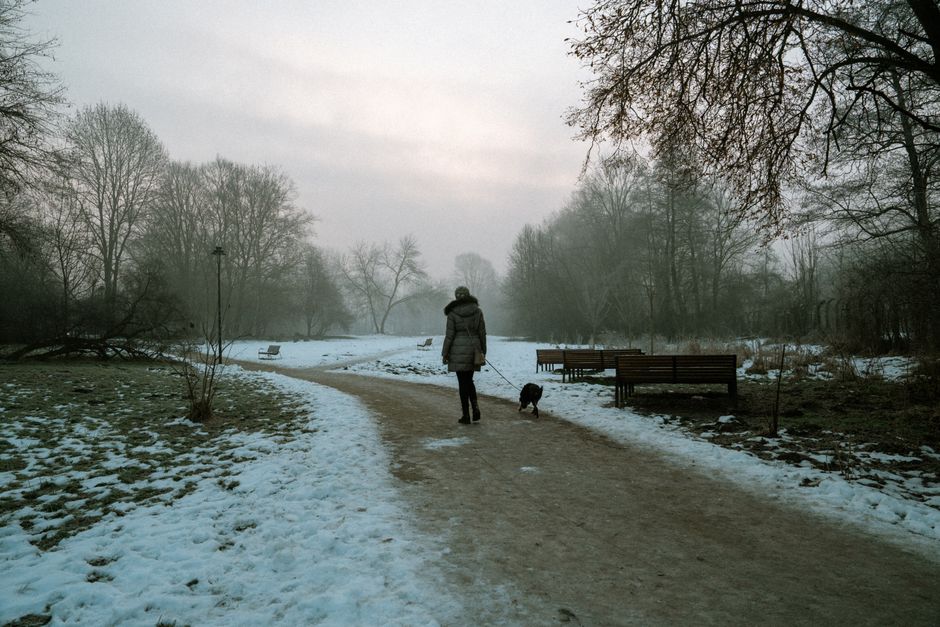
The best January itinerary has one outdoor anchor, one warm cultural block and one evening plan. This structure protects the trip from cold rain and keeps the city from becoming a race between landmarks.
- Start outdoors before noon. Use the clearest part of the day for a palace courtyard, a Ringstrasse walk or a market that remains open through January 6. Keep the route compact. A 30-minute walk between stops is pleasant; a 90-minute exposed route can drain the rest of the day.
- Schedule a seated break before lunch. Coffee houses become crowded when everyone seeks shelter at the same time. Arrive before noon or after the main lunch period. Give yourself at least an hour rather than trying to fit coffee between two timed admissions.
- Put the longest indoor visit in the afternoon. Museums, historic interiors and exhibitions are more useful after the light fades. Check the weekly closing day before fixing the route. A closed museum can leave you with an expensive taxi ride and a cold replacement plan.
- Dress for wet pavement, not a postcard. Wear shoes with grip, socks that stay warm when damp, a coat that blocks wind and thin layers that can come off indoors. A compact umbrella helps, but a hood is often easier on crowded streets.
- Reserve the evening before dinner. Concert doors, cloakrooms and public transport take time. Leave a 45-minute buffer between dinner and a performance. If you plan to skate or attend a late museum event, keep the next morning light.
The mistake to avoid is stacking too many famous stops into one freezing day. Vienna looks compact on a map, but grand interiors consume time, queues slow down in winter clothing, and a warm room can make you lose track of the evening. Three meaningful stops beat seven rushed photographs.
Which January concerts should you book?
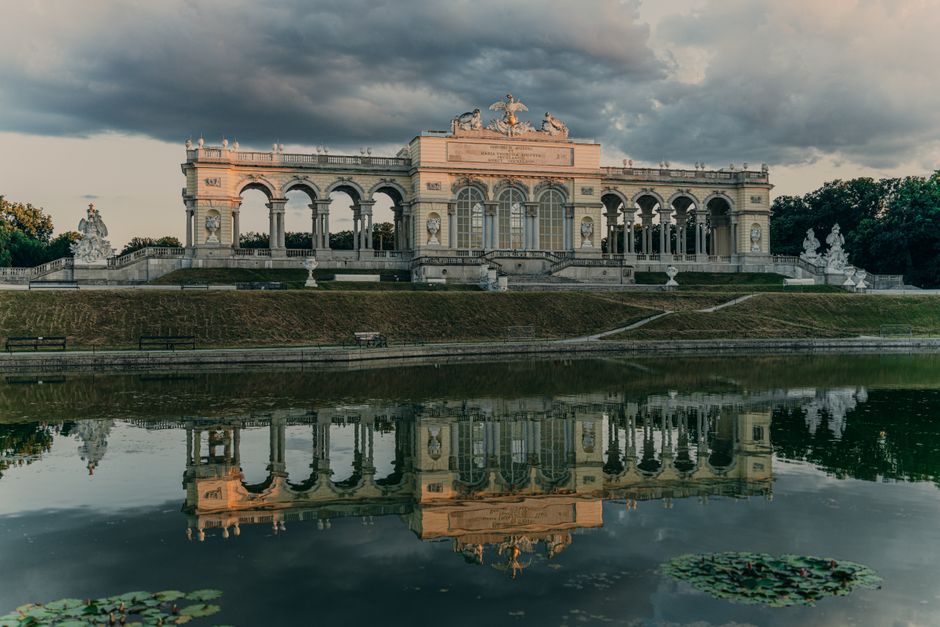
Is the Vienna Philharmonic New Year’s Concert realistic?
Only as a lottery plan. The Vienna Philharmonic’s January 1 concert at the Musikverein is the city’s most famous event, and tickets are allocated through an annual lottery because demand far exceeds the seats available. Do not build an entire holiday around getting in. Enter the official lottery when applications open, then keep a normal January concert as your real plan.
Is Musikverein or Wiener Konzerthaus better?
Choose Musikverein for the Golden Hall and the strongest sense of musical history. The official box office normally opens in-house concert sales to members about two months before the performance, with general sales starting one week later. Exact prices vary by concert and seating section, so the useful booking rule is to check the programme early rather than trust a third-party reseller.
Choose Wiener Konzerthaus for a broader programme and clearer price bands. The hall also advertises a €20 U30 option for many of its own events when seats remain 30 minutes before the performance. For travelers under 30, that is the strongest value in this comparison.
What is the best concert value for a first visit?
For a first classical concert, take the best programme at the most convenient hall instead of paying extra for a famous name alone. The Wiener Konzerthaus is my value winner because its price spread lets you buy a serious orchestral experience without committing to premium seats.
Buy directly from Musikverein or Wiener Konzerthaus, check the running time and dress guidance, and avoid unofficial sellers promising last-minute access to the New Year’s Concert. Vienna’s concert calendar keeps expanding beyond holiday spectacle: January now offers orchestras, chamber music, opera and new formats, giving winter visitors a richer choice after the Christmas lights come down.
Rome vs Florence: Which Italian City Suits Solo Travellers?

Lisbon in Spring: A March Long Weekend Itinerary

Travel Europe Under $50 A Day: How to Travel Europe for Under $50 a Day: A Practical Guide
About The Author
