
Adventure Sports In New Zealand: 6 New Zealand Adventure Sports Worth Every Dollar
When AJ Hackett opened the world’s first commercial bungy jump at Kawarau Bridge in 1988, New Zealand accidentally became the adventure capital of the world. Thirty-seven years later, Queenstown alone hosts hundreds of licensed adventure operators serving millions of visitors annually — and the quality gap between operators is wider than most guides acknowledge.
These six activities earned their place on this list by delivering something specific: a distinct physical sensation, a verifiable safety record, and a price that holds up against international alternatives. One well-known activity at the end doesn’t make the cut — and knowing which one matters as much as knowing what to book.
All Six Activities Compared: Cost, Duration, and Difficulty
Most people arrive in Queenstown with two days and a vague plan to “do adventure stuff.” This table is the planning tool that trip should start with.
| Activity | Best Location | Operator | Price (NZD) | Active Duration | Difficulty | Best Season |
|---|---|---|---|---|---|---|
| Bungy Jumping | Queenstown | AJ Hackett | $175–$275 | 5–8.5 seconds | Medium | Year-round |
| Skydiving | Queenstown / Taupo | NZONE / Skydive Taupo | $299–$399 | ~60 sec freefall | Low (tandem) | Oct–Apr |
| White-water Rafting | Queenstown (Shotover) | Queenstown Rafting | $199 | 3–4 hours | Medium–High | Sep–May |
| Black Water Rafting | Waitomo | Waitomo Adventures | $130–$220 | 3–5 hours | Medium | Year-round |
| Jet Boating | Queenstown (Shotover) | Shotover Jet | $169 | 25 minutes | Low | Year-round |
| Canyon Swing | Queenstown | Bungy Queenstown | $199–$249 | ~90 minutes | Medium | Year-round |
One pattern jumps out immediately: the shorter the active experience, the higher the price per minute. AJ Hackett’s Nevis platform cost over NZD $5 million to install above the gorge. That infrastructure cost gets distributed across every booking. It’s not arbitrary pricing.
Bungy Jumping: The Kawarau vs. Nevis Decision
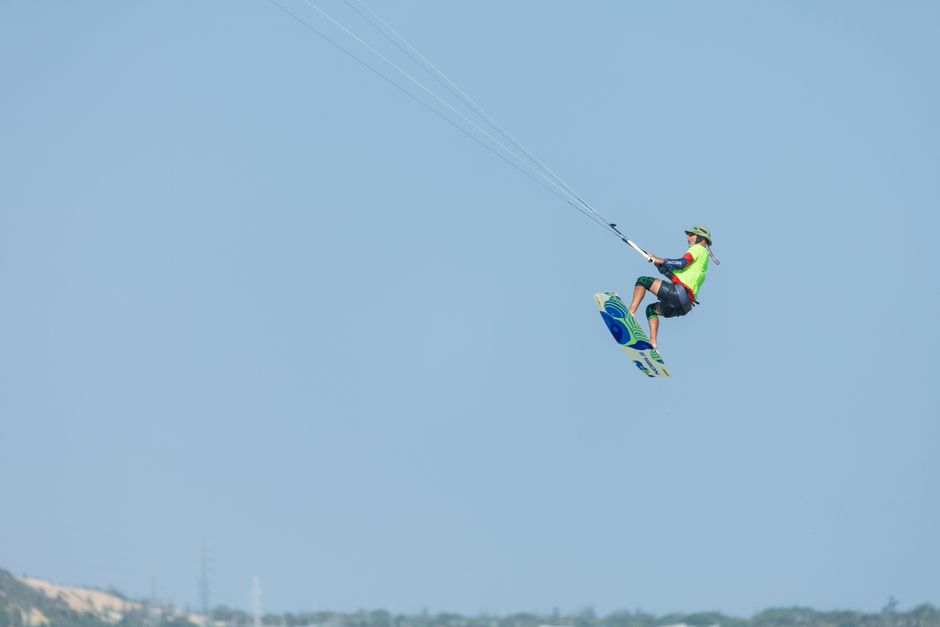
AJ Hackett runs three jumps in Queenstown — Kawarau Bridge (43m), the Ledge (47m), and Nevis (134m). Most guides list all three without explaining why the distinction matters. Here’s the actual breakdown.
Kawarau Bridge ($175): The Original
You jump from a historic suspension bridge 43 meters above a turquoise river, with a spectator platform of onlookers watching from the canyon wall. The setup is deliberately theatrical. Freefall lasts about 5 seconds. Kawarau is the right choice if you’ve never done a bungy and want the crowd atmosphere and iconic river setting. The water-dip option — where you touch the surface of the Kawarau River at the bottom — is available on request during harness fitting.
Nevis ($275): For People Who Want to Actually Scare Themselves
The Nevis is a different category entirely. You’re suspended in a cable car pod 134 meters above a gorge, and the scale of the drop doesn’t register until you’re standing at the edge. Freefall lasts 8.5 seconds — nearly double Kawarau. The remote location requires a 4WD shuttle from Queenstown (included in the price but adds 45 minutes each way), which strips away the crowd atmosphere and leaves you with nothing but the drop and the canyon.
If you’ve done a bungy before and felt underwhelmed, the Nevis is the upgrade worth paying for. If it’s your first time, Kawarau offers a more grounded entry point — the Nevis carries a psychological weight that benefits from having a reference experience.
Weight Limits, Health Conditions, and What to Read Before You Arrive
AJ Hackett’s solo weight range runs from 35kg to 230kg. Disqualifying conditions include pregnancy, recent bone fractures, uncontrolled high blood pressure, and certain cardiac and neurological diagnoses. These exclusions are listed in their booking terms. Read them before you pay the deposit — not after you’ve taken the shuttle to the platform.
Video packages run $50–$80 extra. Worth buying. The 8.5-second Nevis freefall is genuinely difficult to describe to anyone who hasn’t done it, and the footage is the only credible proxy.
Skydiving: The Views Justify the Price Tag
Tandem skydiving mechanics are identical worldwide. What varies is what you’re falling toward.
NZONE Skydive in Queenstown puts you above the Remarkables mountain range and Lake Wakatipu. The 15,000 ft option ($399) gives roughly 60 seconds of freefall before a 5-minute canopy descent with the lake directly below. Skydive Taupo ($299 at 15,000 ft) drops you toward Lake Taupo — at 616 square kilometers, it looks like an open ocean from altitude. Both deliver the same freefall physics. The difference is purely the backdrop.
Skydiving is also the activity most frequently cancelled due to cloud cover. Book it early in your New Zealand trip with schedule flexibility on either side — not on day five of a six-day itinerary when you’ve got a flight home the next morning.
White-water Rafting vs. Black Water Rafting: Two Different Kinds of Fear
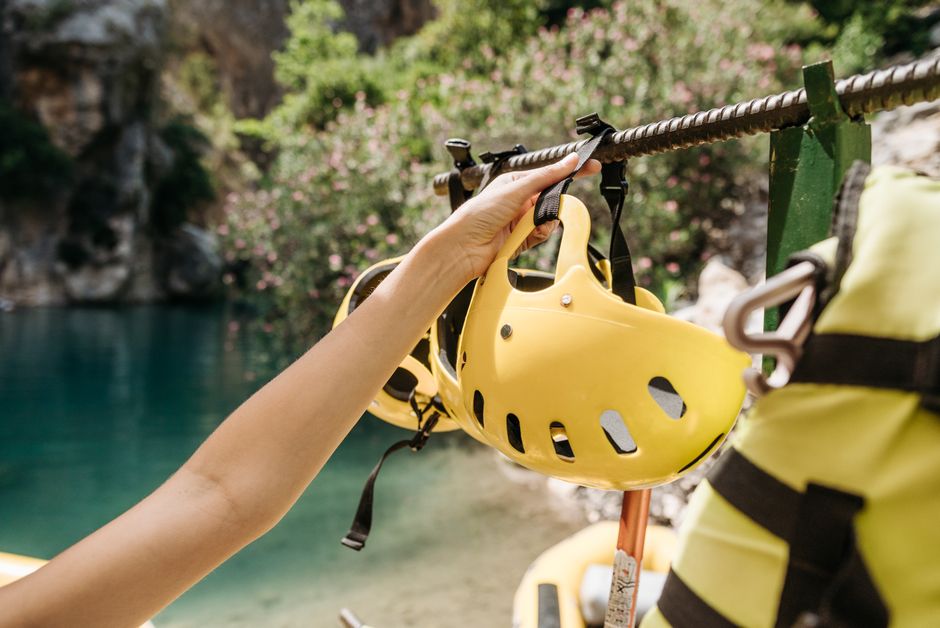
Which delivers the bigger adrenaline hit?
Neither is objectively better — they trigger different physical responses. Shotover River rafting with Queenstown Rafting ($199, 3–4 hours) is about physical chaos: Grade 3–5 rapids, the complete darkness of the 170-meter Oxenbridge Tunnel, and cold Queenstown water in your face for most of the run. You’re paddling actively. Your body is working the whole time.
Black water rafting at Waitomo with Waitomo Adventures is psychological. You float through cave systems lit only by bioluminescent glowworms, navigate underground waterfalls, and jump backward off ledges into black pools below. The Black Labyrinth ($130, 3 hours) is the accessible version. The Black Abyss ($220, 5 hours) adds a 35-meter abseil down into the cave entrance and a flying fox through the darkness.
What fitness level do you actually need?
Shotover rafting: moderate. Active paddling required throughout, and the Oxenbridge Tunnel section demands comfort with confined spaces and low light. If enclosed dark spaces trigger panic, that’s worth knowing before you’re already inside the canyon.
Black water rafting: low to moderate. The Labyrinth involves walking, floating on an inner tube, and short backward jumps off small ledges into pools. Physical fitness is not the barrier. Claustrophobia is.
Can you realistically do both on one trip?
Yes — but not on the same day. Waitomo is on the North Island, roughly 4 hours north of Auckland. Most South Island itineraries centre on Queenstown. Plan Waitomo as a standalone stop between Auckland and Rotorua, and handle Queenstown separately on the South Island leg. Combining them in 24 hours means a lot of driving and not enough time with either.
Jet Boating and Canyon Swinging: High Impact, No Fitness Needed
- Shotover Jet ($169, 25 minutes): The jet boats reach 85 km/h through rock canyon walls with clearances that look impossible from the passenger seat, followed by 360-degree spins in the open river. The driver handles everything — you hold on. Runs year-round, every 20 minutes from the Shotover Canyon wharf. Minimum age is 3 years. This is also the activity that works when your group includes someone who can’t or won’t do the others.
- Canyon Swing by Bungy Queenstown ($199–$249, ~90 minutes): Not a bungy. You’re released 109 meters above the Shotover Canyon floor in freefall, then the cord converts it to a pendulum arc across the gorge. The differentiator: you choose your launch position — sitting forward, facing backward, standing on the platform edge, or suspended horizontally. Most bookings include 2–3 launches. The psychological challenge here differs from bungy because you can see the canyon floor clearly for the entire setup, not just the moment of the jump.
- Ziplining with Ziptrek Ecotours ($149–$199, 3 hours): Less about terror, more about the setting. Lines run through native beech forest above Queenstown with Lake Wakatipu visible below. The Kea 4-Line tour ($149) is the standard run; the Moa 6-Line ($199) adds two more lines and a longer guided forest section. If you’re looking for an activity that delivers views over adrenaline, this is the appropriate call.
Four Planning Mistakes That Cost Real Money
- Booking weather-dependent activities with no buffer days. Skydiving gets cancelled regularly in Queenstown due to cloud cover. NZONE and Skydive Taupo both offer rebooking options, but availability during peak season is not guaranteed. Give skydiving the most flexible slot in your itinerary, not the tightest.
- Assuming the cheaper bungy is the right starting point. The 5-second Kawarau freefall leaves some first-timers wanting more. If your budget extends to $275, book the Nevis directly rather than doing Kawarau first and paying for an upgrade later. You’ll spend the same amount either way — just not across two separate bookings.
- Buying travel insurance that excludes adventure sports. Standard travel policies typically exclude bungy jumping, skydiving, and white-water rafting by default. World Nomads and SafetyWing both offer adventure sport coverage as part of their standard plans. Confirm your exclusions before you leave home, not after an incident at the platform.
- Skipping the health declaration forms until the morning of. Every operator issues pre-activity health forms covering cardiac conditions, recent surgeries, pregnancy, and neurological diagnoses. These are disqualifying conditions, not suggestions. Read them at the time of booking — not when you’re already harnessed up and being turned away.
Which Activity to Book First
Book the Nevis bungy with AJ Hackett if you’re doing one thing in New Zealand. The combination of height, freefall duration, and the isolation of the gorge setting makes it the most technically impressive single experience available in Queenstown. The video package is worth adding.
For a full week on the South Island: start with Shotover Jet on day one (low commitment, runs year-round), schedule white-water rafting mid-week when you’re comfortable with the cold and the pace, and leave bungy for when you’ve mentally settled in. Canyon Swing works well as a follow-up to bungy — different enough to justify the separate booking.
One well-known activity that doesn’t earn a place on this list: Zorbing. Rolling downhill inside a plastic sphere was genuinely novel when Outdoor Pursuits Centre Rotorua invented it in 1994. At $45–$70 for a 60-second experience in 2026, the concept hasn’t evolved enough to justify the cost when the six activities above cost less per hour and deliver substantially more.
Hotel in Queenstown
Backpacking Australia: The Route, Budget, and Gear That Actually Work
New Zealand North Island Itinerary
About The Author
